Historic Azteca World Cup Clash.
England tackles Mexico in World Cup last-16 match, facing Azteca's altitude and Maradona's legacy.
Anonymous
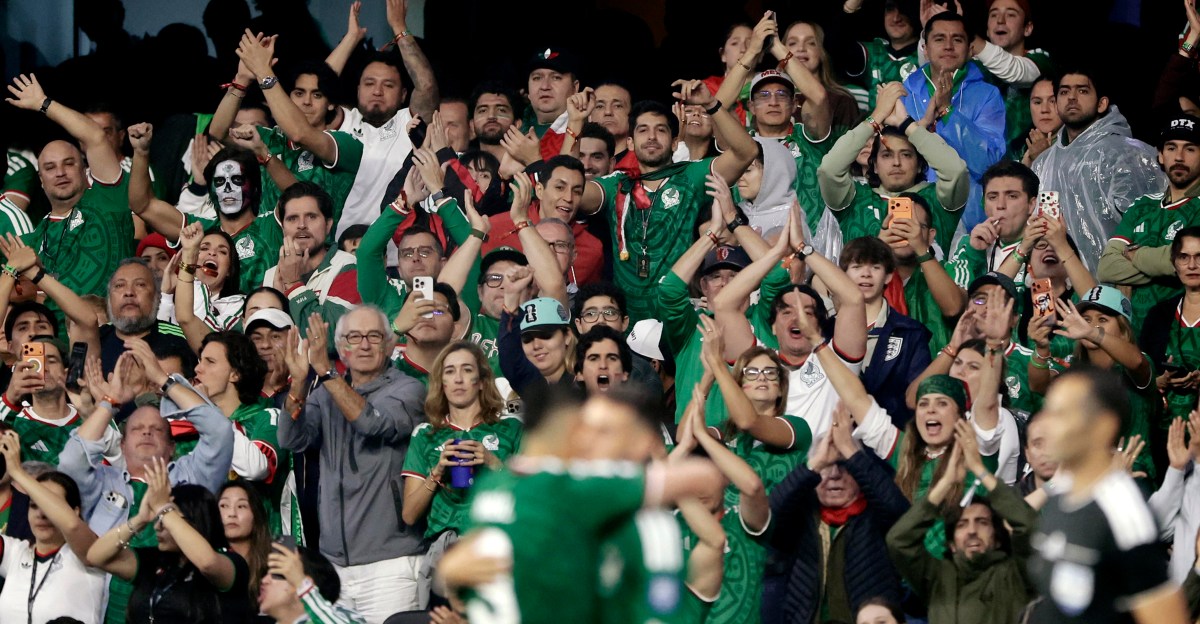
England will face World Cup co-host Mexico in a round-of-16 match at the iconic Azteca Stadium in Mexico City, kicking off at 5 p.m. PDT and airing on Fox and Telemundo, according to Herald Sun. The venue carries heavy historical baggage for England — it is where Diego Maradona scored two infamous goals to knock England out of the 1986 World Cup quarterfinals, handing Argentina a 2-1 victory.
England coach Thomas Tuchel called the match a chance to "make amends" with the stadium. His side must now conquer not just Mexico, but also the thin air of Mexico City, which sits roughly 7,350 feet above sea level — one of the most punishing environments in world football.
Maradona's Ghost Still Haunts Azteca Stadium
The 1986 World Cup quarterfinal at Azteca is one of the most talked-about matches in football history. Maradona first punched the ball into the net with his hand — the so-called "Hand of God" goal. Then, just four minutes later, he dribbled past five England players to score what many call the greatest World Cup goal ever. Argentina won 2-1 and went on to lift the trophy.
Now England returns to the same ground, nearly 40 years later, with a World Cup knockout tie on the line. Tuchel's comment about "making amends" signals that the squad is fully aware of what this stadium means to English football history. For England fans, beating Mexico here would carry deep symbolic weight.
Mexico City Altitude Creates a Major Physical Test
At 7,350 feet above sea level, Mexico City's altitude is a serious challenge for any visiting team. The air is thinner there, meaning players get less oxygen with every breath. This forces the heart and lungs to work harder, and players tire more quickly — often in ways they cannot fully train for in lower-altitude countries like England.
Interestingly, the altitude challenge cuts both ways. Mexico, as the home side, is also affected. Players who grow up and train at sea level — as many top Mexican professionals do at their European clubs — may struggle just as much as the English squad when game day arrives.
FIFA Nearly Changed Kickoff Time, Disrupting Both Teams
FIFA considered moving the match's evening kickoff to noon local time, according to Bradenton. That shift would have forced both teams to overhaul their physical preparation and travel plans at short notice. A noon kickoff under the Mexican sun would have added heat stress on top of the altitude challenge — a brutal combination for players.
In the end, the 5 p.m. PDT slot was kept in place. The evening start allows cooler temperatures and gives both teams the prep time they had planned for. Sudden schedule changes at major tournaments can throw off training cycles, sleep patterns, and even mental focus — so the decision to hold the original time was a relief for both camps.
England and Mexico Both Chasing World Cup History
England last won the World Cup in 1966 — on home soil. Every tournament since has ended in heartbreak, from penalty shootout exits to last-gasp defeats. A win at Azteca, against the co-host nation, in front of a packed and passionate Mexican crowd, would rank among England's greatest ever results.
Mexico, meanwhile, carries the weight of a nation that has never gone past the round of 16 in a World Cup held abroad. As co-host in 2026, the pressure to finally break that barrier — nicknamed "El Quinto Partido" or "the fifth game" by Mexican fans — is immense. This match is not just a knockout tie. It is history waiting to be made by one side.
Sentiment
NeutralNEGATIVENEUTRALPOSITIVE
Publishers
17
Articles
17
Reach
17
A
AnonymousAuthor


