Kenya Cannabis Ruling
Kenya’s High Court Dismisses Rastafarian Bid to Decriminalize Cannabis for Religious Use
Anonymous
Key Points
1
Petitioners argued cannabis is a sacred sacrament central to Rastafari worship and that criminalization subjects Rastafari members to targeted police harassment, profiling, and unwarranted searches based on appearance.
2
The court said that creating a religious exemption would require a profound legislative and constitutional foundation, which the petitioners failed to establish.
3
Justice Mwamuye framed cannabis policy as a national issue, stating, 'this is not a question for the Rastafarian community only. It is a national question that cuts across the entire spectrum of our society.'
4
The petitioners’ privacy and economic-advancement arguments were rejected, with the court holding that the right to manifest religion or privacy is not absolute and can be limited for public health and safety.
5
The ruling acknowledges a global context where some countries have moved toward decriminalization or legalization, but Kenya will maintain regulation under existing narcotics laws.
Kenya's High Court has dismissed a petition by the Rastafari Society of Kenya seeking to legalize cannabis for religious use, ruling that existing drug laws are constitutional and do not violate Rastafari rights, according to Washington Post. Justice Bahati Mwamuye found that the petitioners failed to show that the Narcotic Drugs and Psychotropic Substances Act infringes on their freedom of religion, conscience, or belief.
The ruling is a significant setback for Kenya's Rastafari community, which argued that cannabis is a sacred sacrament central to their worship. The court acknowledged a global shift toward decriminalization in some countries but made clear Kenya will maintain its existing narcotics laws, WTOP reported.
Rastafari Argued Cannabis Is a Sacred Religious Right
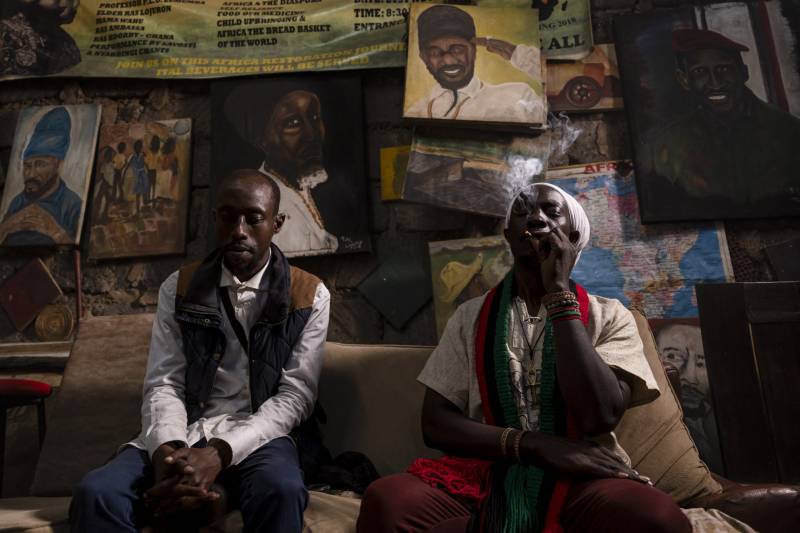
The Rastafari Society of Kenya brought the petition arguing that criminalizing cannabis directly attacks their religious practice. They said cannabis, which they call a sacred sacrament, is central to Rastafari worship and meditation. The petitioners also argued that the ban exposes community members to targeted police harassment, profiling, and unwarranted searches based on their appearance and dreadlocks.
The group also raised economic arguments, saying legal cannabis cultivation could create jobs and boost rural incomes. Their privacy claims were similarly rejected. The court held that the right to practice religion or privacy is not absolute and can be limited when public health and safety are at stake, The Star reported.
Court Says Religious Exemption Needs Far Stronger Legal Basis
Justice Mwamuye ruled that creating a religious exemption for cannabis would require a deep legislative and constitutional foundation. The petitioners simply did not build that case. The court said existing law does not single out Rastafari and applies equally to all Kenyans, according to WTOP.
The judge stressed that this is bigger than one community's beliefs. He stated, "this is not a question for the Rastafarian community only. It is a national question that cuts across the entire spectrum of our society." That framing effectively moved the debate out of the courtroom and into the political arena.
Kenya Holds Firm While Global Cannabis Laws Keep Shifting
The ruling comes as dozens of countries have moved to decriminalize or legalize cannabis. The court acknowledged this global trend but said Kenya's approach is its own to decide. Protecting minors and safeguarding public health were cited as core reasons to keep the Narcotic Drugs and Psychotropic Substances Act in place, 24 News HD reported.
The decision does not permanently close the door on cannabis reform in Kenya. Justice Mwamuye encouraged a broader national debate on cannabis policy. That suggests future change, if it comes, will need to come through parliament rather than the courts.
Sentiment
Mostly NegativeNEGATIVENEUTRALPOSITIVE
Publishers
24
Articles
79
Reach
103
A
AnonymousAuthor


