Satellite Air Monitoring
NASA Satellites Offer New Data to Track US Air Quality Gaps, Revealing Hidden Dangers
Anonymous
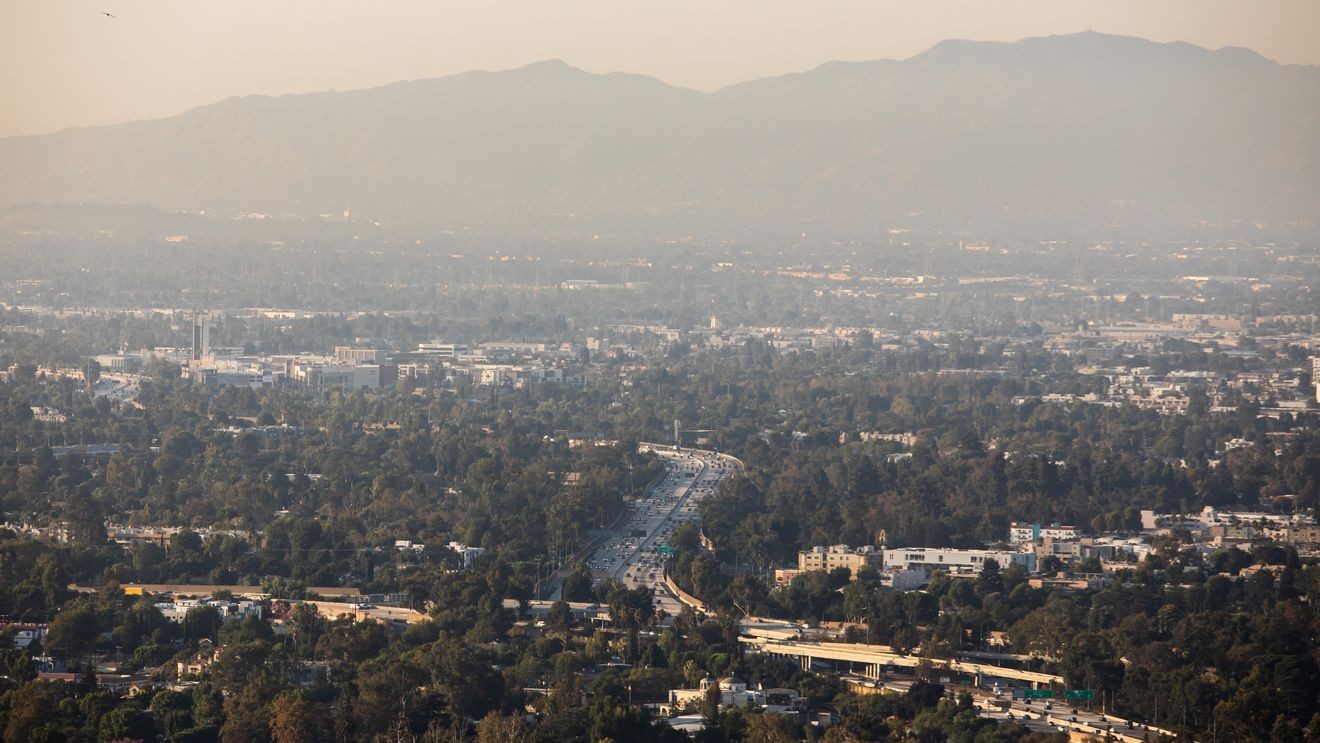
Millions of Americans live in areas with no air quality monitors, leaving them unaware of dangerous pollution levels in their communities. Now, university researchers and the American Lung Association are turning to NASA satellites to fill that blind spot, according to Fox San Antonio.
Two new studies published in the journal GeoHealth show that satellite data could reveal hidden air pollution dangers — especially for children, the elderly, and people with lung or heart disease, News 3 Las Vegas reported.
Over 60 Counties May Have Failing Air Grades
One of the new studies found that more than 60 counties with no ground-level air monitors would likely have received failing grades for particle pollution. That conclusion came from satellite-derived estimates of air quality, Dayton 24/7 Now reported. Those counties had no way to know they had a problem — because no one was measuring.
The failing grades are based on levels of fine particulate matter, known as PM2.5. These are tiny particles — smaller than a human hair — that can enter the lungs and bloodstream. High levels of PM2.5 are linked to heart attacks, strokes, and early death.
How Satellites Measure Pollution From Space
NASA satellites track how light is absorbed and scattered in the atmosphere. That data shows promise for estimating PM2.5 levels on the ground, according to Idaho News. Researchers can use this to build air quality pictures for places that have no physical monitors.
Ground-level monitors are expensive to build and maintain. Many rural and low-income communities have never had one. Satellites orbit the entire Earth and can collect data over any location — monitored or not, ABC St. Louis reported.
Vulnerable Groups Face the Biggest Hidden Risks
The people most at risk from bad air quality are often the least likely to have local monitoring data. Children, elderly adults, and those with chronic lung or heart conditions can suffer serious health effects even from short-term exposure to high PM2.5 levels, News Channel 9 reported.
Without monitors, families in those communities have no way to know when to keep kids inside or when to avoid outdoor exercise. Satellite data could one day power public health alerts in those areas, Fox Kansas reported.
Research Could Reshape National Air Quality Policy
The American Lung Association has long pushed for wider air quality monitoring across the U.S. These two studies give the case new weight. If satellite data can reliably stand in for ground monitors, regulators could identify pollution hotspots that current policy simply cannot see, WGME reported.
The research does not replace the need for ground monitors. But it shows a path to broader coverage — faster and at lower cost. For millions of Americans currently living in monitoring blind spots, that could mean life-saving information they have never had before, according to News 4 San Antonio.
Sentiment
NeutralNEGATIVENEUTRALPOSITIVE
Publishers
21
Articles
26
Reach
27
A
AnonymousAuthor


