Sunglasses and Road Safety
UK Drivers Urged to Check Sunglasses for Road Traffic Act Compliance
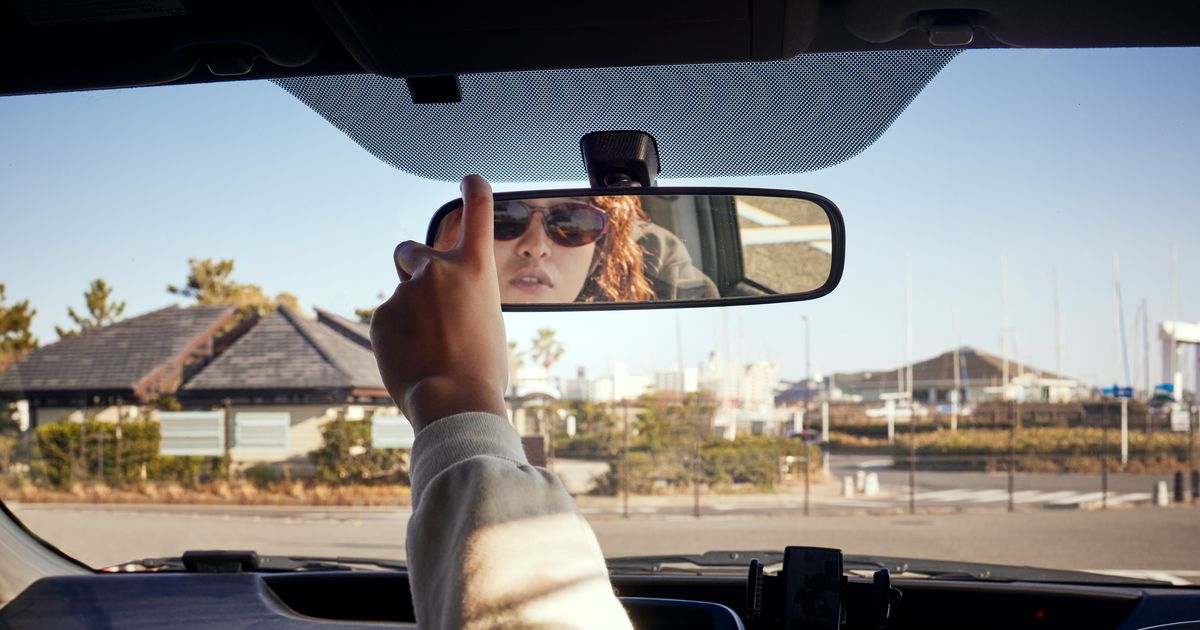
UK drivers could face fines and penalty points for using overly dark sunglasses while driving, under a little-known law that many motorists don't realize applies to eyewear. RAC has warned that the darkest sunglasses can reduce vision too much for safe driving, making it harder to spot hazards and other road users. The key measure is Visible Light Transmission (VLT) — how much daylight the lens lets through — and if your eyewear impairs your vision, Section 96 of the Road Traffic Act 1988 makes it illegal to drive.
Drivers caught with vision-impairing sunglasses can face penalties including fines and three penalty points on their license. AA also advises motorists never to use tinted glasses, lenses or visors at night, and to take extra care in poor visibility when eyewear restricts their sight. The warning comes as summer approaches and more drivers consider wearing dark shades in bright weather.
Why Dark Sunglasses Create Real Safety Risks
Sunglasses block glare and protect eyes in bright conditions, but the darkest styles cut light transmission too far. RAC explains that very dark lenses reduce how much you can see of the road, other vehicles, and pedestrians. Drivers in shadowy areas — like tree-lined roads or tunnels — face even bigger dangers. Your eyes simply won't receive enough light to judge distance or speed.
When vision is impaired, reaction times slow down dramatically. A driver wearing overly dark sunglasses might not see a child stepping into the road or a vehicle swerving into their lane. Cambridge News reports that the RAC warns these darkest styles can make it nearly impossible to see hazards in time to avoid them.
Understanding the Legal Standard for Eyewear
Section 96 of the Road Traffic Act 1988 states clearly: you cannot drive if your eyesight does not meet the legal standard. This law applies to any eyewear — sunglasses, tinted lenses, or visors — that prevents you from seeing clearly. You must be able to read a number plate from 20 meters away and have a full field of vision. Impaired eyesight is measured objectively, not by feel.
Visible Light Transmission (VLT) is the technical measure of how much light passes through a lens. Higher VLT means more light gets through and better vision. Wales Online notes that RAC strongly advises drivers to check the VLT rating of their sunglasses before wearing them behind the wheel. Most eye care professionals can test this for you.
Penalties for Driving With Vision-Impairing Eyewear
If police catch you driving with sunglasses that restrict your vision, you face real legal consequences. A fine is the minimum penalty. You can also receive three penalty points added to your license. Examiner Live reports that penalties underscore how seriously UK law treats vision impairment while driving. Accumulate 12 points within three years and you lose your license.
The penalties exist because poor vision contributes to crashes and deaths. AA urges drivers never to use any tinted eyewear after dark, when natural light is already scarce. Even during the day, AA advises extra caution when eyewear restricts what you can see. A temporary choice to wear dark shades can result in permanent consequences.
How to Check If Your Sunglasses Are Road-Legal
Before wearing sunglasses while driving, ask yourself: can I see clearly in shadows and tunnels? Can I spot other vehicles easily? Can I judge distances and speeds accurately? Leeds Live reports that RAC recommends drivers test their eyewear in real driving conditions. If you struggle to see clearly, the sunglasses are too dark for the road.
Your optician can check the VLT rating of your sunglasses and confirm they meet legal standards. Many high-street opticians offer this service for free or a small fee. Get Surrey notes that taking this simple step removes any doubt about whether your eyewear is road-legal. Protect yourself and other drivers by choosing vision carefully.
Sentiment
NeutralPublishers
7
Articles
6
Reach
7


