Iran War Costs Billions
Pentagon Watchdog Details Heavy War Costs and Munitions Shortfalls from Iran Conflict
Anonymous
Key Points
1
The report’s damage estimates exclude the cost of repairing or rebuilding damaged U.S. base facilities, and authorities have not decided whether every facility will be restored or who would pay for the work.
2
The State Department reported $113 million in conflict-related costs by early June, including nearly $80 million for contingency operations such as evacuating U.S. personnel, their families, other American citizens and eligible third-country nationals.
3
The Bahrain naval base, a key U.S. logistics hub in the region, was targeted by Iranian drones and ballistic missiles, forcing Central Command to shift supply lines to alternate routes.
4
The inspector general’s assessment covered April 1 through June 30 and combined findings from watchdogs for the Defense and State departments and the U.S. Agency for International Development, rather than relying solely on the Pentagon review.
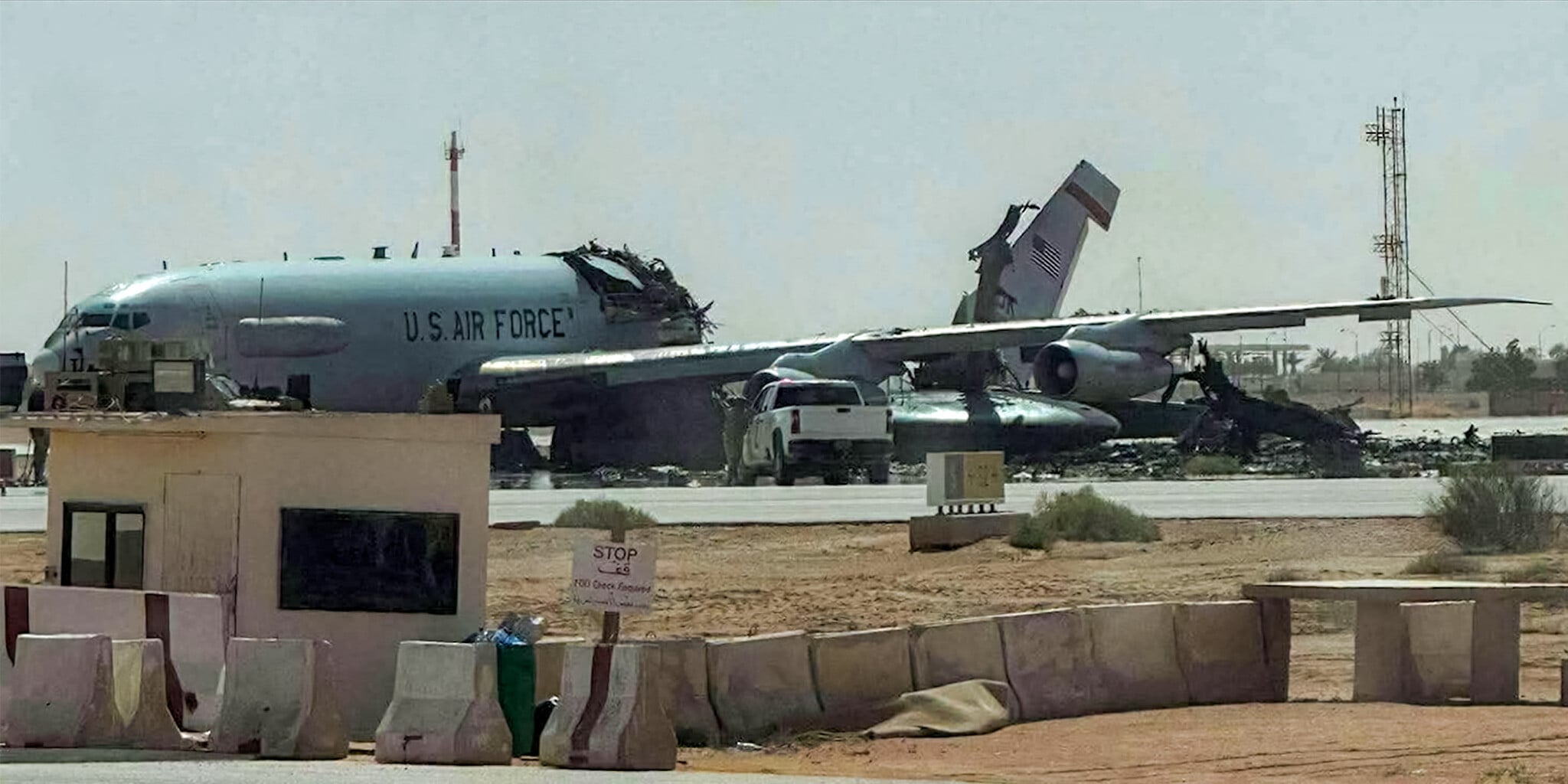
A Pentagon watchdog report reveals the Iran war cost $33.4 billion through June and exposed dangerous shortfalls in advanced munitions that could take three years to fix. Middle East Eye reported that Iranian strikes damaged or destroyed more than 50 aircraft, including F-15 fighters and at least 30 MQ-9 Reapers, across eight Middle Eastern countries. The findings directly contradict President Trump's claims that U.S. weapons supplies remain unlimited.
The military's munitions costs alone totaled $22.3 billion, while diplomacy facilities suffered $184 million in damage. Times of Israel noted that bottlenecks in the defense industrial base—not just funding—are slowing weapons replacement. The report, covering April through June, forces a reckoning: America burned through advanced weapons faster than factories can rebuild them.
Massive Damage Across Eight Countries
Iranian strikes hit U.S. military bases in Kuwait, Bahrain, Qatar, the UAE, Saudi Arabia, Iraq, Oman and Jordan. France24 confirmed that Operation Epic Fury ran from February 28 to June 30. The Bahrain naval base—America's key logistics hub in the region—took direct hits from drones and ballistic missiles, forcing the Pentagon to reroute supply lines.
Diplomatic facilities in Iraq, Kuwait, Saudi Arabia and the UAE sustained $184 million in damage. Iraq alone accounted for over $157 million. The attacks forced U.S. Central Command to relocate personnel, equipment and supply depots. Medical-evacuation helicopters were withdrawn from Iraq and Kuwait, and resupply missions now take up to 18 days instead of hours.
Industrial Bottlenecks May Take Years to Solve
The Pentagon inspector general identified critical shortfalls in advanced munitions and discovered that defense contractors cannot replace weapons fast enough. Morning Chronicle stated that specialized components and supplier networks—not simply money—are the constraint. A three-year timeline to replenish depleted stocks reveals a gap between how fast the military burns through weapons and how fast factories can make them.
Munitions spending totaled $22.3 billion of the $33.4 billion war cost. A later congressional estimate put the total at $37.5 billion. These figures exclude the cost of repairing or rebuilding damaged U.S. base facilities, a decision still pending among Pentagon officials.
Trump's 'Unlimited Supply' Claims Face Reality Check
President Trump and Pentagon leaders have repeatedly claimed U.S. weapons supplies are effectively unlimited and production is at record levels. Yahoo News reported that the inspector general's findings directly contradict those assertions. The report documents real constraints in the defense industrial base that could limit sustained high-intensity warfare.
State Department costs added another $113 million by early June, including nearly $80 million for evacuating U.S. personnel and families. Total conflict costs now exceed $37.5 billion when all agencies are included. Rebuilding damaged facilities and replacing lost aircraft remain outstanding expenses not yet fully calculated.
Logistical Damage Forces Military to Shift Operations
Base damage across the Gulf region forced the Pentagon to shift supply lines to Diego Garcia, a remote island base thousands of miles away. This move lengthens resupply cycles dramatically and increases operating costs. The military's regional logistics network, built around concentrated hubs like Bahrain, now faces pressure to diversify or relocate key facilities.
The combined inspector general report pulled findings from watchdogs across the Defense Department, State Department and the U.S. Agency for International Development. This broader accounting reveals costs spread across the federal government that single-agency reviews might miss. Future spending on facility repairs and force regeneration will further increase the conflict's total price tag.
Sentiment
Mostly NegativeNEGATIVENEUTRALPOSITIVE
Publishers
60
Articles
276
Reach
336
A
AnonymousAuthor


