Lifeguard Lightning Survival
Florida Lifeguard Damien Curry Survives July 4th Lightning Strike, Warns Beachgoers Amid Recovery
Anonymous
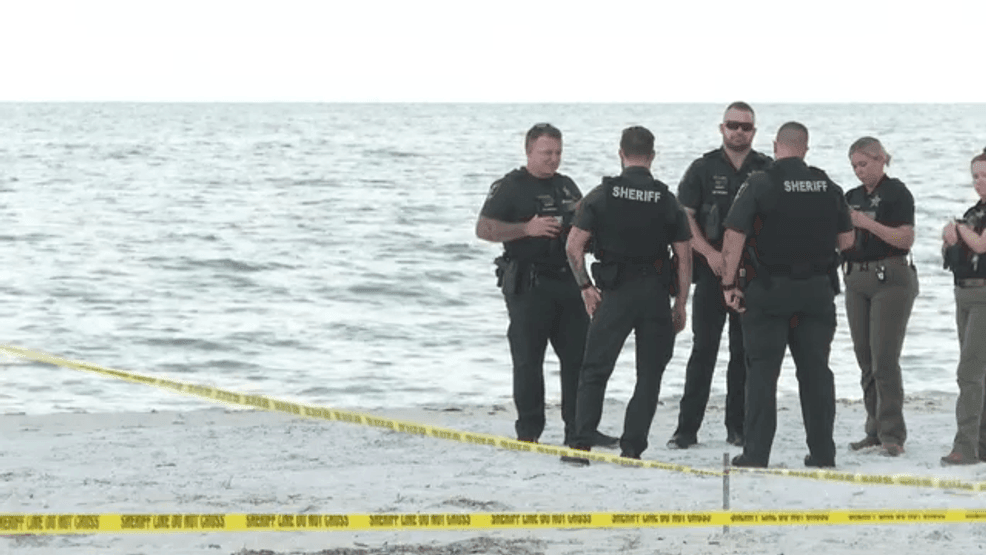
A Florida lifeguard survived a direct lightning strike on July 4th while on duty at Ormond Beach in Volusia County. Damien Curry was struck during a fast-moving storm and left with severe injuries — but he kept working, driving along the beach to warn swimmers to get out of the water. Gulf Coast News Now reported the strike happened while Curry was responding to a separate call about a woman on the beach.
Curry described the moment in vivid terms. "All of a sudden boom! It just blows up," he said. Despite the shock to his body, he stayed on the job that day. He is now recovering and working part-time as he rebuilds his health.
Lightning Struck While Curry Was Helping Someone Else
Curry was already responding to a call when the storm hit. Gulf Coast News Now reported that the fast-moving storm gave little warning before the strike. Curry was working the beach at Ormond Beach, Florida, in Volusia County when the bolt hit him directly. Being a trained lifeguard did not make the experience any less dangerous or terrifying.
After the strike, Curry did not stop. He drove around the beach and warned other beachgoers to leave the water and seek shelter. His quick action on a busy July 4th holiday likely kept others safe from the dangerous storm, WISN reported.
Severe Injuries Forced Curry to Scale Back His Work
The lightning strike left Curry with serious injuries. He is no longer working his full schedule and has moved to a part-time role while he recovers. Lightning strikes can cause burns, nerve damage, and heart problems. The road to full recovery can take months or longer.
WBALTV noted that Curry is working toward improving his health following the incident. He had a very close call with death on what is one of the busiest beach days of the year in Florida.
Fireworks Season Triggers Panic Attacks During Recovery
Recovery has not been easy beyond the physical injuries. Curry has been dealing with panic attacks. The cause is connected to the sights and sounds of summer. Loud fireworks and sudden summer storms have been setting off his anxiety. Both share the sharp boom and flash that marked the moment he was struck.
This is a known effect for lightning strike survivors. The trauma of the event can make ordinary summer sounds feel dangerous. For Curry, the July 4th holiday — already marked by fireworks — became tied to one of the most frightening moments of his life.
Florida Beaches Face Real Lightning Danger Every Summer
Florida is the most lightning-prone state in the US. Summer storms build quickly along the coast and can move in with little warning. Curry's experience shows how fast conditions can change. One moment a lifeguard is watching a calm beach — the next, a bolt strikes without warning.
Curry's story is a reminder of the real risks beach workers and visitors face in Florida summers. Even trained professionals watching the sky can be caught off guard. Experts recommend leaving the beach at the first sign of a storm and waiting at least 30 minutes after the last thunder before returning.
Sentiment
NeutralNEGATIVENEUTRALPOSITIVE
Publishers
7
Articles
7
Reach
7
A
AnonymousAuthor


