China Voter File Allegations
President Trump claims China accessed 220 million voter files, alleging election system vulnerabilities
Anonymous
Key Points
1
The White House described the released materials as 'previously classified' U.S. Intelligence Community Assessments and other reports, claiming they expose vulnerabilities in electronic voting.
2
Trump said the intelligence came from a White House task force and the president’s intelligence advisory board, asserting China carried out what he called the largest compromise of election data in history by accessing 220 million U.S. voter files.
3
ABC, NBC, and CNN reportedly declined to air Trump’s primetime address on election integrity.
4
Trump claimed there are 'burn bags' containing crucial evidence that could support criminal charges against powerful former and current politicians and bureaucrats.
5
Times of India coverage highlights quotes from the address framing the data loss as an 'unprecedented election security nightmare'.
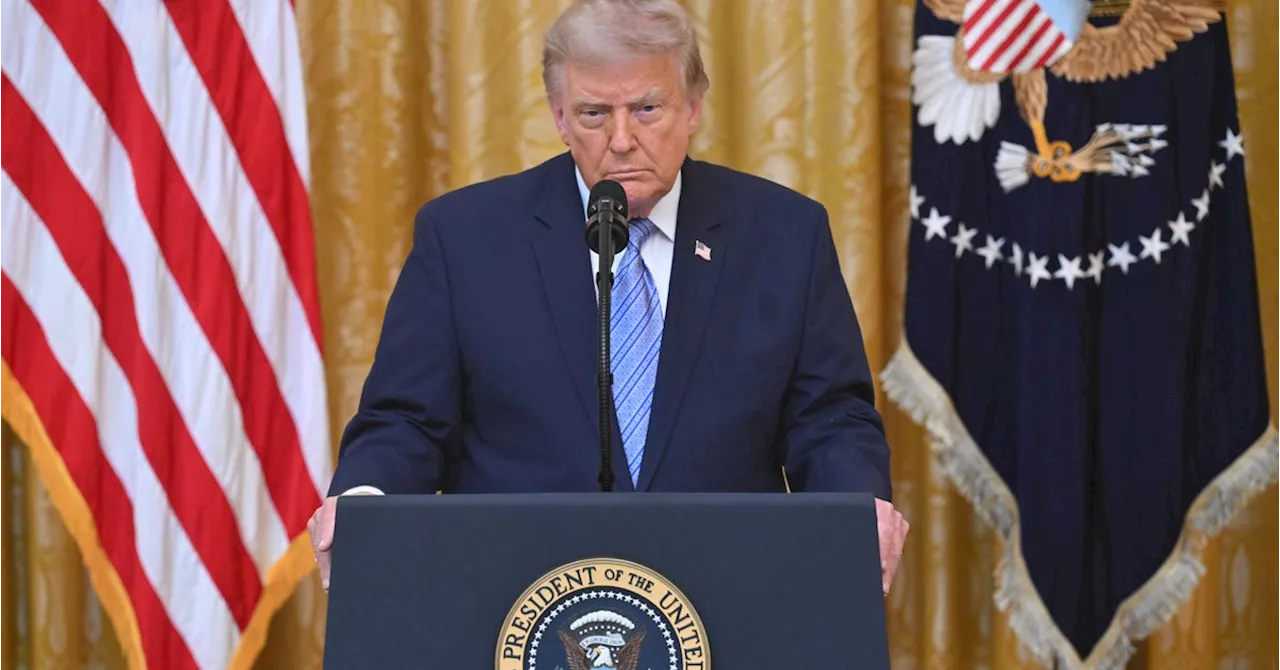
President Trump delivered a primetime East Room address on July 16, 2026, claiming China accessed 220 million U.S. voter files — calling it "the largest compromise of election data in history." He said the breach exposed names, addresses, phone numbers, and party affiliations of American voters starting during the 2020 election cycle. Newsy Today and The Independent both reported on the address, which the White House framed as a long-overdue exposure of hidden national security failures.
Major networks ABC, NBC, and CNN declined to carry the address live on their primary broadcast channels. The White House's new "Election Integrity" website crashed from traffic shortly after launch. The claims immediately drew sharp pushback from independent analysts, who noted that 2021 U.S. intelligence concluded with high confidence that China did not alter votes or tamper with voting infrastructure in 2020.
What Trump Said and What He Declassified
Trump said the intelligence came from a White House task force and the President's Intelligence Advisory Board. He described the voter file breach as an "unprecedented election security nightmare." He also claimed DHS identified roughly 278,000 alleged non-citizens on state voter rolls across 18 states. The White House published the materials on a new government portal immediately after the speech. Press Secretary Karoline Leavitt said beforehand, "everything he is saying will be backed by facts and by evidence."
Trump also referenced "burn bags" — sealed containers of classified files — that he said FBI Director Kash Patel found in a secret room at FBI headquarters. He claimed these bags hold evidence that could lead to criminal charges against current and former politicians and government officials. Trump accused unnamed intelligence officials of running a "shadow government" to hide China's involvement from the public.
Intelligence Community Said China Did Not Alter Votes
A key problem with Trump's claims: they contradict the official U.S. intelligence record. In March 2021, the National Intelligence Council released a declassified assessment saying with "high confidence" that China did not try to influence the 2020 election outcome or touch voting infrastructure. China did collect publicly available state-level voter data for research purposes — but that is very different from altering ballots or hacking machines. Head Topics noted the direct conflict between Trump's claims and that 2021 finding.
Cybersecurity analysts point out that voter registration data — names, addresses, phone numbers, party affiliation — is largely public. States routinely sell it to campaigns and researchers. Accessing those lists is not the same as breaking into voting machines. Experts say Trump's framing conflates data collection with election fraud, which are two very different threats.
The Push Behind It: The SAVE America Act
The address is the centerpiece of Trump's push to pass the SAVE America Act. In March 2026, Trump told House Republicans at a Doral meeting to make it their "No. 1 priority." The bill would require in-person proof of citizenship — such as a passport or birth certificate — to register for federal elections. Critics warn that millions of eligible voters don't have those documents and would be shut out. Senator Jack Reed called it "anti-voter" legislation designed to "hand President Trump unprecedented election powers over all fifty states."
In early July 2026, Trump removed the remaining bipartisan members of the U.S. Election Assistance Commission. DNI Tulsi Gabbard oversaw the removal of more than 50 career staff at the Office of the Director of National Intelligence to align it with the administration's election review goals. Analysts warn that selectively releasing classified intelligence for political purposes risks exposing sensitive intelligence-gathering methods and eroding trust in future U.S. assessments.
What Comes Next as Midterms Approach
With the November 2026 midterms four months away, observers say Trump is building a preemptive narrative. By framing the election system as dangerously exposed to foreign hacking, the administration creates grounds to contest potential losses. Representative Thomas Massie (R-KY) offered a rare GOP dissent, asking Republican colleagues: "Why are you complaining about election fraud? We won all the damn elections!" More than 60 post-2020 lawsuits filed by Trump allies failed to prove any outcome-altering fraud, according to Head Topics.
The Brennan Center for Justice warned that the Fulton County voting records raid and the selective declassification of intelligence represent an "unprecedented escalation" designed to manufacture a crisis. Congress faces pressure to act on the SAVE America Act or face a threatened government shutdown. How lawmakers respond in the coming weeks will shape both election law and the political battlefield heading into the fall.
Sentiment
Mostly NegativeNEGATIVENEUTRALPOSITIVE
Publishers
312
Articles
744
Reach
1.1K
A
AnonymousAuthor


