Nintendo Tariff Dispute
Nintendo defends keeping US tariff refunds amid class-action suit after illegal tariff ruling.
Anonymous
Key Points
1
Refunds from the U.S. government related to tariffs are now being issued, and some recipients have used the funds to offset inflation.
2
Nintendo contends that plaintiffs are not entitled to a rebate merely because tariff-related legal developments occurred, arguing customers received exactly what they bargained for at the point of sale.
3
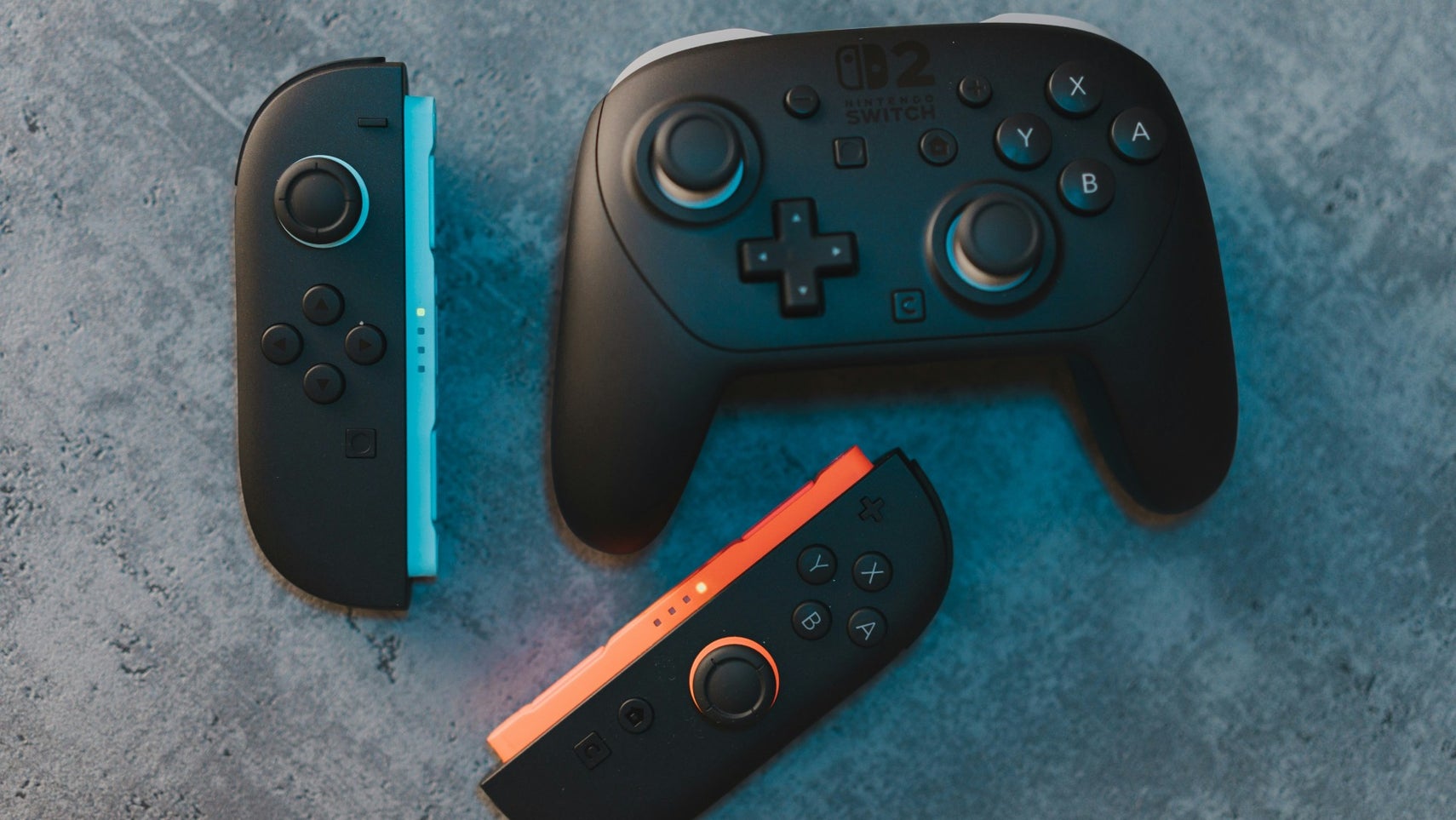
The tariff-driven price increases included concrete example shifts: Switch 2 Pro Controller rose from $79.99 to $84.99 and the Switch 2 Dock Set from $109.99 to $119.99, with reports that the original Switch price was also raised in August 2025.
4
The broader legal backdrop includes a Supreme Court ruling that tariffs were illegal and Nintendo's position that it has standing as importer of record for goods subject to IEEPA duties, fueling claims of potential double recovery if refunds and tariff proceeds are both obtained.
Nintendo has filed a motion to dismiss a class-action lawsuit in Washington state that demands the company pass tariff refunds on to customers, according to GamesIndustry.biz. The lawsuit was brought by two Switch 2 buyers who say Nintendo raised prices because of U.S. tariffs, then quietly sought government refunds — keeping the money for itself.
The case sits inside a bigger legal fight. The U.S. Supreme Court ruled that certain tariffs were illegal, which triggered government refunds to importers like Nintendo. Plaintiffs argue that creates a "double recovery" — Nintendo collected higher prices from consumers and refunds from Washington.
How Nintendo Raised Prices After Tariffs Hit
Nintendo raised prices on several products after U.S. tariffs under the International Emergency Economic Powers Act took effect. The Switch 2 Pro Controller climbed from $79.99 to $84.99. The Switch 2 Dock Set went from $109.99 to $119.99. Reports also say the original Switch price was raised in August 2025, according to The Gamer.
Nintendo says it did not pass on the full cost of tariffs. The company argues it absorbed some of the burden itself, unlike many of its competitors. It says its price increases were modest and reasonable given the circumstances, according to WNHub.
Nintendo Argues Buyers Got Exactly What They Paid For
In its motion to dismiss, Nintendo says customers are not "entitled" to a refund just because the legal situation changed after their purchase, according to Vice. The company's position is simple: buyers agreed to a price, got the product, and received exactly what they bargained for at the time of sale.
Nintendo also argues that changes in tariff law after a sale happened do not create any new obligation to the buyer. The company says intervening legal developments — like a Supreme Court ruling — cannot retroactively entitle consumers to compensation, according to GameDev.net.
Supreme Court Ruling Unlocks Government Refunds
The Supreme Court ruled that the IEEPA tariffs were illegal. That ruling opened the door for importers to claim refunds from the U.S. government. Nintendo, as the importer of record for its goods, is in line to receive those refunds, according to GamesIndustry.biz.
Some people who already received government tariff refunds have used the money to offset inflation costs. Plaintiffs say that if Nintendo also collects those refunds without sharing them, the company will have been paid twice for the same tariff burden — once by shoppers, once by the government.
What Happens Next in the Class-Action Case
The case is still moving through the courts. Nintendo's motion to dismiss is pending, and the outcome could set a precedent for how companies handle tariff refunds when prices were already passed to consumers, according to WNHub. Other companies that raised prices during the tariff period could face similar claims.
The central question is straightforward: should Nintendo keep the government refunds, or send them back to buyers? Nintendo says no legal obligation requires it to share them. Plaintiffs say keeping both amounts to profiteering at the expense of everyday Switch 2 owners, according to Vice.
Sentiment
Mostly NegativeNEGATIVENEUTRALPOSITIVE
Publishers
29
Articles
22
Reach
51
A
AnonymousAuthor


