India Approves Key Smartphone JV
India Formally Approves Dixon-Vivo Smartphone Manufacturing JV, Signaling Shift in Cross-Border Investments
Anonymous
Key Points
1
The joint venture will absorb Vivo's Noida manufacturing infrastructure and operate as a large OEM hub in India, with the capacity to manufacture devices for other brands.
2
Approval was granted on July 8, 2026 under Press Note 3 of 2020, which requires government clearance for investments from border-sharing countries.
3
When fully operational, the JV is expected to account for roughly two-thirds of Vivo's total annual India production footprint, around 35 million handsets.
4
The JV will undertake a portion of Vivo’s OEM orders in India and can also engage in OEM manufacturing for other electronic products and brands.
5
The approval represents a landmark shift in cross-border tech investments, ending a long-standing diplomatic freeze on Chinese investments in India’s critical tech sector.
India has approved a major smartphone manufacturing joint venture between Dixon Technologies and Vivo Mobile India, with Dixon holding a 51% stake and Vivo holding 49%, according to NDTV Profit. The government granted clearance on July 8, 2026 under Press Note 3 of 2020 — a rule requiring special approval for investments from countries that share a border with India, including China.
The deal marks a landmark shift in India's approach to Chinese tech investment. It ends what has been a years-long freeze on Chinese-linked deals in India's critical technology sector, Yahoo Finance reported.
Dixon Takes Majority Control of Vivo's Noida Factory
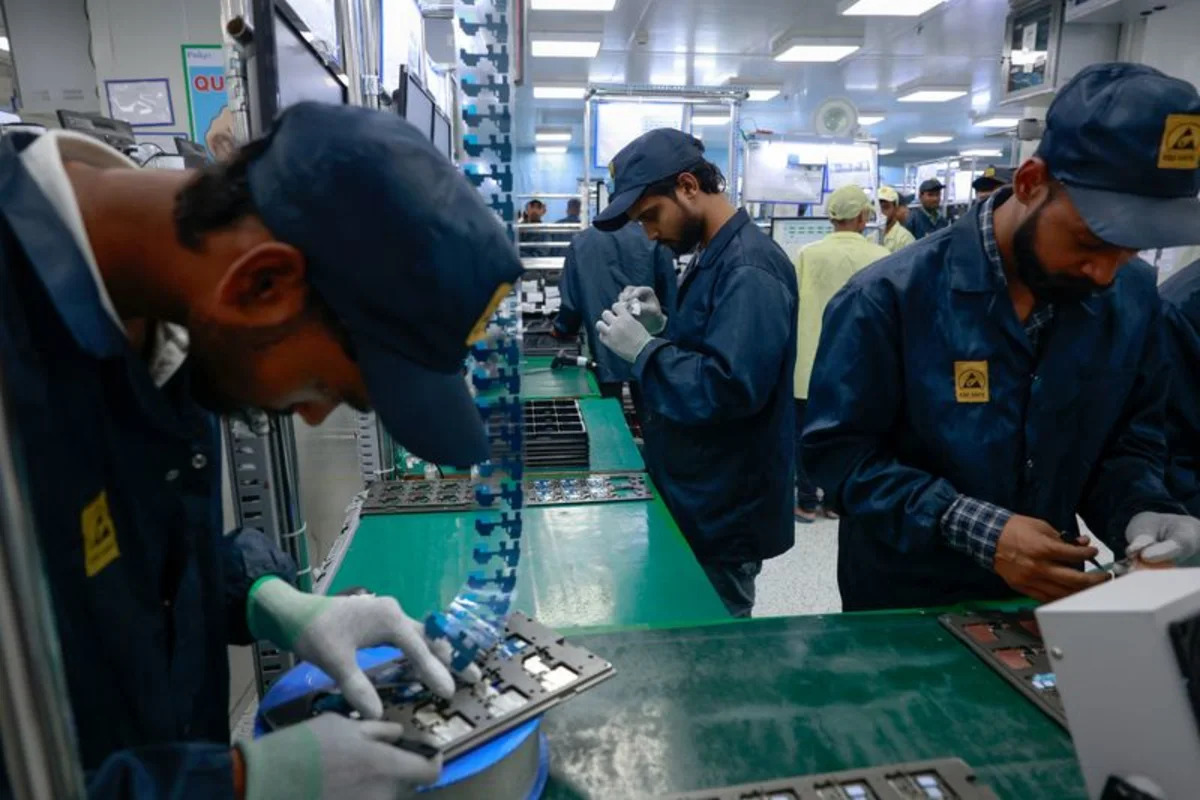
The new joint venture will absorb Vivo's existing manufacturing infrastructure in Noida, India. It will operate as a large original equipment manufacturer — meaning it builds devices under other companies' brand names. The JV starts with an initial paid-up capital of just Rs 5 crore, Yahoo Finance reported.
Dixon will own the majority stake, giving the Indian company direct control over operations. The JV will primarily handle Vivo's OEM orders in India. It can also produce electronic devices for other brands, expanding Dixon's contract manufacturing business well beyond Vivo.
JV Could Add 20 Million Phones to Dixon's Annual Output
Dixon's leadership has projected the partnership could add 20 to 22 million smartphone units to the company's annual production, according to NDTV Profit. That is a massive jump for a company looking to grow its India manufacturing footprint fast.
When fully running, the JV is expected to handle roughly two-thirds of Vivo's total India production, which currently stands at around 35 million handsets per year, Sahi reported. That means the Dixon-Vivo entity could eventually produce close to 23 million units annually just for Vivo alone.
Press Note 3 Keeps Security Guardrails on Chinese Deals
Press Note 3 of 2020 was put in place after border tensions between India and China flared. It blocks automatic approval for investments from border-sharing countries. Any Chinese-linked deal needs the government to sign off first. This JV had to clear that exact hurdle before moving forward, NDTV Profit reported.
The approval does not mean India has dropped its guard on Chinese investments. The government is still applying close scrutiny to Chinese deals in sensitive tech sectors. But this clearance shows India is willing to allow select partnerships when domestic companies hold majority control and strategic safeguards are in place.
India Bets on Domestic Manufacturing Without Shutting Out China
The Dixon-Vivo tie-up fits into India's broader push to build a world-class electronics manufacturing base at home. By requiring Dixon to hold 51%, India ensures an Indian company controls the factory floor. Vivo gets to keep its India production pipeline alive, Yahoo Finance reported.
The deal shows India is trying to balance two goals at once: boost domestic manufacturing and keep a close eye on Chinese tech investment. With Dixon at the helm, the government gets a local anchor. With Vivo's orders and know-how, Dixon gets the scale it needs to compete globally.
Sentiment
Mostly PositiveNEGATIVENEUTRALPOSITIVE
Publishers
12
Articles
56
Reach
68
A
AnonymousAuthor


