Iran Militia Pressure
President Trump Welcomes New Iraqi Prime Minister Ali al-Zaidi to White House Amid Iran Tensions
Anonymous
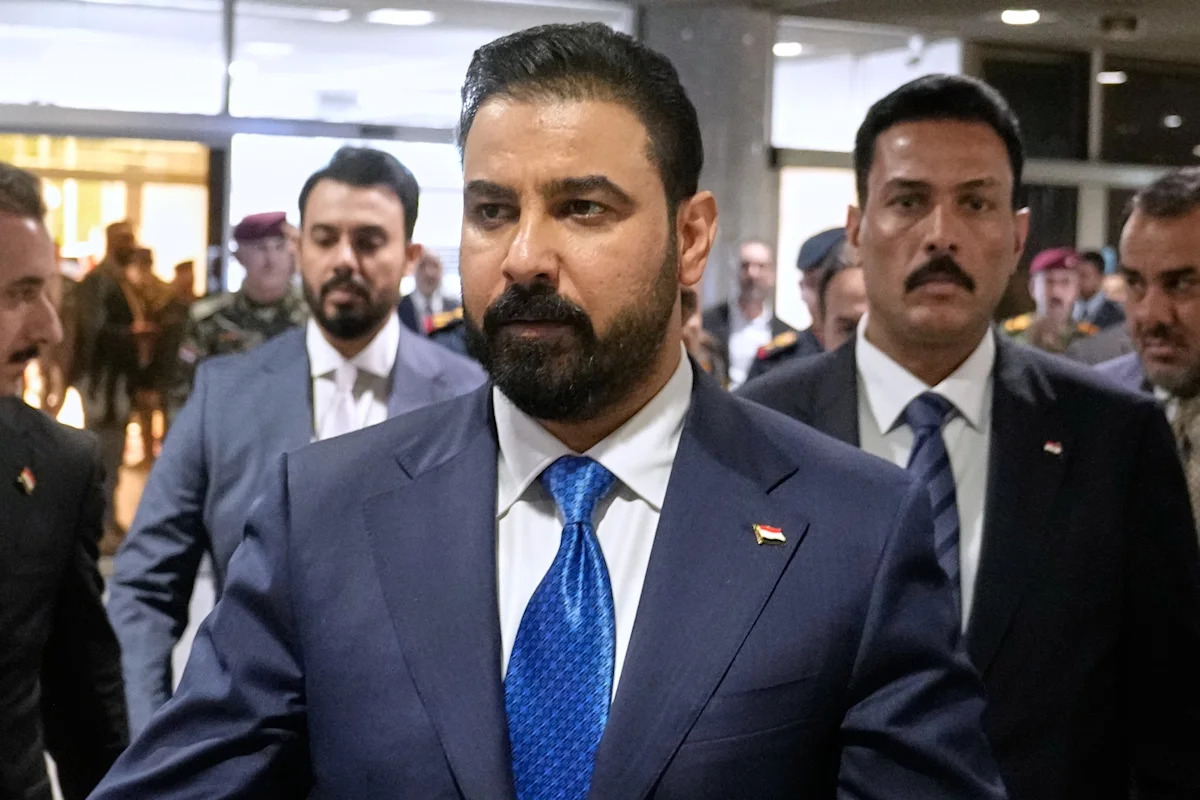
President Donald Trump welcomed Iraq's new Prime Minister Ali al-Zaidi to the White House, marking a significant diplomatic moment for two countries tied together by decades of war and politics. AP News reported that Trump had strongly backed al-Zaidi's bid for office, giving the new leader an early show of U.S. support before he even arrived in Washington.
Al-Zaidi is a businessman with no political background. He emerged as a consensus pick after months of political deadlock in Iraq, according to The Seattle Times. His White House visit signals a fresh chapter in U.S.-Iraq relations — but one with serious complications, chiefly Iran.
A Businessman Steps Into Iraq's Highest Office
Al-Zaidi's rise to power was anything but typical. Iraq's political system is notoriously fractured, split along ethnic and sectarian lines. For months, rival factions could not agree on a prime minister. Al-Zaidi, a political outsider with a business background, became the candidate everyone could live with, Newsday reported.
His lack of political baggage may have helped him win the job. But it also means he enters office without a deep network of allies inside Iraq's government. Governing a country as complex as Iraq — with powerful militias, oil politics, and foreign interference — will test him quickly.
Trump's Early Backing Shapes the New Relationship
Trump's public support for al-Zaidi before he took office was unusual. U.S. presidents rarely weigh in so openly on another country's leadership race. The move signaled that Washington sees al-Zaidi as a partner it can work with, according to WBAL.
The White House meeting gives al-Zaidi a boost on the world stage. For Trump, it is a chance to shape U.S. policy in a region where American influence has faded. Both leaders are expected to discuss trade, security, and Iraq's ties to Iran.
Iran-Backed Militias Cast a Shadow Over Talks
The biggest issue on the table is Iran. Iraq is home to a web of Iran-backed militias — armed groups that operate outside the Iraqi government's control. The U.S. has given these non-state armed groups a deadline of the end of September to disarm, WFMZ reported.
Some of the most powerful militias have flatly refused. They say they have no intention of disarming. That puts al-Zaidi in a very tight spot. He must satisfy Washington's demands while avoiding a direct confrontation with armed groups that have real firepower and deep roots inside Iraq.
Iraq Caught Between Washington and Tehran
Iraq shares a long border and deep cultural ties with Iran. At the same time, it relies on the U.S. for security support and economic partnerships. Balancing these two powers has challenged every Iraqi prime minister for the past two decades, according to Daily Gazette.
Al-Zaidi now faces that same impossible math. If he moves too close to Washington, he risks angering the militias and their Iranian backers. If he does nothing about the militias, he risks losing U.S. support just as his government is getting started. The outcome of this White House visit may set the tone for years to come.
Sentiment
NeutralNEGATIVENEUTRALPOSITIVE
Publishers
15
Articles
14
Reach
15
Topics
A
AnonymousAuthor


