US-Iran Strike Denial
US Central Command Rejects Iranian Claims of Civilian Wheat Facility Damage in July Strikes
Anonymous
Key Points
1
The July strike campaign escalated in a multi-day wave: CENTCOM reported more than 80 Iranian targets on July 7, about 90 on July 8, 140 targets on July 11—the largest single day—and dozens more on July 13, with the overall operation described as hitting over 300 Iranian military sites across July 11–13.
2
On July 14 CENTCOM named seven Iranian targets: Bandar Abbas, Khormuj, Ahvaz, Qeshm, Tunb, Bushehr, and Kuh-e Stak, and framed these coordinates as active IRGC hubs used to coordinate attacks on international shipping in the Strait of Hormuz.
3
CENTCOM described the strikes as precision actions against military infrastructure—including missile and drone facilities, air-defense systems, coastal radar installations, and naval assets—with the campaign emphasizing coastal-defense and maritime capabilities.
4
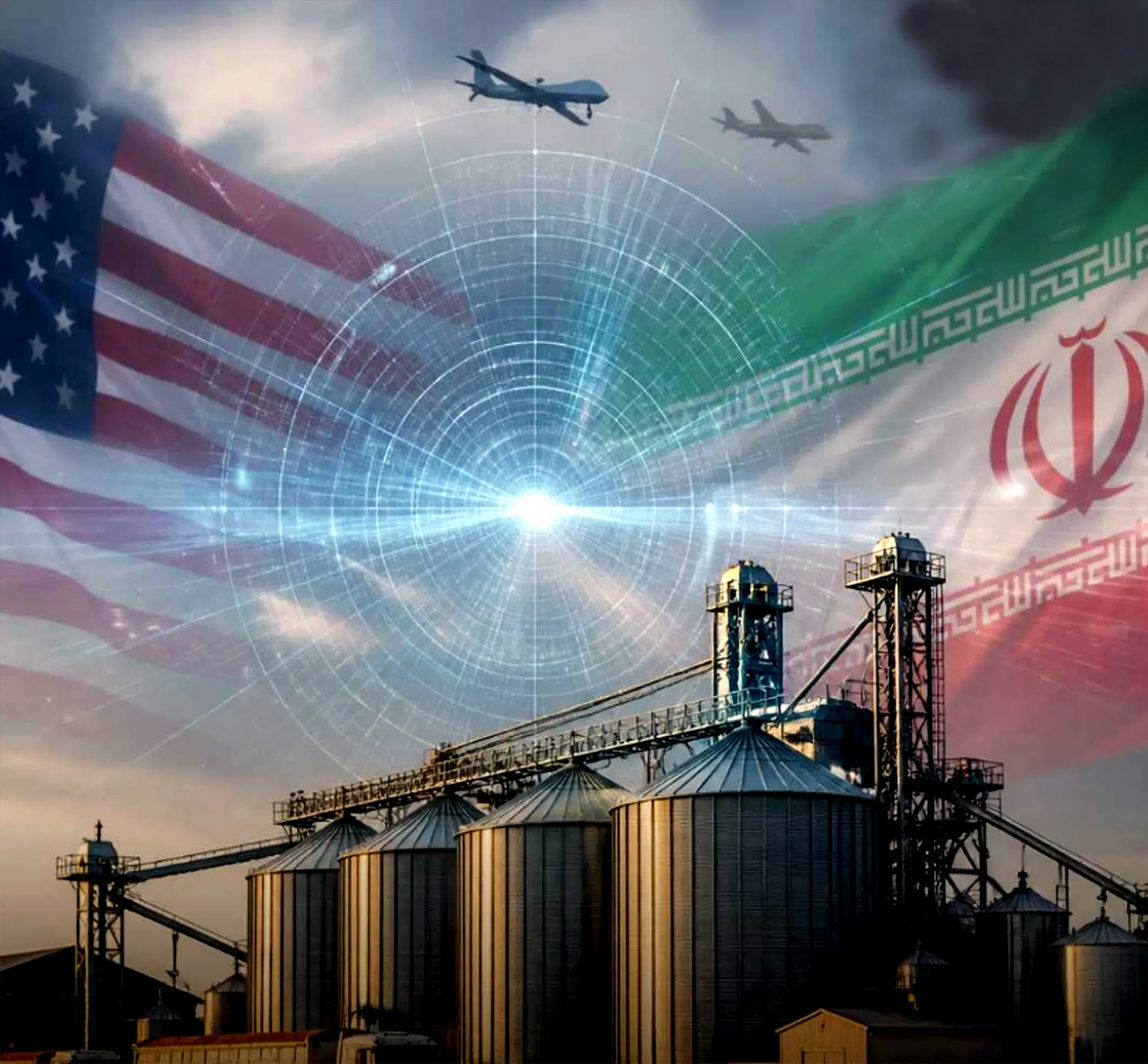
Iranian state media’s claim of damage to a wheat storage silo in Hoveyzeh was denied by CENTCOM, which said the Hoveyzeh facility was not targeted and characterized such reports as part of Tehran’s messaging about civilian infrastructure.
US Central Command (CENTCOM) has flatly denied Iranian claims that American strikes in July damaged a civilian wheat storage silo in Hoveyzeh, a city in Iran's Khuzestan province. Crypto Briefing reported that CENTCOM said the Hoveyzeh facility was never targeted, calling Tehran's account part of a broader effort to frame the campaign as an attack on civilian infrastructure.
The denial came after a massive multi-day US strike campaign that CENTCOM says hit more than 300 Iranian military sites between July 7 and July 14. According to Voice of Emirates, the US military insists every target was a legitimate military installation tied to Iran's ability to threaten commercial shipping in the Strait of Hormuz.
How the July Strike Campaign Unfolded Day by Day
The operation began on July 7 with strikes on more than 80 Iranian military targets. It grew quickly. CENTCOM hit roughly 90 targets on July 8, then surged to 140 on July 11 — the single largest day of the campaign. Dozens more sites were struck on July 13, Crypto Briefing reported.
On July 14, CENTCOM named seven specific locations it struck: Bandar Abbas, Khormuj, Ahvaz, Qeshm, Tunb, Bushehr, and Kuh-e Stak. The military described these as active hubs used by Iran's Islamic Revolutionary Guard Corps (IRGC) — an elite military force — to coordinate attacks on ships passing through the Strait of Hormuz.
CENTCOM Says Targets Were Purely Military, Not Civilian
CENTCOM stressed that every strike in the campaign hit military infrastructure. Targets included missile and drone sites, air-defense systems, coastal radar stations, and naval assets. The Pentagon framed the operation as a precise effort to degrade Iran's coastal-defense and maritime attack capabilities.
Iran's state media claimed the strikes also hit a wheat silo in Hoveyzeh. CENTCOM rejected that claim outright. According to Crypto Briefing, the command said Hoveyzeh was not on any target list and characterized the allegation as Tehran's attempt to portray the US as hitting civilian food storage.
The Competing Narratives at the Heart of the Dispute
The Hoveyzeh dispute reflects a wider pattern. Iran has repeatedly highlighted civilian damage claims. The US has repeatedly denied them. Each side uses these exchanges to shape how the conflict looks to the outside world. Analysts note that the gap between the two narratives is wide and unlikely to close without independent verification on the ground.
Markets showed little immediate reaction to the back-and-forth, Benzinga reported. The denials appeared to calm concerns about a rapid further escalation. Still, the Strait of Hormuz remains one of the world's most important shipping lanes — about 20% of global oil passes through it — making every claim of civilian damage a high-stakes story.
Why the Strait of Hormuz Makes This Conflict So Consequential
CENTCOM says the entire campaign was triggered by Iranian attacks on commercial vessels in the Strait of Hormuz. The strait is a narrow waterway between Iran and Oman. Disrupting it can send energy prices and shipping costs sharply higher around the world.
By focusing its public messaging on maritime targets — coastal radar, naval assets, missile sites — CENTCOM is building a legal and strategic case that the strikes were defensive. Iran's counter-narrative, which centers on damaged wheat silos and civilian infrastructure, is designed to challenge that case on the world stage. Both sides know the information battle matters as much as the military one.
Sentiment
Mostly NegativeNEGATIVENEUTRALPOSITIVE
Publishers
10
Articles
7
Reach
17
A
AnonymousAuthor


