Mandatory Crane Certification
British Columbia Mandates Crane Operator Certification for Enhanced Safety and Training
Key Points
Certified crane operators in British Columbia will gain Red Seal credentials, which the province says will boost career mobility and lead to better wage opportunities.
Crane operation will join seven electrical and mechanical trades that require skilled trades certification, extending standardized certification to this profession alongside other designated trades.
The safety rationale for the expansion is tied to past crane incidents, including the fifth anniversary of the deadly 2021 Kelowna crane collapse that killed four workers and an office worker.
Federal and provincial supports are available to help cover training costs, such as tuition, travel and child care, for those pursuing the new crane-certification requirements.
A Victoria construction-site incident where a crane carrying 3,000 pounds of formwork released its load seriously injured 50-year-old rigger Kyle McIntyre, illustrating the hazards the certification expansion aims to address.
British Columbia will require all tower and mobile crane operators to hold skilled trades certification by July 5, 2027, CTV News reported. The move follows years of pressure from industry and labour groups pushing for stronger, standardized training across the province.
Operators have a one-year transition window starting July 6, 2026. During that time, they can keep working while registering as apprentices with SkilledTradesBC or passing a certification exam, according to CTV News.
Crane Work Joins BC's List of Certified Trades
Crane operation will now sit alongside seven other electrical and mechanical trades that already require mandatory certification in BC, Red FM reported. Operators who complete the process will earn a Red Seal credential. That credential is recognized across Canada and can open doors to better wages and job opportunities in other provinces.
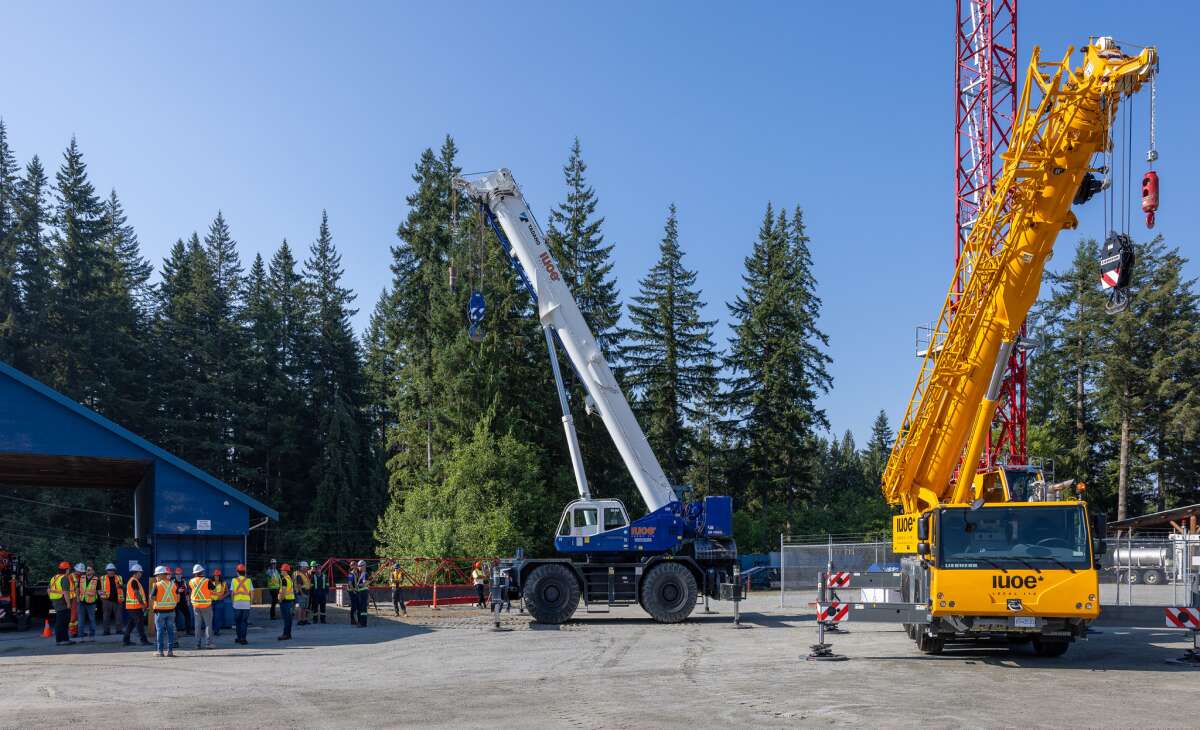
The certification applies to both tower cranes — the tall fixed machines common on city construction sites — and mobile cranes, which move on wheels or tracks. Both types handle heavy loads and operate in crowded, high-risk environments.
Deadly Incidents Drove the Push for Higher Standards
The announcement comes as BC marks five years since the 2021 Kelowna crane collapse. That accident killed four workers and one office worker. It remains one of the province's deadliest construction disasters and became a rallying point for tighter crane safety rules, according to CTV News.
A separate Victoria incident added more urgency. A crane at a construction site released a load of 3,000 pounds of formwork unexpectedly. Rigger Kyle McIntyre, 50, was seriously injured. Officials cited both events as proof that stronger training requirements could not wait.
Funding Available to Help Workers Get Certified
The province and federal government are offering financial support to workers going through the certification process. Help is available for tuition, travel costs, and child care, CTV News reported. Officials said the goal is to remove barriers so that experienced operators can meet the new standard without falling behind financially.
The International Union of Operating Engineers Local 115 backed the expansion. The union said the new rules will raise the bar for training, professionalism, and on-site safety. BC officials also tied the move to the province's broader Look West economic strategy, which aims to build a stronger, more skilled workforce.
What Crane Operators Must Do Before the 2027 Deadline
Workers currently operating cranes do not need to stop. They can keep working during the transition period that begins July 6, 2026. But by July 5, 2027, every tower and mobile crane operator in BC must hold a valid skilled trades certification, according to Red FM.
To get certified, workers must either register as an apprentice with SkilledTradesBC or pass the certification exam directly. Both paths lead to the same Red Seal credential. Workers are encouraged to start early, as exam and apprenticeship spots may fill quickly ahead of the deadline.
Sentiment
Mostly PositivePublishers
10
Articles
9
Reach
19


