Traffic Signal Rewards
US Cities Reward Careful Drivers With Fewer Red Lights To Curb Crashes
Anonymous
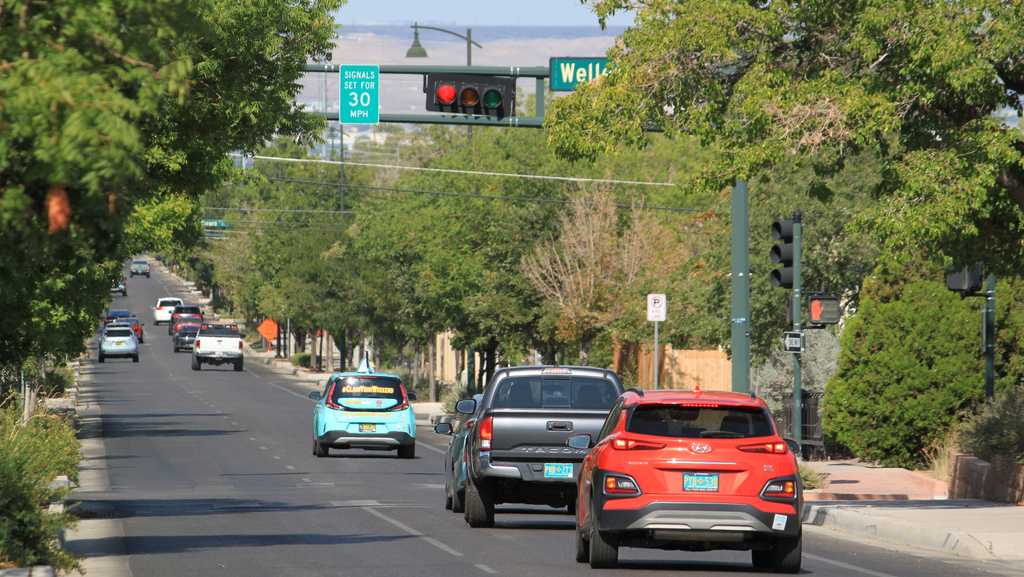
Albuquerque and Portland are testing a counterintuitive traffic safety idea: reward safe drivers with fewer red lights. KMBC reports that both cities use speed sensors to detect when drivers obey the limit, then shorten wait times at traffic signals. The approach has cut crashes and injuries on dangerous stretches of road where speeding and fatal collisions were common.
How Speed Sensors Reward Safe Drivers
The system works by monitoring vehicle speed. If a car travels at or below the speed limit, the traffic light turns green faster. WBALTV explains that this version of "rest in red" — where signals default to red — gives compliant drivers an incentive. Fast drivers hit more red lights.
Cities roll out the technology during late-night hours on highways with crash histories. KOCO reports that both Albuquerque's residential corridors and Portland's busy stretches saw significant drops in injuries after implementation.
Early Results Show Fewer Crashes and Deaths
Preliminary data is encouraging. KOAT found that crash rates fell noticeably on roads where the system was installed. Injuries declined alongside accidents. The technology targets the worst offenders: roads where fatal collisions and high-speed crashes had become routine.
Critics Worry About Unintended Consequences
Not everyone backs the idea. WMTW reports that Jay Beeber, chief government affairs officer for the National Motorists Association, raised concerns about potential side effects. He worried the system could create unexpected problems. Beeber did not specify what risks he saw.
Supporters argue the benefits outweigh doubts. Safe drivers save time. Reckless drivers face delays. WISN notes the approach treats traffic signals as a tool for behavior change rather than just traffic flow.
Sentiment
NeutralNEGATIVENEUTRALPOSITIVE
Publishers
11
Articles
11
Reach
11
A
AnonymousAuthor


