Iran Protest Execution
Iran Executes Man Convicted of Ramming Police During January Protests, Amid Surging Capital Punishments
Key Points
Casualty tallies from the January protests diverge widely: Iranian authorities say more than 3,000 people died, while NGO-led tallies cited by other outlets have put total deaths much higher (for example around 22,000, with about 6,000 confirmed and 17,000 under investigation), and Hengaw reports roughly 440 executions in the first seven months of 2026.
Location and specifics of the attack: the January incident involved a car ramming at the Golzar intersection in Karaj, west of Tehran, injuring seven police officers (including head, legs, arms and eyes) and leading to the attacker fleeing and setting his vehicle on fire.
Legal process details: Iran’s Supreme Court upheld Shahram Sadeghi’s death sentence after the Karaj Islamic Revolution Court’s decision, with asset confiscation included in the ruling.
International human rights context: Amnesty International states Iran has the second-highest execution rate in the world after China, highlighting the broader trend of rising executions amid the protests and war context.
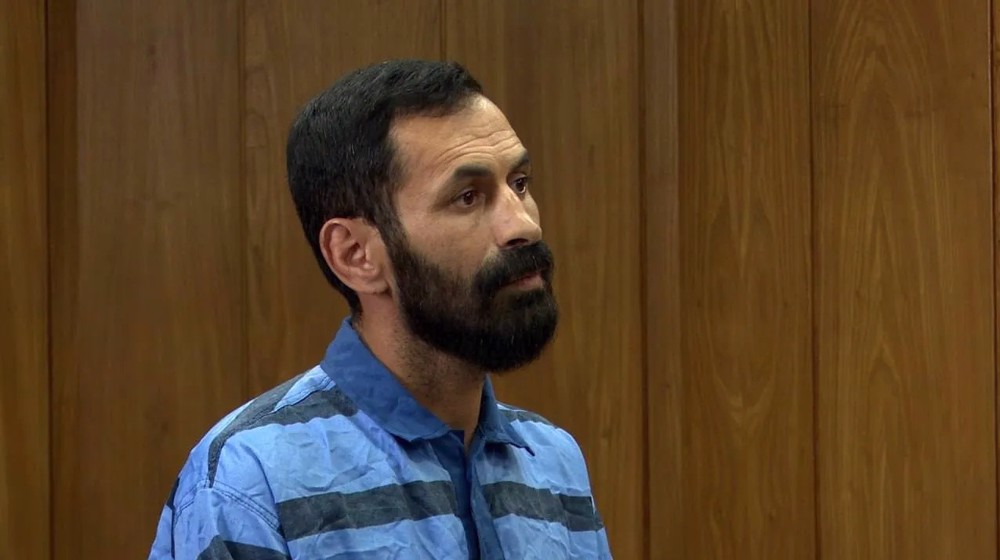
Iran has executed Shahram Sadeghi, a man convicted of ramming his car into police officers during anti-government protests in January, according to i24 News and Press TV. The attack happened at the Golzar intersection in Karaj, west of Tehran, injuring seven officers before Sadeghi fled and set his vehicle on fire.
Iran's Supreme Court upheld the death sentence handed down by the Karaj Islamic Revolution Court. The ruling also included the confiscation of Sadeghi's assets, according to Daily Tribunal. Iranian authorities described the attack as an "operational action" carried out in support of Israel and the United States.
Car Ramming Charges Tied to Foreign Spy Allegations
Iranian authorities charged Sadeghi with more than just the car attack. Yahoo News reported that Iran also accused him of spying for Israel and the United States. Rights groups say Iranian authorities routinely use espionage charges to silence dissidents and protesters, framing domestic unrest as foreign interference.
The January protests were initially sparked by the high cost of living, according to 24 News HD. But Iranian authorities have labeled the unrest "foreign-backed riots" and blamed outside powers for stirring violence. Sadeghi's case fits a broader pattern of the government linking protest-related charges to geopolitical enemies.
Executions Surge Amid Protests and Wartime Crackdown
Sadeghi's execution is not an isolated case. Rights group Hengaw documented roughly 440 executions in just the first seven months of 2026. That is a sharp rise from prior years. Amnesty International states Iran has the second-highest execution rate in the world, behind only China.
Iranian authorities say more than 3,000 people died during the January protests. But NGO tallies paint a much darker picture — around 22,000 total deaths, with about 6,000 confirmed and 17,000 still under investigation. The gap between official and independent counts is enormous and contested.
Iran Blames Israel and US for Fueling Street Unrest
Iranian state media has consistently framed the protests as a coordinated foreign attack. Press TV described Sadeghi's crime as support for the "Zionist regime" and America. This framing intensified after February, when the US-Israel military campaign against Iran began, giving authorities a wider political lens to apply to protest cases.
The war's start appears to have accelerated the judicial crackdown. Authorities have linked many executions directly to the protests and the broader conflict. Critics argue that the war has given Iran's judiciary cover to fast-track capital sentences against demonstrators and political opponents.
Rights Groups Warn of Widening Crackdown on Protesters
Human rights organizations say security forces used lethal force against protesters during the January unrest. They warn that executions tied to the protests are being carried out with little due process. The rapid pace of trials and appeals — from a local court to the Supreme Court — leaves little room for defense.
i24 News noted that Sadeghi's case drew international attention as a sign of how Iran is handling post-protest accountability. With hundreds of executions already recorded in 2026 and the war still ongoing, rights groups warn the number is likely to keep climbing.
Sentiment
Mostly NegativePublishers
13
Articles
9
Reach
22


