Somalia Nutrition Crisis Deepens
UNICEF Warns Hundreds of Somali Nutrition Facilities Closing Due to Sharp Aid Cuts
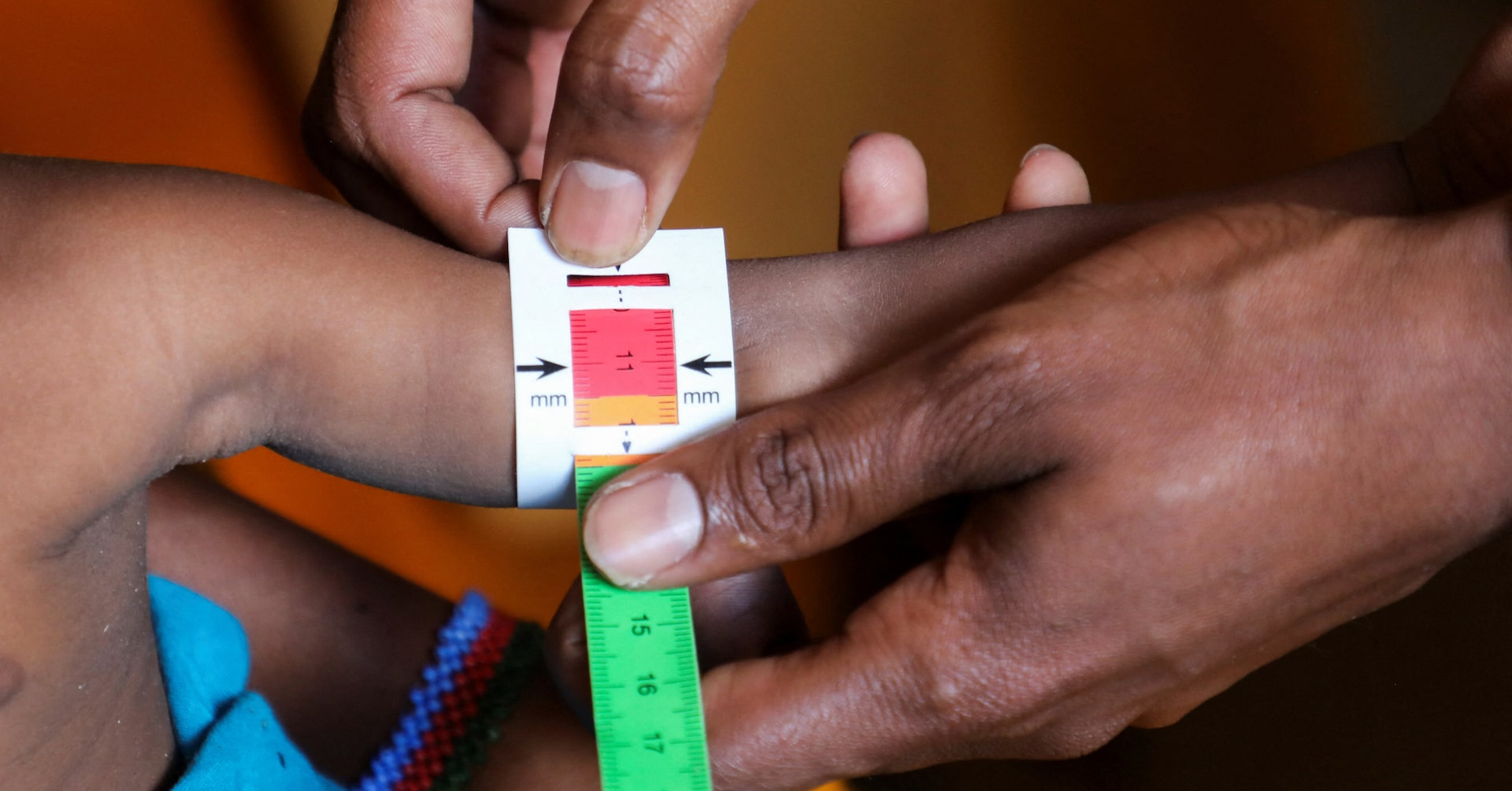
Somalia's child hunger crisis is worsening rapidly as health facilities close across the country due to slashed humanitarian aid. According to UNICEF, 205 health and nutrition centers have already shut down, with as many as 618 more at risk of closing nationwide. Nearly 1.9 million children in Somalia are expected to be malnourished this year, marking a troubling trend that threatens millions of young lives.
Funding cuts have reached crisis levels, with support for acute malnutrition programs dropping by more than 80% this year. UNICEF reports a 32% surge in children admitted to treatment facilities with severe acute malnutrition and medical complications. As facilities close, mothers must travel farther to get help for their children, raising the risk of preventable deaths.
Closures Force Families to Travel Dangerous Distances
The shutdown of 205 facilities has already created serious obstacles for families seeking medical care. UNICEF warns that if the remaining 413 threatened facilities close, entire regions will lack proper nutrition and health services. Mothers and babies will be forced to undertake long, difficult journeys to reach the nearest open clinic. Many cannot afford the travel costs or time away from work and other children.
In rural Somalia, longer distances mean delayed treatment for malnourished children. Each day without care increases the danger of permanent disability or death. Preventable illnesses like diarrhea and respiratory infections become deadly without prompt medical intervention. The closures create a direct threat to child survival rates across the nation.
Malnutrition Cases Spike by Nearly One-Third
Hospital admissions for severe acute malnutrition jumped 32% compared to previous years, according to UNICEF. This sharp rise reveals the deepening scope of the hunger crisis among Somalia's youngest and most vulnerable children. Severe acute malnutrition causes wasting—children become dangerously thin and weak. Complications from malnutrition include infections, organ failure, and developmental delays.
The 1.9 million malnourished children expected this year face heightened risks without adequate nutrition programs. UNICEF reports that children with severe acute malnutrition need specialized medical feeds, antibiotics, and close monitoring. Without these services, many will not survive to adulthood. The spike in cases shows the crisis is accelerating, not stabilizing.
Funding Collapse Leaves Programs Without Resources
Humanitarian aid for acute malnutrition treatment has plummeted by more than 80% this year, creating an impossible situation for aid organizations. UNICEF and partner agencies cannot staff facilities, purchase medicine, or distribute food supplements with such dramatic funding reductions. Organizations have been forced to prioritize limited resources to the most critical cases. Many regions receive no services at all.
The funding collapse reflects broader donor fatigue and competing global crises pulling attention and money elsewhere. Without restored funding, UNICEF projects conditions will worsen significantly in coming months. The agency is calling for urgent international support to reverse these cuts and prevent mass casualties. Time is running out for Somalia's children.
Sentiment
NeutralPublishers
8
Articles
8
Reach
8


