Crisis Shootings
Houston Security Guard and LAPD Officers Shoot Men During Separate Crises
Anonymous
Key Points
1
Houston police said the patient had been admitted to the hospital at about 6 p.m. and was taken to a secluded room at the back of the emergency department before the confrontation.
2
The Houston shooting was reported at approximately 8:55 p.m. at Memorial Hermann Memorial City Medical Center on Gessner Road, and the guard reportedly shot the patient multiple times in the torso.
3
The Los Angeles incident was reported at 9:54 a.m. in the 600 block of Gillette Street; authorities initially said the man’s condition was unclear, and no other injuries had been reported.
4
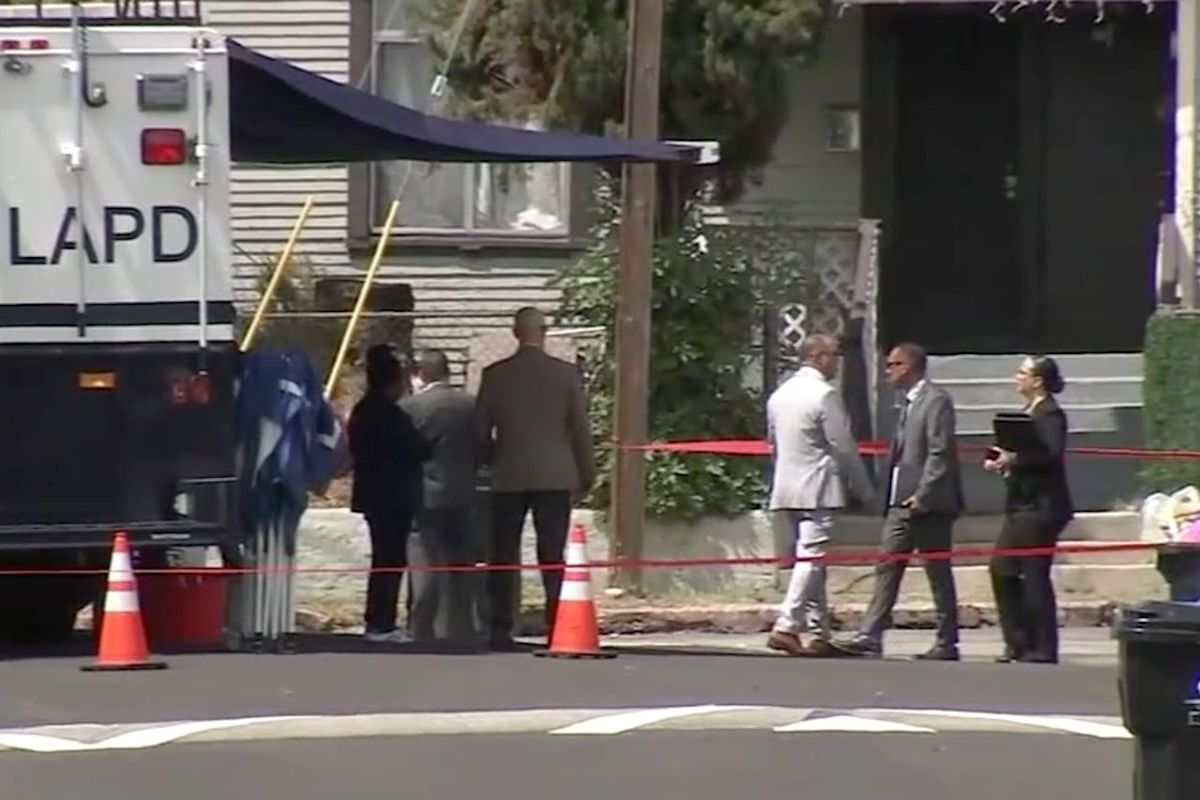
A KTLA reporter at the Boyle Heights scene said no pipe was visible, but a pole saw was seen on the sidewalk near where the man had been treated, marked as evidence; the LAPD had not initially confirmed that an officer-involved shooting had occurred.
Security guards and police officers shot and killed two people during mental health crises this week—one at a Houston hospital emergency room and another on a Los Angeles street. ABC13 reported that a 31-year-old patient was fatally shot by a security guard at Memorial Hermann Memorial City after allegedly wielding a knife and refusing orders to drop it. Yahoo News reported that LAPD officers fatally shot a man in Boyle Heights on Monday morning after he approached them carrying a large tree trimmer or pole saw with a serrated blade.
Both incidents are now under investigation. Houston Police said three guards used Tasers on the patient before one fired; the case will go before a grand jury. LAPD's Force Investigation Division is reviewing witness accounts, officer interviews, and video footage to determine whether the Boyle Heights shooting followed department policy and state use-of-force standards.
Houston Hospital Shooting Escalates After Failed De-escalation
The Houston incident occurred at approximately 8:55 p.m. Saturday at Memorial Hermann Memorial City Medical Center on Gessner Road. ABC13 reported the patient had been admitted around 6 p.m. and was taken to a secluded room in the emergency department before the confrontation. Security guards used Tasers multiple times, but Houston Police said the patient regained his footing, reached for the knife, and one guard fired multiple times in the torso.
The case is expected to go before a grand jury. Hospital settings create unique challenges because they combine confined spaces, vulnerable patients, and medical equipment with limited room for distance or escape. De-escalation and coordinated security responses are especially critical when patients experience psychiatric emergencies in these high-stakes environments.
Los Angeles Officers Respond to Armed Man in Boyle Heights
LAPD officers responded Monday at 9:54 a.m. to the 600 block of Gillette Street after reports of an armed, possibly mentally ill man. Yahoo News reported the man was carrying a large tree trimmer or pipe with an approximately 12-inch serrated blade and continued advancing after officers ordered him to drop it. Officers provided medical aid before he was transported to a hospital.
Early reports conflicted on the weapon's exact description. Carrillo Firm initially reported the man held a pipe, while Yahoo News and My News LA later identified it as a tree trimmer or pole saw. A KTLA reporter at the scene confirmed a pole saw was visible on the sidewalk marked as evidence, though no pipe was found.
Investigation Examines Whether Force Met Legal Standards
LAPD's Force Investigation Division is now reviewing witness accounts, officer interviews, and body-camera footage. The central legal question is whether officers reasonably perceived an imminent threat of death or serious bodily injury at the moment they fired. California law requires investigators to assess the totality of circumstances—including distance, the victim's movements, warnings given, available alternatives, and the weapon's capability.
These cases highlight how people in crisis—experiencing mental illness, emotional distress, or psychiatric episodes—often encounter armed responders with limited de-escalation tools. Federal guidance recommends integrating behavioral-health expertise and less-lethal options when responding to mental-health emergencies. However, investigators must determine whether immediate threats justified deadly force in each specific situation.
Sentiment
Mostly NegativeNEGATIVENEUTRALPOSITIVE
Publishers
13
Articles
9
Reach
22
A
AnonymousAuthor


