German-Algerian Energy Partnership
Germany Pursues Algerian Gas and Green Energy Deals to Secure Winter Supply
Anonymous
Key Points
1
Germany’s gas storage is currently about 53% full (EU average around 65%), with a government mandate that storage facilities be at least 80% full by November 1, underscoring the urgency to diversify supply amid ongoing energy volatility.
2
The Algeria talks include a German business delegation with specific utilities and engineering firms — Bosch Energy, thyssenkrupp Uhde, VNG, Siemens Energy and FEV — signaling concrete industry-driven momentum behind long-term supply deals.
3
Beyond gas, the partnership aims to develop green hydrogen and green ammonia, including the manufacture of related equipment (electrolysers) and the proposed SoutH2 Corridor, with training and capacity-building as part of closer collaboration on low-carbon technologies.
4
Algeria and Senegal are formalizing energy cooperation via a Sonelgaz-Senelec memorandum to be signed in early October, followed by a December 3 intergovernmental framework agreement to broaden collaboration in energy and renewables, including knowledge transfer and joint projects.
5
Germany’s security stance amid tensions with Russia was underscored by Wadephul regarding a drone incident near Leipzig airport; investigations are nearing completion with coordination planned with NATO and EU allies, and a firm message that Germany will not be intimidated.
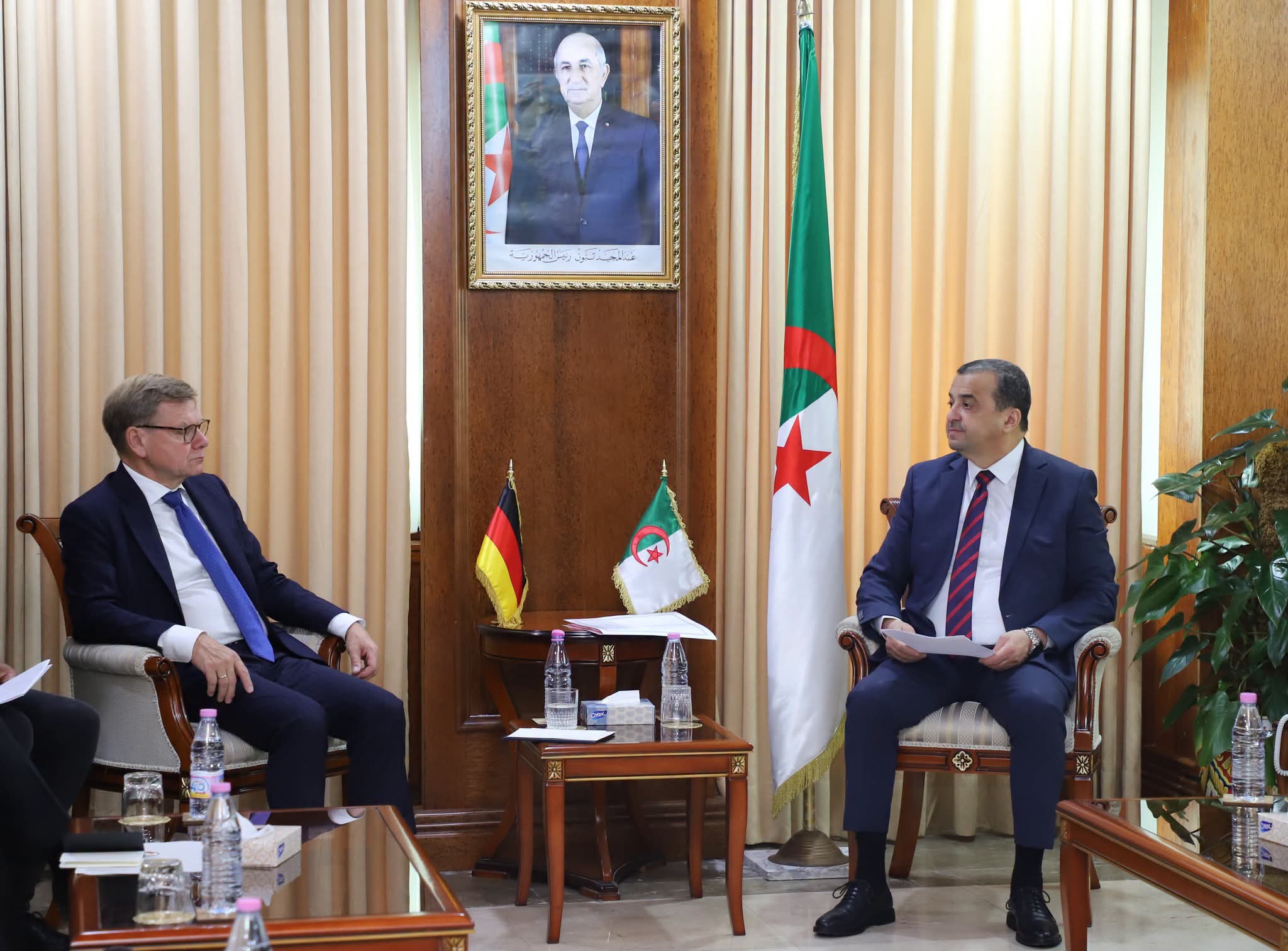
Germany is pushing Algeria for long-term gas contracts to fill storage shortages before winter arrives. Indexbox reports that Foreign Minister Johann Wadephul visited Algiers seeking supply deals as Berlin works to boost its energy independence from Russia. Germany's gas storage sits at only 53% capacity, below the EU average of 65%, with a government mandate requiring 80% full reserves by November 1.
The talks extend beyond fuel to include oil, petrochemicals, and clean energy technologies like green hydrogen and green ammonia. Dzair-Tube notes Algeria and Germany are exploring the SoutH2 Corridor project and equipment manufacturing partnerships. Germany's business delegation includes major industrial players like Siemens Energy, thyssenkrupp Uhde, and Bosch Energy, signaling serious intent to lock in long-term supply agreements.
Why Germany Needs Algerian Gas Now
Russia's reduction of gas supplies has forced Germany to scramble for alternatives. Winter demand peaks in just months, and storage levels remain dangerously low. Yahoo News reports storage depots are only about half full as autumn approaches. Germany must reach 80% capacity by November 1 to avoid shortages during peak heating season when demand spikes dramatically.
Algeria offers a reliable non-Russian source with existing pipeline infrastructure to Europe. Unlike seaborne liquefied natural gas, which requires expensive facilities, Algeria can ship gas through existing lines. Long-term contracts provide Germany the security it needs to guarantee winter supplies and prevent price shocks.
Green Energy and Industrial Partnership Expanding
The Germany-Algeria partnership extends well beyond traditional gas deals. Dzair-Tube reports the countries are developing green hydrogen and green ammonia production. This includes building electrolysers—machines that split water into hydrogen and oxygen—and training local technicians to operate these facilities.
Germany sent a high-level industrial delegation featuring companies like Siemens Energy and thyssenkrupp Uhde. These engineering firms bring expertise in building and managing energy infrastructure. The proposed SoutH2 Corridor would transport green hydrogen from North Africa to Europe, reducing carbon emissions while securing energy supply.
Algeria and Senegal Forge Wider Regional Energy Ties
Algeria's energy strategy extends beyond Germany. Dzair-Tube reports Algeria and Senegal are formalizing an energy cooperation framework signed by state utilities Sonelgaz and Senelec in early October. A full intergovernmental agreement follows on December 3 to deepen collaboration across electricity, renewables, and cross-border projects.
The North African push signals a broader strategy to strengthen ties with Europe while building regional energy security. Knowledge transfer and joint infrastructure projects will connect West Africa to European markets. This positions Algeria as a critical energy hub linking North Africa, West Africa, and Europe.
Germany Signals Firm Response to Russian Pressure
As Germany diversifies its gas supply, Berlin is also hardening its stance against Russia. Foreign Minister Wadephul addressed a drone incident near Leipzig airport and said investigations are nearing completion with NATO and EU coordination planned. He delivered a clear message: Germany will not be intimidated by Russian actions.
The dual strategy—securing alternative energy sources while reinforcing security alliances—reflects Germany's determination to break free from Russian leverage. By locking in Algerian gas and building green hydrogen infrastructure, Berlin aims to achieve long-term energy independence while signaling resilience against external pressure.
Sentiment
Mostly PositiveNEGATIVENEUTRALPOSITIVE
Publishers
11
Articles
12
Reach
23
A
AnonymousAuthor


