Maritime Security Challenges Span Atlantic, Indo-Pacific
Maritime Security Challenges Span Atlantic, Indo-Pacific
Anonymous
Key Points
1
The Atlantic Council seminar is part of the Indo-Pacific Security Initiative’s “Cross-Strait and Beyond” series and is being held in partnership with the Taipei Economic and Cultural Representative Office in the United States. The initiative focuses on China’s growing challenge to the regional order and North Korea’s nuclear advances.
2
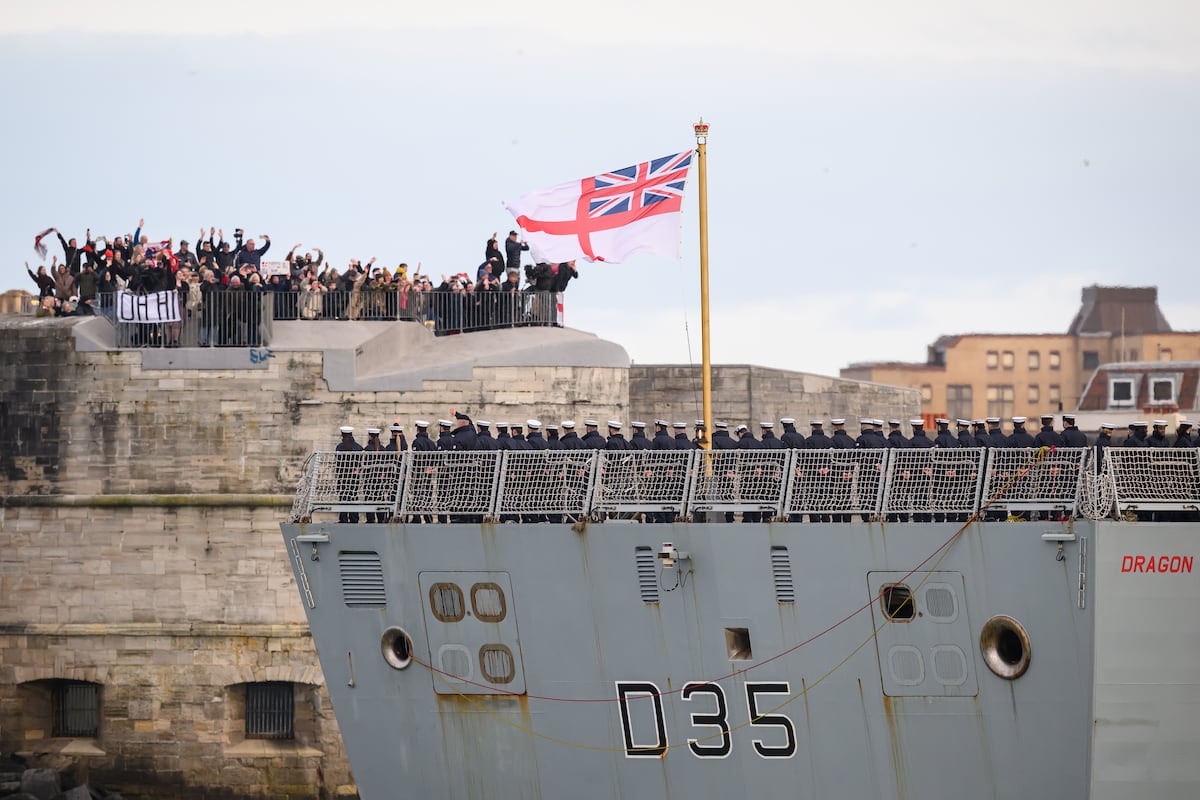
Britain’s dependence on Atlantic shipping is extensive: nearly all of its trade, energy, food, raw materials and exports move through maritime routes. First Sea Lord Gwyn Jenkins described this as a “dangerous paradox,” arguing that the Atlantic is increasingly vital even as it becomes less visible in the public consciousness.
3
Vietnam’s shipowners warned that failure to meet international emissions requirements could lead to ships being denied entry to foreign ports or fined. The country has already implemented the International Maritime Organization’s carbon-intensity index, which assesses vessels according to emissions relative to distance traveled.
4
The expansion of maritime activity has also delivered major economic benefits: with roughly 80% to 90% of global goods traded by sea, the growth of shipping and related industries has helped lift people out of poverty in the Global South and elsewhere, according to Professor Edmunds.
5
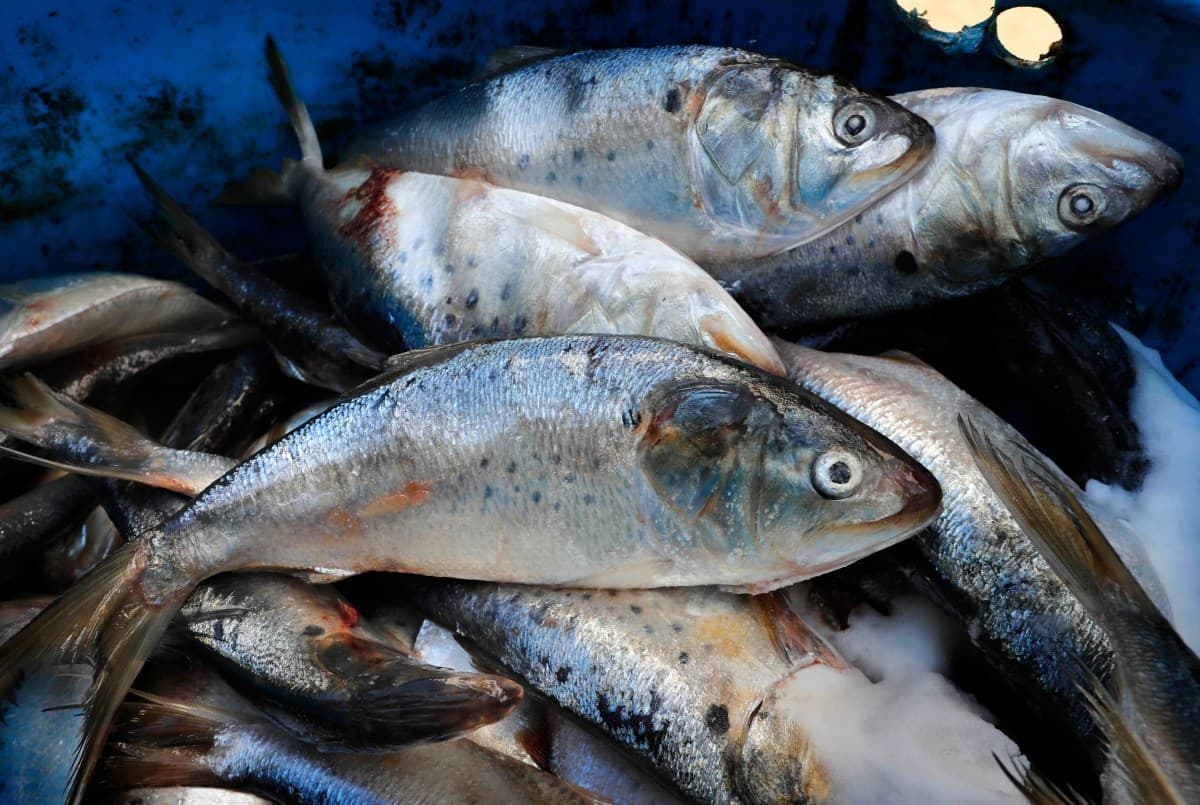
Experts warned that deep-sea mineral extraction could produce “worrying and unknown environmental consequences,” while climate change and shifting fish stocks may alter migration patterns and intensify geopolitical tensions between countries competing over marine resources.
Maritime security is emerging as a critical global challenge as military, economic and environmental pressures intensify across the world's oceans. UK Navy Chief warned that Russia's growing activity near the North Atlantic threatens critical undersea infrastructure, while the Atlantic Council is launching a seminar to examine how Taiwan, the US and regional partners can counter China's influence along Asia's first island chain. Expert noted that roughly 80% to 90% of global goods move by sea, making ocean security vital to global trade and prosperity.
Britain's Atlantic Vulnerability Grows
The United Kingdom depends almost entirely on Atlantic shipping for survival. Nearly all of Britain's trade, energy, food and raw materials arrive by sea. First Sea Lord Gwyn Jenkins called this a "dangerous paradox" — the Atlantic is more vital than ever, yet receives little public attention. Russia's increased naval activity and threats to undersea cables now demand immediate British naval reinforcement.
Taiwan's First Island Chain Faces Growing Pressure
The Atlantic Council's Indo-Pacific Security Initiative is hosting a seminar titled "Cross-Strait and Beyond" to examine how Taiwan, the United States and regional partners can strengthen deterrence along Asia's first island chain. The initiative, partnering with the Taipei Economic and Cultural Representative Office, focuses on China's expanding military challenge and North Korea's advancing nuclear program. The seminar aims to build resilience against mounting security threats in one of the world's most strategically important regions.
Vietnam Seeks Support for Cleaner Shipping
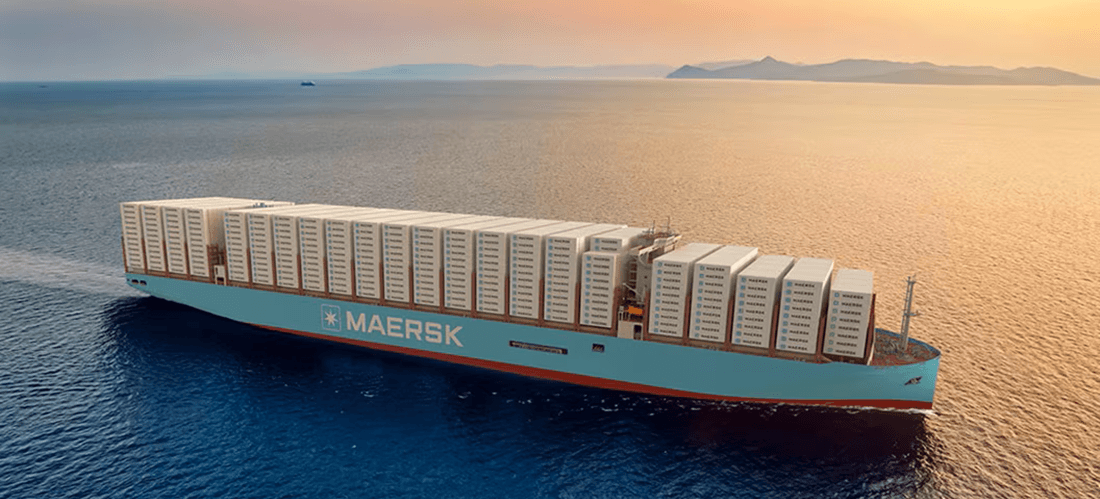
Vietnam's shipping industry is pushing governments for financial and regulatory help to reduce emissions. Shipowners warned that failing to meet international standards could result in vessels being denied port entry or facing fines. Vietnam has already adopted the International Maritime Organization's carbon-intensity index, which measures emissions per distance traveled. The country faces a difficult choice: older vessels are cheaper to operate, but new technology costs far more than many owners can afford.
Environmental Risks Mount With Expanding Ocean Activity
Rapid growth in shipping, fishing and offshore development is creating serious environmental dangers. Experts warned that deep-sea mining could cause "worrying and unknown environmental consequences" while threatening biodiversity. Climate change is shifting fish stocks and migration patterns, intensifying disputes between nations competing for marine resources. Yet Professor Edmunds noted that maritime industries have lifted millions out of poverty globally. Balancing economic growth with environmental protection remains the central challenge facing ocean governance.
Sentiment
Mostly NegativeNEGATIVENEUTRALPOSITIVE
Publishers
15
Articles
5
Reach
20
A
AnonymousAuthor