AI Copyright Settlement
Bloomsbury to receive substantial cash boost from Anthropic's US$1.5 billion AI copyright settlement.
Anonymous
Key Points
1
Bloomsbury shows a strong financial position with net cash of £29.2 million as of 28 February 2026 and a low-leverage balance sheet, suggesting the windfall could help reduce interest costs and support organic growth, debt reduction, and bolt-on acquisitions.
2
Analysts note Bloomsbury’s valuation as attractive, highlighting a relatively low price-to-earnings ratio alongside a healthy dividend yield, even before considering the AI settlement windfall.
3
There is a discrepancy among reports about whether the approximately US$3,000 per title payout is after fees or before fees; some outlets cite after-fees payments, while court documents note that the amount is subject to attorney fees and other expenses (less attorney fees).
4
The case centers on Anthropic's use of Bloomsbury works to train its Claude AI model, underscoring ongoing tensions around intellectual property rights and licensing in the AI era.
Bloomsbury Publishing is set to receive around US$20 million from a US$1.5 billion copyright settlement with AI company Anthropic, according to MarketScreener. The deal — described as the largest known copyright payout in history — stems from Anthropic's unauthorized use of Bloomsbury titles to train its Claude AI model.
A court approved the US$1.5 billion settlement after 14,087 Bloomsbury titles were identified in the class action. Each title will earn roughly US$3,000, split between authors and the publisher. Payments will begin in the second half of Bloomsbury's current financial year, Yahoo Finance reported.
How Bloomsbury's $20 Million Payout Will Be Split
Of the roughly US$3,000 per title, payments will be divided between Bloomsbury and the authors whose works were used. MarketScreener noted that attorney fees and other expenses may reduce the final amounts, and some reports differ on whether the US$3,000 figure is before or after legal costs are deducted.
The total sum flowing to Bloomsbury is expected to land around US$20 million. The company called the windfall a "non-recurring" cash boost — meaning it is a one-time gain, not a sign of ongoing income. Bloomsbury's net cash already stood at £29.2 million as of 28 February 2026.
Anthropic Used Bloomsbury Titles to Train Claude AI
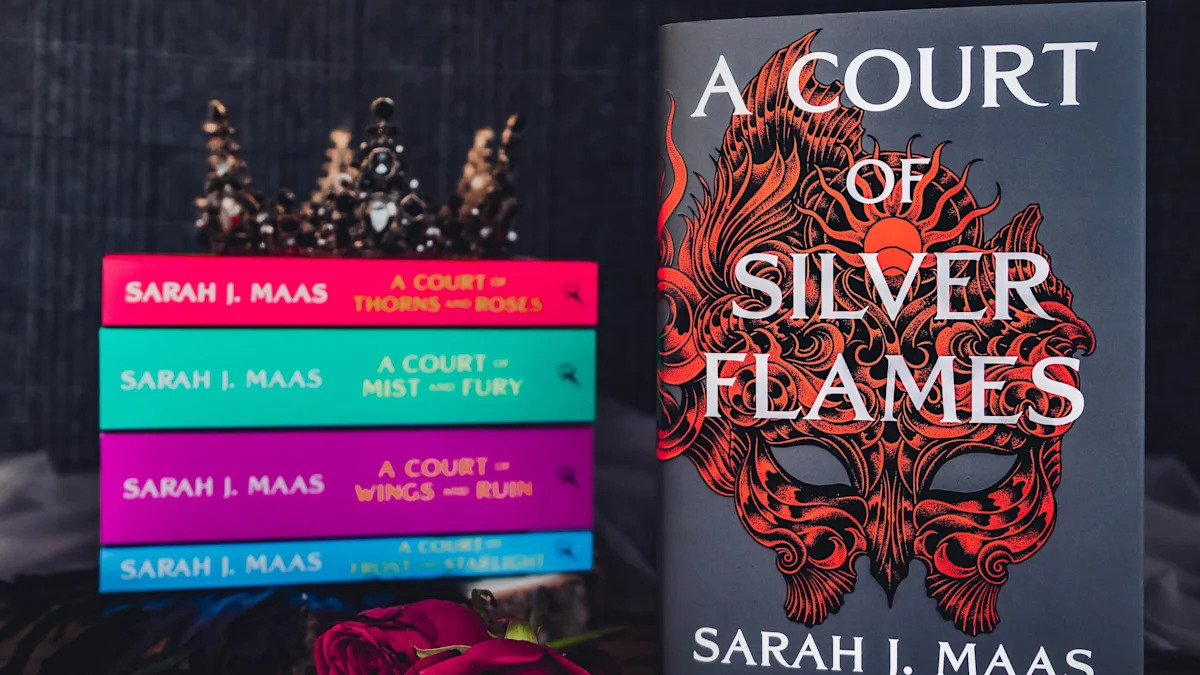
The case centres on Anthropic's use of copyrighted books to build its Claude AI model without permission or payment. Bloomsbury — publisher of Harry Potter and bestsellers by Sarah J. Maas — had 14,087 titles swept up in the training data, according to Yahoo Finance UK.
The settlement reflects deep tension between AI developers and content owners. Publishers and authors argue that AI firms got a free ride on decades of creative work. The Bloomsbury case may now push other AI companies toward licensing deals rather than risk billion-dollar lawsuits.
Bloomsbury Plans to Use Windfall for Growth and Dividends
Management said the cash will support four priorities: organic investment in the business, debt reduction, dividend payments, and selective acquisitions. LSE reported that Bloomsbury's low-leverage balance sheet means the windfall could cut interest costs while also funding smaller bolt-on deals.
Analysts note that Bloomsbury's valuation already looks attractive — with a low price-to-earnings ratio and a healthy dividend yield — even before the settlement cash arrives. The payout adds a short-term boost to a company already seen as undervalued by the market.
A Landmark Deal That Could Reshape AI Licensing
The US$1.5 billion total settlement is the largest copyright payout ever tied to AI training data. Yahoo Finance described it as a record-breaking class action result that could set the tone for how AI firms pay — or negotiate — for access to published works going forward.
The deal signals that publishers' back catalogues now carry real legal and financial weight in the AI age. If Anthropic must pay US$1.5 billion for past use, future AI model builders may have little choice but to strike licensing deals upfront — changing the economics of the entire industry.
Sentiment
Mostly PositiveNEGATIVENEUTRALPOSITIVE
Publishers
11
Articles
75
Reach
86
A
AnonymousAuthor


