Ceuta Migrant Surge Response
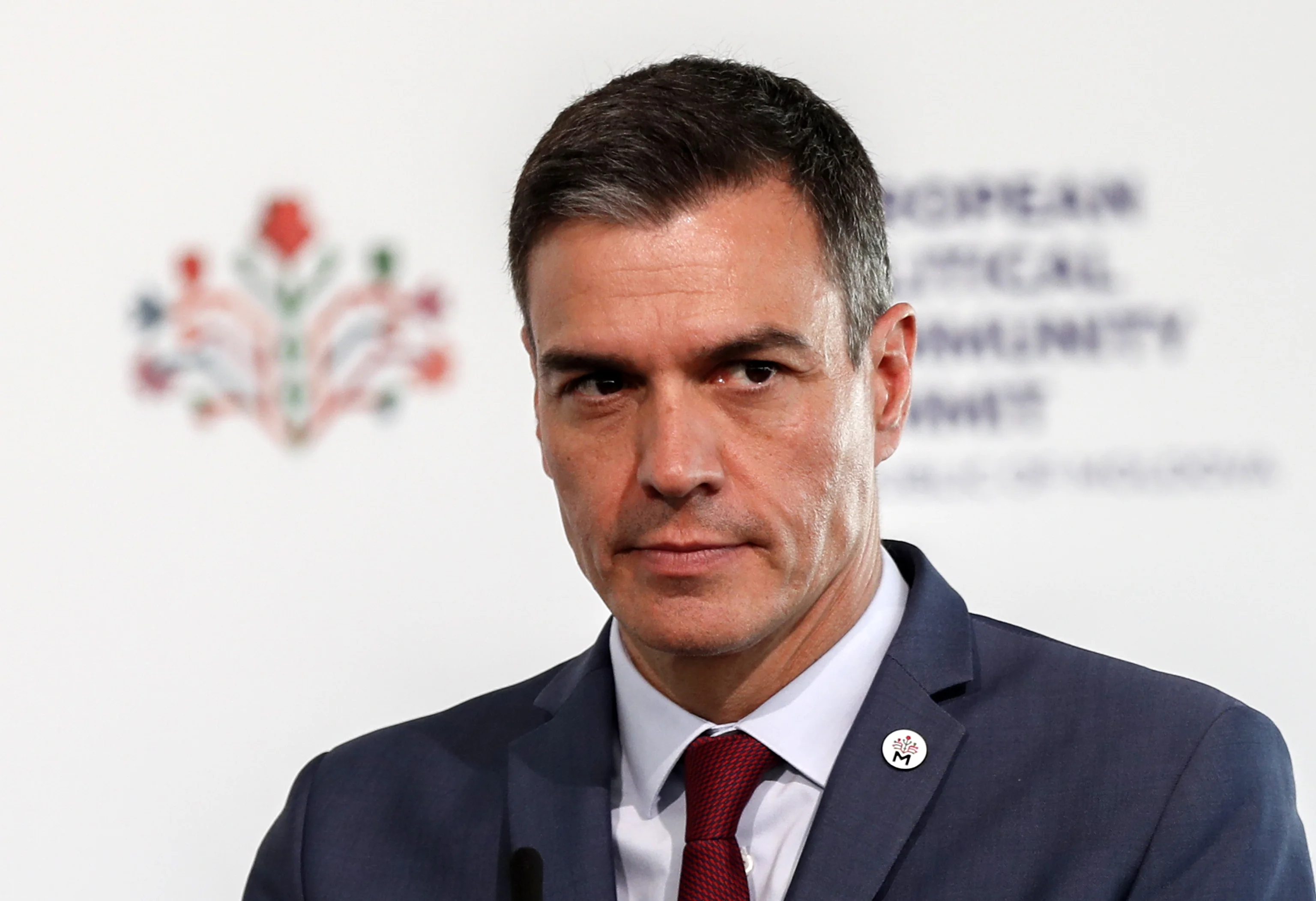
Spanish PM Pedro Sánchez Rules Out Moroccan Involvement in Ceuta Migrant Surge
Anonymous
Key Points
1
Moroccan authorities reinforced border controls in Fnideq near Ceuta following the July arrivals, with Morocco's Interior Ministry stating the events were not the result of temporary or spontaneous circumstances and attributing them to factors such as exploitation of digital platforms, misinformation, human trafficking networks and misinterpretations of Spanish provisions.
2
Ceuta’s migrant accommodation capacity was around 3,300, and a Friday agreement between the central government and the autonomous city aimed to raise this to 6,000 active places quickly to handle arrivals.
3
From July 26 to 29, several meetings between Ceuta authorities and the General State Administration were held as a spike in entries was detected, after which border controls were reinforced and the CETI facility was being prepared to handle new arrivals.
4
Spain’s intelligence framework saw a boost, with the CNI budget rising from 280 million euros in 2018 to 445 million euros, reflecting heightened investment in national intelligence capabilities.
Spanish Prime Minister Pedro Sánchez has ruled out Moroccan government involvement in the July Ceuta migrant crisis, which saw approximately 80,000 arrivals over two days. Euractiv reported that Sánchez blamed social media disinformation for triggering the surge, stating that Spanish intelligence services found no evidence of Moroccan foreknowledge or coordination in the event.
Morocco's government reinforced border controls near Ceuta immediately after the arrivals, Yabiladi reported. Moroccan authorities attributed the crisis to exploitation of digital platforms, human trafficking networks, and misinterpretations of Spanish migration policies — not deliberate state action.Yabiladi
No Intelligence Pointing to Moroccan Foreknowledge
Sánchez defended his government's response by emphasizing that Spanish intelligence agencies discovered no advance warning of the crisis's magnitude. Reports from the CNI (Spain's intelligence service) and National Police existed in the days before July 30, but none predicted an influx of 80,000 people, Democrata reported. He stressed that distinguishing between routine alerts and catastrophic events remains a core intelligence challenge.
Morocco Quickly Tightened Border Security
Morocco's Interior Ministry responded swiftly by reinforcing controls in Fnideq, the border town adjacent to Ceuta. The government stated the arrivals were not spontaneous or temporary but the result of deliberate exploitation by smugglers and misinformation on social platforms. Yabiladi noted Morocco characterized the crisis as driven by external actors rather than state policy.
Compromís Challenges Sánchez's Narrative on Morocco
Opposition lawmakers rejected Sánchez's exoneration of Morocco. Democrata reported that Alberto Ibáñez, a deputy from Compromís, criticized the Prime Minister for excluding Moroccan authorities from accountability. Ibáñez called for a stronger, coherent government strategy addressing Morocco's role while also tackling humanitarian demands like transferring unaccompanied minors and providing shelter.
Spain Expands Intelligence Budget and Misinformation Monitoring
Sánchez's government has significantly increased intelligence investment to prevent future crises. Democrata noted that the CNI budget rose from €280 million in 2018 to €445 million, reflecting heightened focus on monitoring digital platforms and detecting coordinated disinformation. Meanwhile, Ceuta's migrant accommodation capacity was raised from 3,300 to a target of 6,000 places through a Friday agreement with local authorities.
Sentiment
Mostly NegativeNEGATIVENEUTRALPOSITIVE
Publishers
12
Articles
2
Reach
14
A
AnonymousAuthor


