Gulf Tensions Escalate
Qatar Intercepts Missile Attack in Doha Following US-Iran Regional Strikes
Anonymous
Key Points
1
CENTCOM launched a wave of strikes against Iranian command centers, air-defense sites, and missile capabilities near the Strait of Hormuz, with Iran reportedly retaliating via drone and missile strikes against US forces in Kuwait and Bahrain, triggering local air defenses.
2
Qatar’s interior ministry raised the security threat level to 'high' and urged residents to stay indoors and avoid handling any unidentified debris following the intercepted missile attack.
3
Allied states in the region, including Egypt, the United Arab Emirates and Jordan, condemned the violation of Arab sovereignty and voiced solidarity with Qatar amid the Gulf tensions.
4
Qatar's defense ministry did not name an attacker behind the missile attack, and AFP reporters noted blasts heard in Doha as the incident unfolded.
5
Prediction-market indicators reflected heightened regional instability, with US-Iran ceasefire odds for July 18 slipping to around 4.5% and Strait of Hormuz traffic-normalization odds down to about 1%.
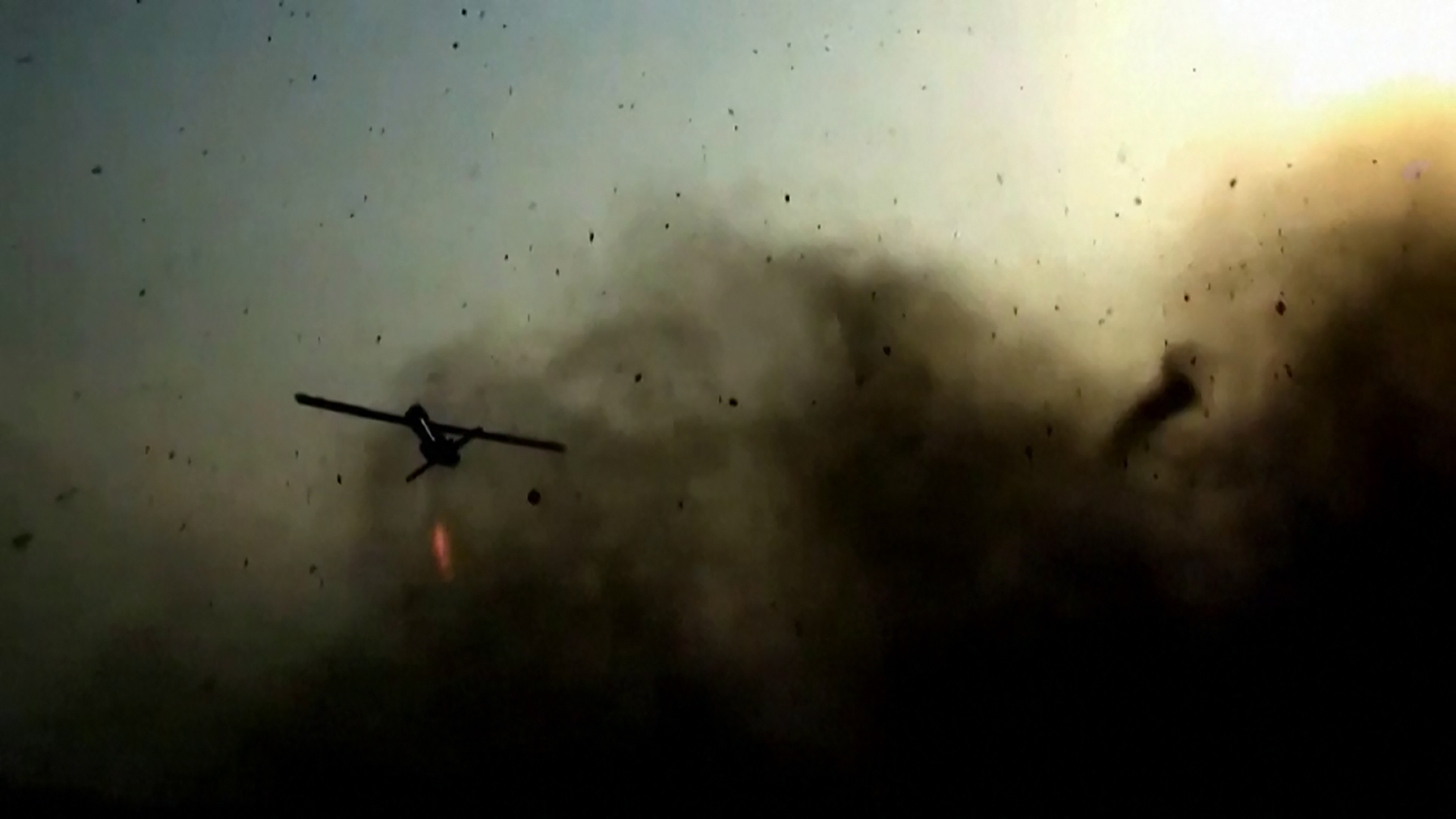
Qatar's armed forces intercepted a missile attack on Doha, the country's defense ministry confirmed, as blasts rang out across the capital Times of Israel. The ministry did not name an attacker. The incident unfolded against a backdrop of escalating US strikes on Iran and Iranian retaliatory strikes on US facilities across the Gulf.
Qatar's interior ministry raised the security threat level to 'high' and urged all residents to stay indoors and avoid touching any unidentified debris Tri-City Herald. The threat was later declared over, officials said.
Blasts Over Doha as Defenses Spring Into Action
AFP journalists on the ground in Doha reported hearing multiple blasts as the attack unfolded Times of Israel. Qatar's defense ministry confirmed its armed forces intercepted the incoming missile strike. No details were given on the number of missiles or the direction they came from.
Authorities moved quickly to reassure the public. The interior ministry told residents to stay home and not handle debris from the interception. Within hours, the same ministry announced the security threat had passed Tri-City Herald.
US Strikes on Iran Set Off a Chain of Retaliation
The Doha incident did not happen in a vacuum. CENTCOM launched strikes on Iranian command centers, air-defense sites, and missile capabilities near the Strait of Hormuz WTVB AM. Iran hit back with drone and missile strikes targeting US forces in Kuwait and Bahrain, activating local air defenses across the Gulf.
Qatar hosts one of the largest US military bases in the Middle East, Al Udeid Air Base. That footprint makes it a potential target in any US-Iran confrontation. Qatar's defense ministry did not draw a direct link between the US-Iran fighting and the attack on Doha KWSN.
Arab Allies Rally Around Qatar With Words of Solidarity
Egypt, the United Arab Emirates, and Jordan all condemned the attack on Qatar Middle East Eye. Each country called it a violation of Arab sovereignty. The show of unity was swift, with statements arriving within hours of the news breaking.
The solidarity was notable given that Qatar and several Gulf neighbors have had tense relations in the recent past. A shared external threat appeared to push old disputes aside, at least for now.
Markets and Prediction Odds Reflect Gulf-Wide Fear
Financial and prediction markets quickly priced in the rising danger. Odds on a US-Iran ceasefire by July 18 fell to around 4.5% KWSN. Odds that Strait of Hormuz shipping traffic would return to normal dropped to roughly 1%. The Strait carries about 20% of the world's oil supply.
Analysts warned that any sustained disruption to Hormuz traffic would send energy prices sharply higher worldwide. The missile attack on Doha added one more data point to a region already on edge, with no clear sign of de-escalation from any side Tri-City Herald.
Sentiment
Mostly NegativeNEGATIVENEUTRALPOSITIVE
Publishers
16
Articles
33
Reach
49
A
AnonymousAuthor


