Hezbollah Disarmament Talks Advance
Britain, Italy, Switzerland, Indonesia Shortlisted for Hezbollah Disarmament Verification in Lebanon
Key Points
A June 2026 US-brokered framework ties Israel's phased withdrawal from Lebanon to Hezbollah's disarmament, with discussions in Rome aimed at implementing that agreement.
Lebanon has already completed the first phase of reform toward a state monopoly on arms, south of the Litani River, a domestic development that underpins the current verification talks.
The negotiations occurred at the US Embassy in Rome, resulting in a shortlist of Britain, Italy, Switzerland, and Indonesia to potentially contribute; Washington will decide which of them participate.
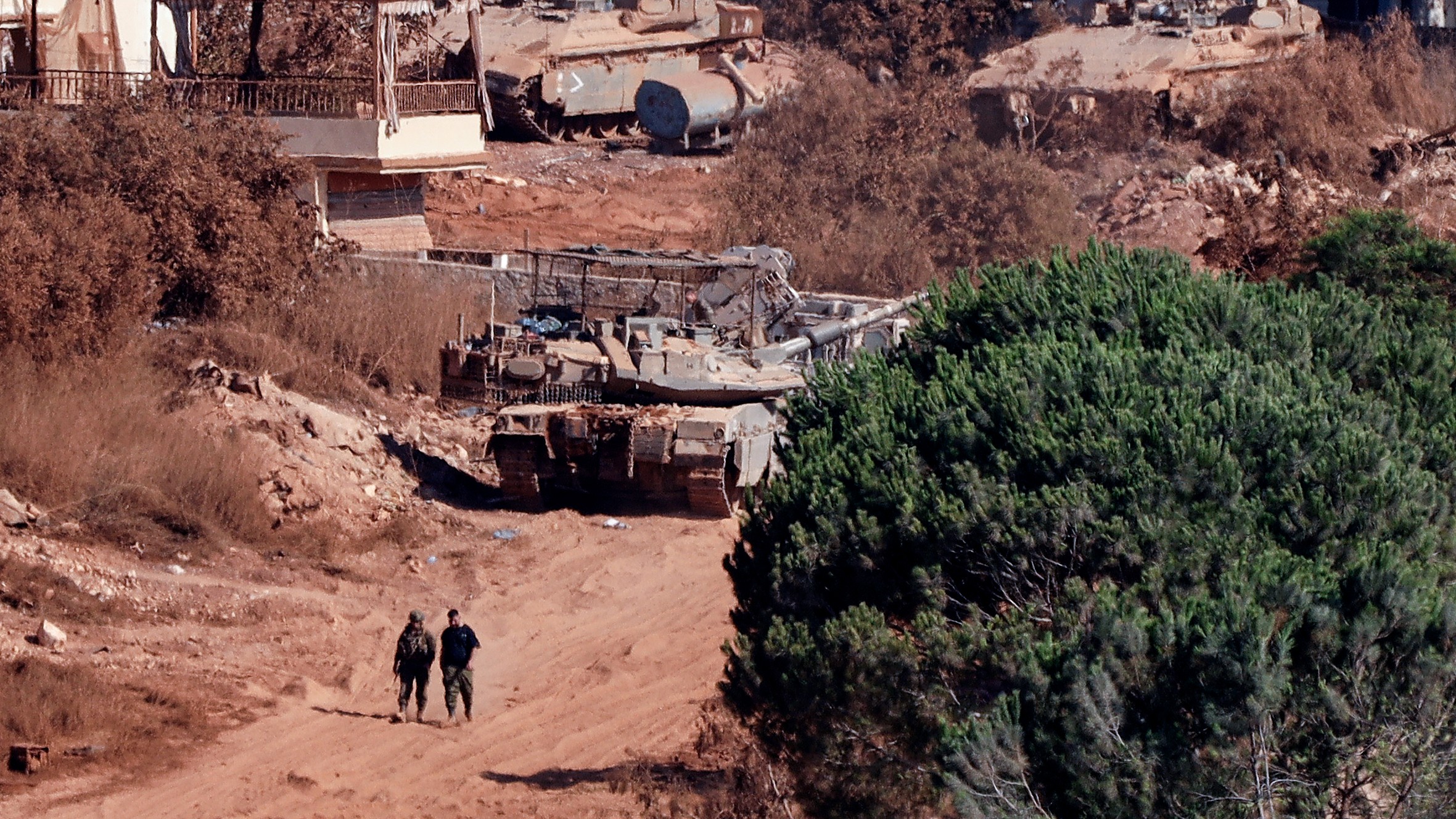
Israel continues to maintain a 10-kilometer security zone into southern Lebanon, a core factor shaping how the verification mechanism could operate on the ground.
The United Kingdom and Switzerland have signaled positions on the process: the UK is ready to support de-escalation and long-term security efforts in southern Lebanon, while Switzerland is exploring ways to back stabilization processes.
Israel and Lebanon have agreed on a shortlist of four countries — Britain, Italy, Switzerland, and Indonesia — to potentially verify Hezbollah's disarmament under a US-brokered framework, according to Middle East Eye. The talks took place at the US Embassy in Rome, and Washington will have the final say on which nations actually participate.
The proposed mechanism would deploy foreign troops to southern Lebanon to confirm that Hezbollah's weapons are under state control. i24 News reports the plan is still in early stages, but diplomats describe cautious optimism that a workable path forward could emerge.
Rome Talks Produce a Shortlist, Not Yet a Deal
US-mediated negotiations in Rome produced the four-country shortlist but stopped short of a final agreement. The Yeshiva World reported that the talks explored how these nations could define the mechanism's scope, oversee its rollout, or send troops for on-the-ground inspections. No country has been formally confirmed yet.
Britain and Switzerland have both signaled interest. The UK said it is ready to support de-escalation and long-term security in southern Lebanon. Switzerland said it is exploring ways to back stabilization efforts, according to Middle East Eye. Italy, already a major UNIFIL contributor, and Indonesia round out the shortlist.
Home Searches Become the Sharpest Sticking Point
The biggest dispute centers on access. Israel wants inspectors to be able to search private homes in southern Lebanese villages to confirm no hidden weapons remain. Lebanon has firmly pushed back against that demand, according to Middle East Eye. The gap between the two sides on this issue remains wide.
One possible path forward is a framework where Lebanon formally invites the mechanism and Israel endorses it. JFeed reported that trilateral understandings between Israel, Lebanon, and the US are moving toward a structure that could satisfy both sides. But whether inspectors get home-search authority could still break the deal.
Lebanon Completes First Disarmament Phase South of the Litani
Lebanon has already finished the first phase of establishing a state monopoly on arms south of the Litani River. That domestic step, according to Voice of Emirates, is the foundation the current verification talks are built on. It shows Lebanon's government has taken concrete action before international monitors even arrive.
Israel still holds a 10-kilometer security zone inside southern Lebanon. That buffer zone shapes everything about how any inspection mission would operate on the ground. Pilot zones and UNIFIL, the existing UN peacekeeping force, are expected to play a supporting role in reinforcing security alongside any new mechanism.
UN Role Unclear as June Framework Drives the Timetable
The broader plan is tied to a June 2026 US-brokered framework that links Israel's phased withdrawal from Lebanese territory to Hezbollah's disarmament. JFeed described the Rome talks as a direct effort to put that framework into practice. The timetable gives the negotiations a clear deadline and real stakes.
One unresolved question is whether the UN will be part of the mechanism. Some sources suggest that if the UN stays out, it could be a sticking point for participating countries. The Yeshiva World noted the process is still early-stage, and multiple hurdles remain before any foreign troops set foot in southern Lebanon for inspections.
Sentiment
Mostly NegativePublishers
10
Articles
25
Reach
35