Haiti Deportations Defended
Trump border czar defends Haiti deportations despite severe humanitarian crisis warnings
Anonymous
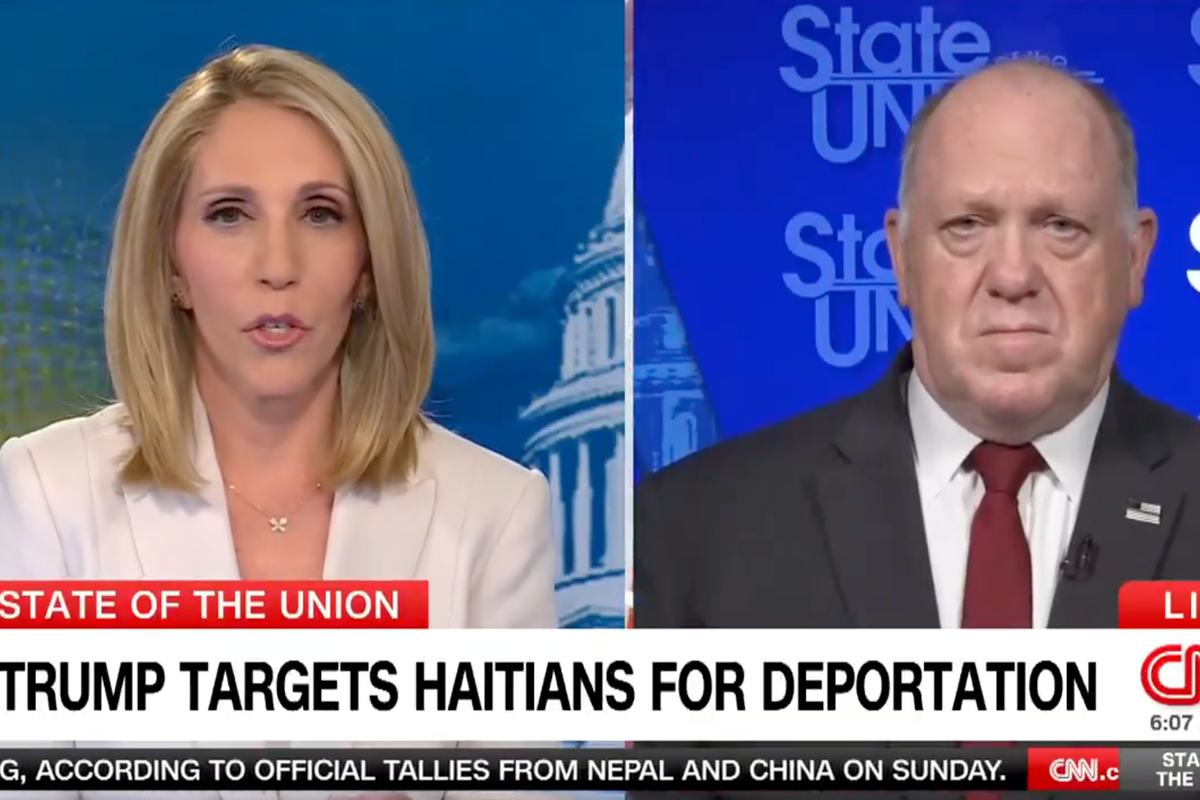
Border czar Tom Homan defended the Trump administration's deportation of hundreds to Haiti, saying CNN he does not know the conditions there. This comes as the State Department warns Americans against all travel to Haiti due to crime, terrorism, kidnapping, and unrest. Two deportation flights arrived in Haiti over the past two weeks after the Supreme Court allowed the administration to end Temporary Protected Status for the country in June.
The deportations affect roughly 350,000 Haitians who were legally permitted to live and work in the U.S. DHS promoted the flights as removing 162 immigrants and drug traffickers, including gang members. However, Homan's admission that he does not know Haiti's current conditions raised questions about the vetting process for deportations to a nation experiencing severe political and humanitarian crisis.
Haiti Faces Level 4 Travel Warning
The U.S. State Department lists Haiti under a Level 4 advisory, its highest warning. Americans are told not to travel to Haiti for any reason. The warning cites crime, terrorism, kidnapping, civil unrest, and limited health care as major risks.
TPS Ending Leaves Hundreds of Thousands Vulnerable
Temporary Protected Status allowed roughly 350,000 Haitians to legally live and work in the United States. The Supreme Court's June decision to end this protection removed that legal safety net. Without TPS, these immigrants became vulnerable to arrest and deportation proceedings.
The timing raised concerns among immigration advocates. Haiti remains unstable. Deportations to such conditions have drawn criticism from humanitarian groups worried about the safety of those being removed.
Border Czar Claims Ignorance of Haiti Conditions
When asked about the deportations during a CNN interview, Homan stated he did not know the conditions in Haiti. Host Dana Bash raised the contradiction with the State Department's Level 4 warning. Homan did not explain how officials chose Haiti as a deportation destination despite the serious risks.
DHS framed the two recent flights as removing criminals. The department said 162 deportees included drug traffickers and gang members. It did not provide details on how many of the 162 had serious criminal records versus minor immigration violations.
Questions Over Deportation Vetting Process
Homan's statement that he does not know Haiti's conditions raised doubts about how thoroughly officials vet deportation destinations. Border security agencies typically assess safety before sending people to another country. The admission suggested limited knowledge at the policy level about where deportees end up.
Sentiment
NeutralNEGATIVENEUTRALPOSITIVE
Publishers
5
Articles
3
Reach
5
A
AnonymousAuthor


