Blueberry E. coli Alert
Frozen Blueberries Recalled at Publix Stores in Eight States Due to E. Coli Risk
Anonymous
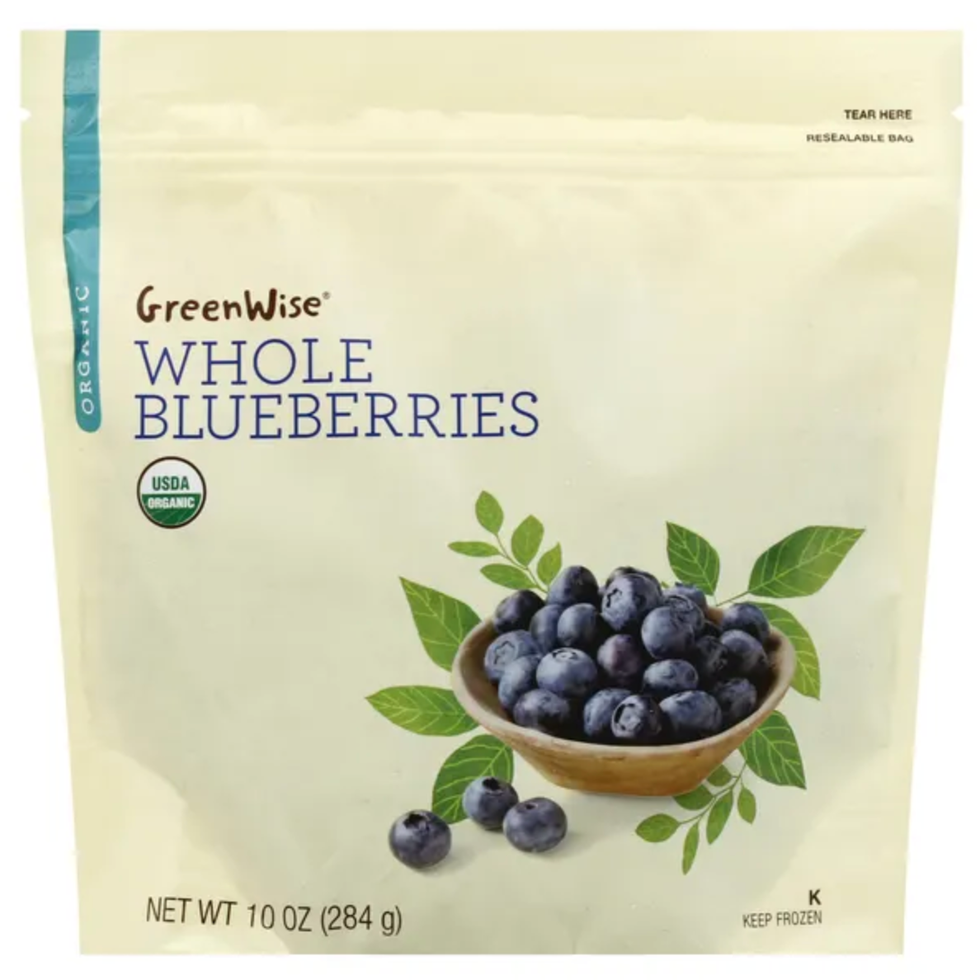
Frozen blueberries sold at Publix stores across eight Southern states are being recalled over E. coli contamination concerns, according to WSOC-TV. The recalled product is a 10-ounce package with lot code 60401 and a best-by date of February 9, 2028. At least 12 confirmed cases of stomach illness have been linked to the product.
The blueberries came from Frutas y Hortalizas del Sur S.A., a supplier based in San Carlos, Chile, Action News Jax reported. Shoppers who have this product at home should not eat it and should check the package details carefully.
Which States and Products Are Affected
The recall covers Publix stores in eight Southern states, according to WSBT-TV. Publix operates stores across Florida, Georgia, Alabama, Tennessee, South Carolina, North Carolina, Virginia, and Kentucky. Shoppers in any of these states may have purchased the affected blueberries.
The specific product to look for is a 10-ounce bag of frozen blueberries. The lot code is 60401. The best-by date printed on the package reads February 9, 2028. If your package matches both of these details, do not eat it, KIRO 7 reported.
12 Illness Cases Tied to Recalled Blueberries
Health officials have confirmed 12 cases of stomach illness connected to this recall, according to WOKV. E. coli is a type of bacteria that can cause serious stomach cramps, diarrhea, and vomiting. In some cases, it can lead to severe complications, especially in young children, older adults, and people with weak immune systems.
Symptoms of E. coli infection usually appear within three to four days of eating contaminated food. Most people recover within a week. Anyone who has eaten the recalled blueberries and feels sick should contact a doctor right away, Boston 25 News reported.
Where the Blueberries Came From and Why It Matters
The recalled blueberries were shipped by Frutas y Hortalizas del Sur S.A., a company located in San Carlos, Chile, according to WPXI. Imported frozen fruit has been linked to several food safety recalls in recent years. Contamination can happen at many points — during growing, harvesting, or packing.
Frozen fruit is often eaten without cooking, which means bacteria like E. coli are not killed before the food is consumed. This makes contamination especially dangerous. Health experts recommend always checking recall alerts before eating frozen produce, WSBT-TV reported.
What Shoppers Should Do Right Now
Consumers who bought the recalled blueberries should throw them away immediately, according to WOKV. Do not eat them even if they look and smell fine. E. coli cannot be seen or smelled in contaminated food.
Shoppers with questions about the recall can reach out to Publix directly for more information, Action News Jax reported. Consumers can also visit the FDA's website to find the full recall notice and any updates. Checking your freezer now could prevent a serious illness.
Sentiment
NeutralNEGATIVENEUTRALPOSITIVE
Publishers
9
Articles
9
Reach
9
Topics
A
AnonymousAuthor


