Sanctions And Energy Security
Jaishankar Raises India Energy Security Concerns During High-Level Talks With Marco Rubio
Anonymous
Key Points
1
Marco Rubio said the new sanctions law’s tariff authority could be used as an instrument of U.S. national policy and to influence the Russia-Ukraine conflict.
2
New Delhi said it would take all necessary steps to protect India’s economic interests and ensure the country’s energy security in response to the sanctions legislation.
3
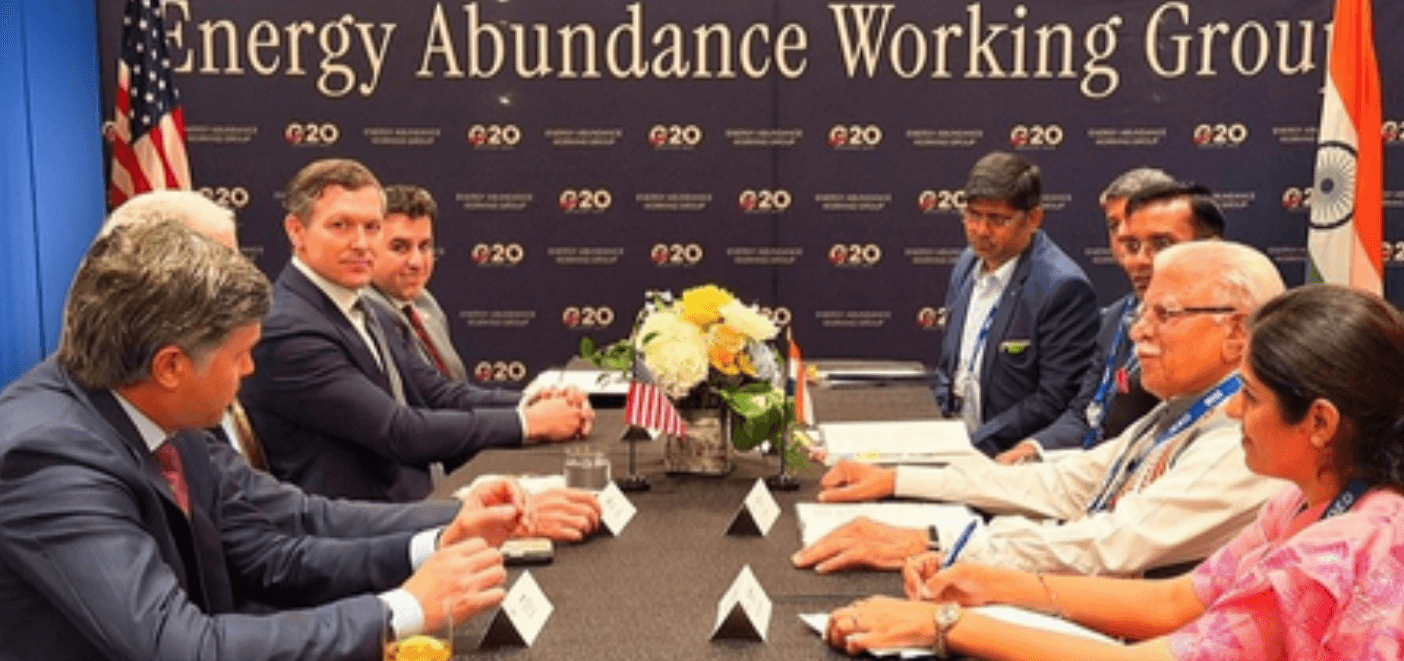
The ministers’ meeting followed earlier India-U.S. talks in Manila covering trade, tariffs, energy, defence, critical minerals and artificial intelligence; the two sides had also agreed on the importance of finalising an interim trade deal.
4
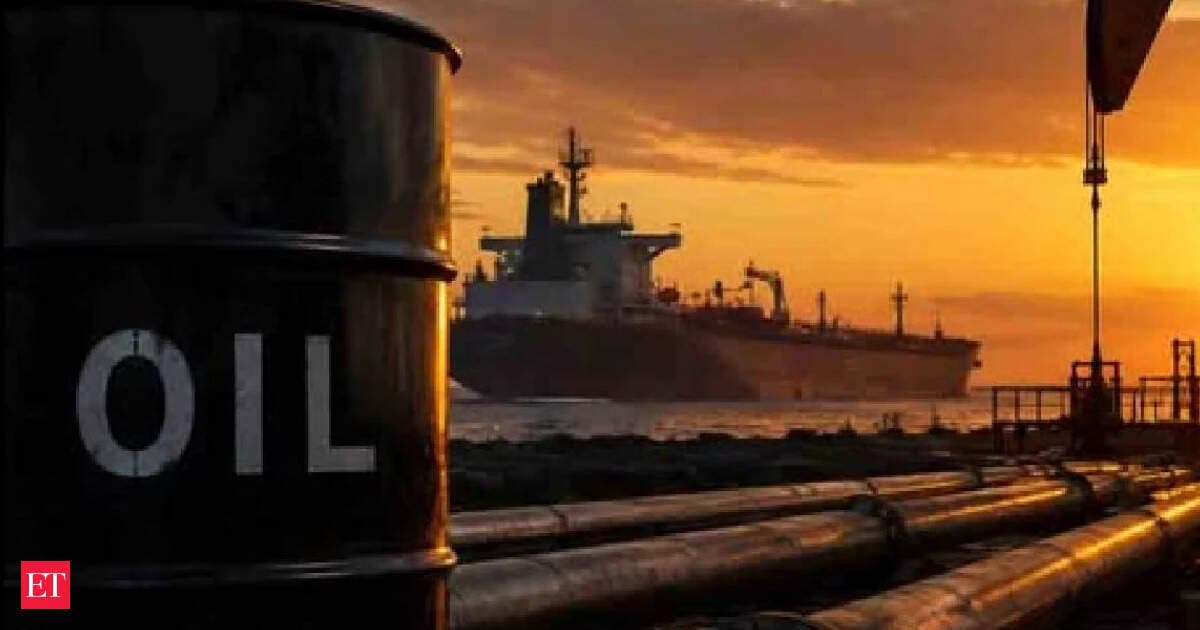
Russia supplied 2.08 million barrels per day of oil to India in August, accounting for 45% of India’s crude imports, underscoring the potential impact of the U.S. sanctions law on New Delhi’s energy policy.
5
The sanctions discussions took place amid a separate maritime-security incident: one Indian national was killed and 19 Indian seafarers were rescued after the commercial vessel MV Cape Dao was attacked off Oman’s east coast, with India condemning the assault.
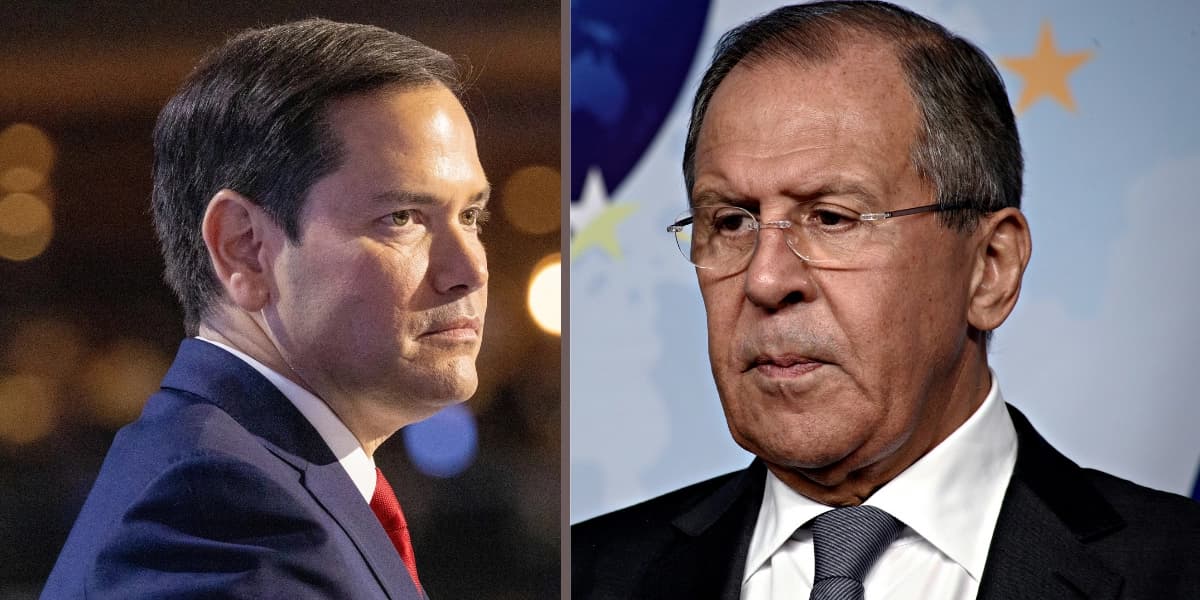
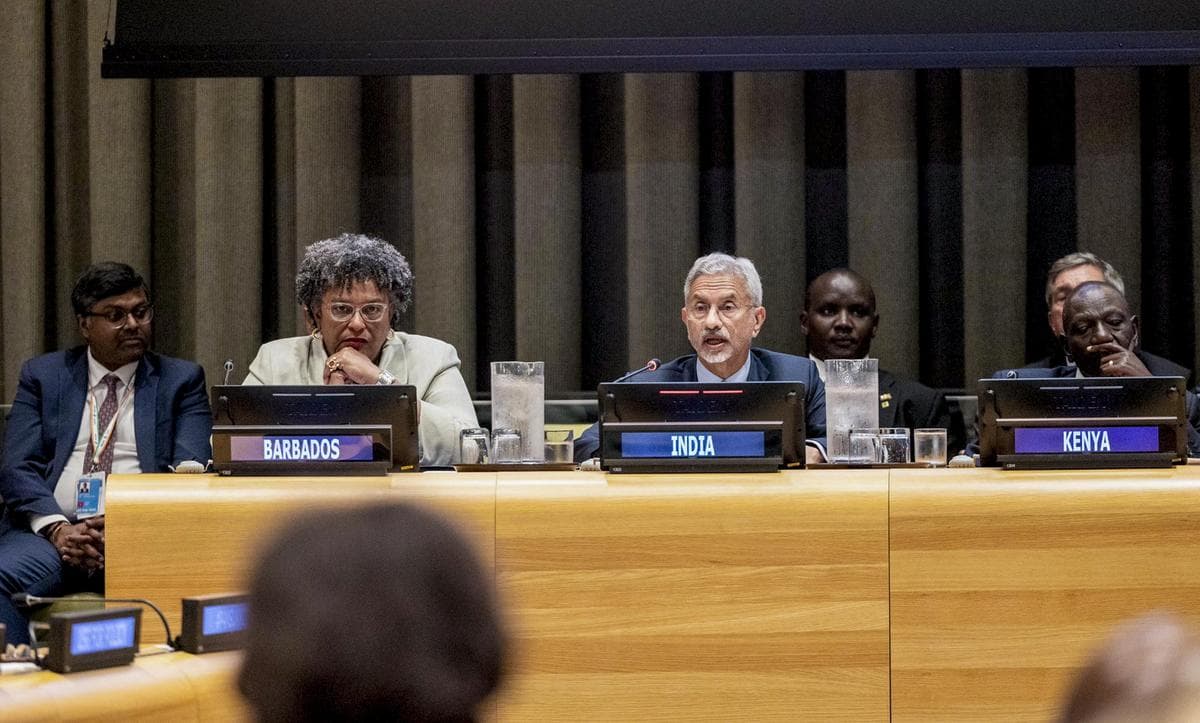
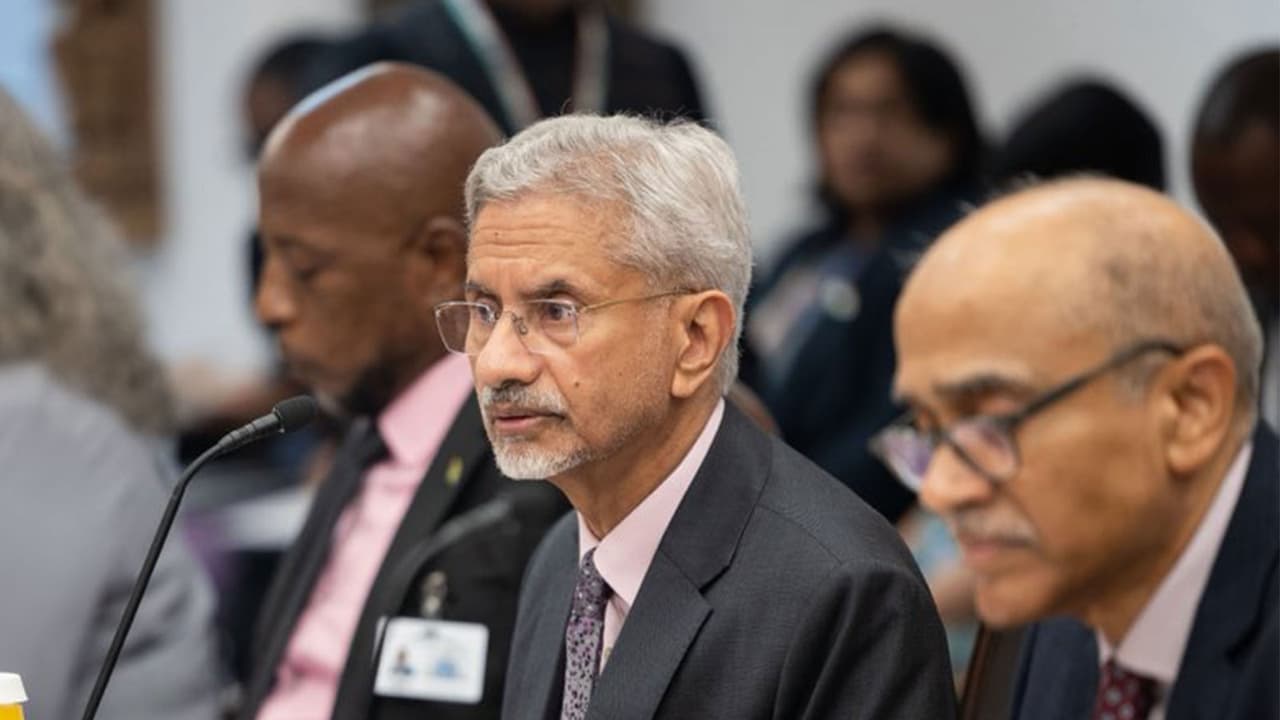
India's External Affairs Minister S. Jaishankar confronted US Secretary of State Marco Rubio over a new sanctions law that threatens to impose tariffs as high as 100% on major buyers of Russian oil and gas. India Today reported that the two met on the sidelines of the UN General Assembly on September 23, with Jaishankar raising India's "interests and concerns" about the Sanctioning Russia and Iran Act, signed into law by President Trump in mid-September. The law directly threatens India, which imported 2.08 million barrels per day of Russian crude in August—45% of its total oil supply.
The confrontation exposes deepening friction in the US-India strategic partnership. News18 reported that Rubio described the tariff authority as "a tool in the toolbox" to influence the Russia-Ukraine conflict and pressure Iran. But New Delhi signaled it will not yield, with officials stating India will "take all necessary steps" to protect its energy security and economic interests, underscoring the collision between Washington's geopolitical strategy and New Delhi's survival needs.
How the Sanctions Law Threatens India's Oil Supply
Russia supplies nearly half of India's crude oil. At 2.08 million barrels per day in August 2026, Russian oil is India's single largest energy source. A 100% tariff on Indian imports—which the new law authorizes Trump to impose—would cripple India's economy and spike domestic inflation for 1.4 billion people who depend on stable energy prices.
Jaishankar made this vulnerability explicit during his meeting with Rubio on September 23. News18 reported that India cited its "economic and energy-security interests" as non-negotiable, signaling that New Delhi will not abandon Russian crude purchases simply because Washington demands it. The tension underscores a core strategic contradiction: the US wants India as an ally against China and Russia, but now threatens economic punishment if India doesn't comply with American energy policy.
Rubio Frames Tariffs as a Diplomatic Tool
Secretary of State Rubio defended the new law in stark terms. He told reporters that Trump now has "a tool in his toolbox" to influence the Russia-Ukraine war and pressure Iran. Rubio emphasized that the tariff authority wasn't just economic punishment—it was statecraft designed to reshape geopolitical behavior across multiple regions.
This language revealed Washington's intent: use trade penalties to coerce allies into abandoning economically vital partners. But India rejected the premise. India Today noted that New Delhi will pursue energy security "by all necessary steps," code for refusing to subordinate its interests to US foreign policy. The disagreement signals that despite years of military and strategic cooperation, the US-India relationship remains fragile when economic interests collide.
Broader Diplomatic Efforts Continue Despite Tensions
The sanctions dispute did not derail other diplomatic progress. Jaishankar also met Ukrainian Foreign Minister Andrii Sybiha to discuss Black Sea navigation and bilateral cooperation on business, science, and agriculture. Meanwhile, India pushed for UN Security Council expansion alongside the G4 nations (India, Brazil, Germany, and Japan), seeking permanent seats that reflect 21st-century power distribution.
These parallel negotiations show India's strategy: compartmentalize disputes while building alternative partnerships. Jaishankar also engaged France and the UAE on technology, energy, and health cooperation. But the sanctions standoff looms over upcoming high-level talks between Prime Minister Modi and Trump, expected at the ASEAN Summit in November and the G20 Summit in December 2026.
Maritime Tragedy Adds Pressure Amid Geopolitical Tensions
On the same day Jaishankar met Rubio, an Indian crew member was killed when the commercial vessel MV Cape Dao was attacked off Oman's coast. News18 reported that one Indian Wiper, Suraj Yadav, died in the strike, while 19 Indian seafarers were rescued by the Omani Navy. India condemned the assault, which reflects broader chaos in Middle Eastern shipping routes amid the Red Sea crisis.
The incident underscores why India refuses to abandon Russian energy imports. Shipping route disruptions in the Strait of Hormuz and Red Sea already squeeze global oil supply. If the US follows through on sanctions tariffs, India faces a two-front crisis: fewer Russian sources for cheap crude and higher energy costs for citizens already battling inflation. New Delhi's defiance on this issue is not ideology—it is survival.
Sentiment
Mostly NegativeNEGATIVENEUTRALPOSITIVE
Publishers
64
Articles
115
Reach
179
A
AnonymousAuthor