River Stour Cold Case
Police confirm unidentified 'Croft Man' found in River Stour was unlawfully killed; investigation continues.
Anonymous
Key Points
1
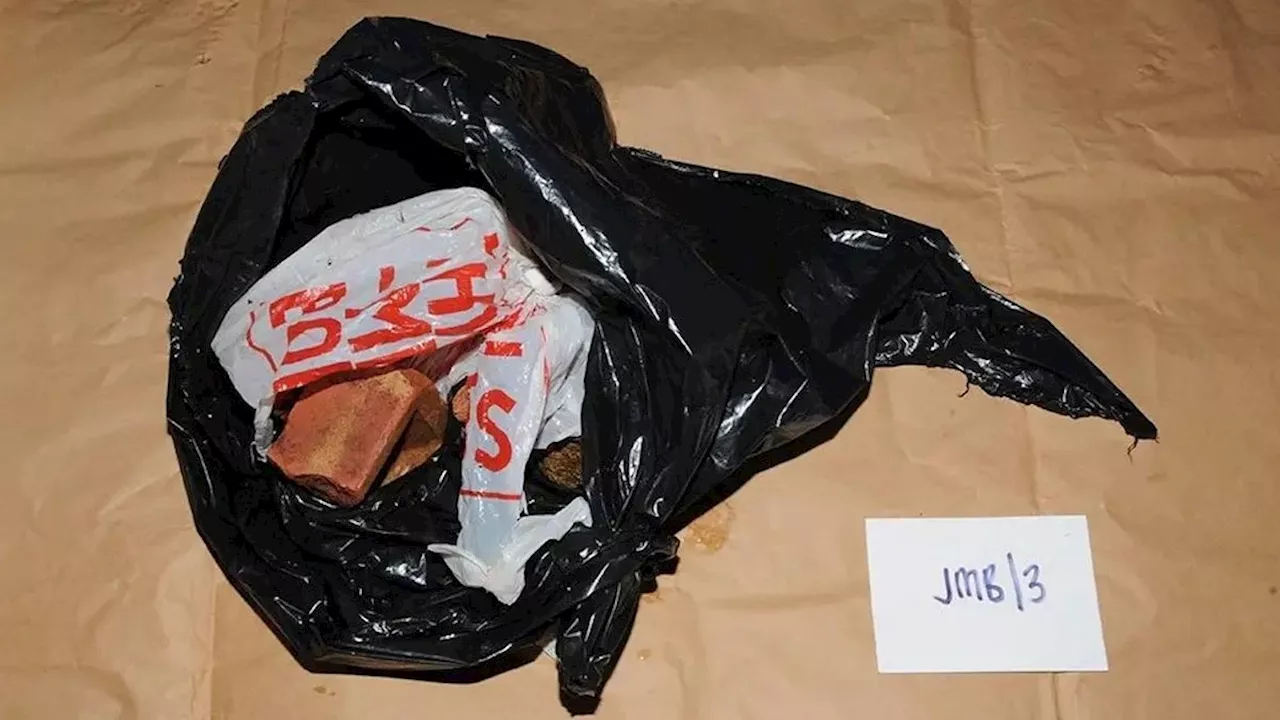
Investigators noted that the bags were packed in multiple layers and contained shingle, rocks, bricks, soap products and air fresheners, with some items obsolete by 2011, suggesting deliberate sealing to mask the remains.
2
Radiocarbon dating indicated the victim was born before the early 1950s and died sometime between 2008 and 2012, placing him in his late 60s or 70s at the time of death.
3
Skull fragments, facial bones and two loose teeth were recovered in a separate blue plastic bag about 150 metres downstream a couple of days after the initial discovery.
4
Investigators described the death as violent and possibly homicidal, with evidence suggesting dismemberment by someone with butcher-like skills and potential use of a machete or knife to conceal the identity of the victim.
5
Despite DNA linking the separate bags to the same person, the victim has never been identified, and no matches have appeared in national or international missing-person or criminal databases, leaving the case unresolved and the coroner emphasising the tragedy of an unidentified man.
An unidentified man found in weighted black bin bags in a Suffolk river has been ruled unlawfully killed, a British inquest concluded. The mummified remains, known as the "Croft Man," were pulled from the River Stour in Sudbury in August 2020 — and despite years of investigation, no one knows who he was. Wales Online reported the coroner, Nigel Parsley, called the case a tragedy, saying the man almost certainly had family or friends who deserve answers.
A dog walker made the grim discovery on 27 August 2020, finding mummified remains and two arms without hands inside layered black bin bags. Skull fragments and facial bones turned up days later in a blue plastic bag about 150 metres downstream. Leeds Live reported that DNA tests confirmed all the bags held remains from the same person.
Bags Packed to Hide a Body and Sink It
Investigators found the bags were packed with shingle, rocks, and bricks — clearly meant to weigh them down. Inside were also soap products and air fresheners, likely used to mask the smell. Head Topics reported that some items inside the bags were already obsolete by 2011, giving investigators a rough upper limit for when they were sealed.
The skull, facial bones, and two loose teeth were recovered separately in a blue plastic bag found roughly 150 metres from the main discovery site. The careful, layered packing and the removal of the victim's hands pointed to a deliberate effort to stop anyone identifying the body, Examiner Live reported.
Radiocarbon Dating Places Death Between 2008 and 2012
Forensic scientists used radiocarbon dating to piece together a timeline. The results showed the victim was born before the early 1950s, making him likely in his late 60s or 70s when he died. His death is estimated to have occurred sometime between 2008 and 2012, according to Wales Online.
Experts also considered whether the body had been stored in an arid or freezing environment before being dumped, which could explain its mummified state. The condition of the remains made pinning down an exact date of death difficult, but the presence of obsolete goods in the bags helped narrow the window.
Dismemberment Suggests Someone With Butcher-Like Skills
Forensic experts described the death as violent and possibly homicidal. The removal of the hands was seen as a direct attempt to prevent fingerprint identification. Leeds Live reported that investigators believed the dismemberment showed skills similar to those of a butcher, and that a machete or large knife may have been used.
The inquest heard that the injuries were not consistent with an accident. Every aspect of how the body was prepared — from the cutting to the packing — pointed toward someone trying to make sure the victim was never found or named, Examiner Live reported.
No Name, No Match, No Answers for Grieving Family
Police searched national and international missing-person databases and criminal records. They found no match. DNA from the bags all pointed to the same man, but that DNA has never been matched to anyone on record. The victim remains unnamed years after his remains were first found, Head Topics reported.
Coroner Nigel Parsley stressed the human cost of leaving the case unresolved. He noted the strong likelihood that someone, somewhere, is missing a father, brother, or friend. The investigation remains open, and police are still appealing for anyone with information to come forward and help give the Croft Man his name back.
Sentiment
Mostly NegativeNEGATIVENEUTRALPOSITIVE
Publishers
11
Articles
12
Reach
23
A
AnonymousAuthor


