Midterm Campaign Focus
Republicans Focus on Islam and Security as 2026 Midterm Campaigns Intensify Across Key States
Anonymous
Key Points
1
Republican campaigns have spent approximately $12 million since last year on advertising that refers negatively to Islam, Muslims or sharia, according to AdImpact data cited by Stateline.
2
The 2026 midterm elections are scheduled for November 3 and will determine whether Democrats can retake control of Congress from President Donald Trump’s Republican Party.
3
Vance made his remarks at a rally in Sterling Heights, Michigan, where he hosted a rabbi from the targeted synagogue and members of its security team and urged voters to support Republican Senate nominee Mike Rogers.
4
Muslims comprise about 5.5 million people, or roughly 1.6% of the U.S. population, according to the article’s cited figures.
5
Ghazala Hashmi became the first Muslim woman elected to statewide office in the United States when she became Virginia’s lieutenant governor last year.
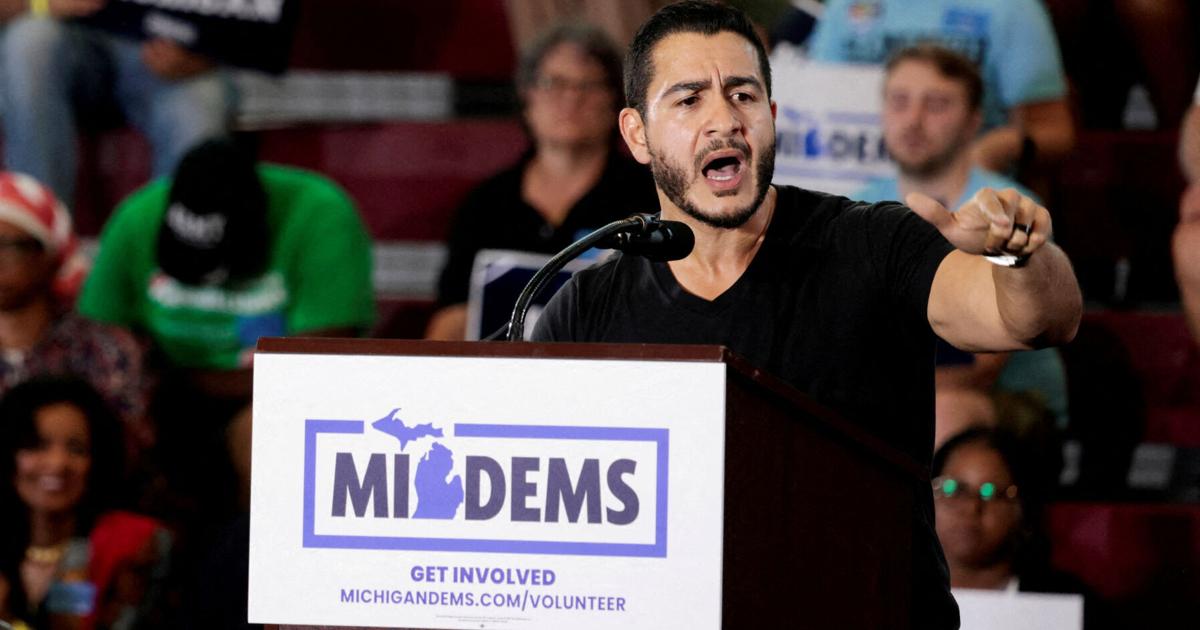
Republican campaigns are making Islam and Muslim candidates central issues in the 2026 midterm elections, with Vice President JD Vance calling Michigan Democratic Senate candidate Abdul El-Sayed "very, very evil" and accusing him of defending terrorism. Middle East Online reports that El-Sayed, who would be the first Muslim U.S. senator if elected, has condemned the accusations and said his comments following a synagogue attack were misunderstood.
The strategy extends beyond Michigan. Real News Magazine reports that Texas Gov. Greg Abbott has demanded an investigation into a proposed Muslim-led development over claims it could establish "sharia courts"—allegations that developers and civil rights groups dispute. Republican candidates in Alabama are also emphasizing warnings about "radical Islam" as a security concern heading into the November 3, 2026 elections.
Republicans Spend Millions on Anti-Islam Messaging
Republican campaigns have invested roughly $12 million since last year in advertising that targets Islam, Muslims, and sharia law, according to data cited by Stateline. The spending reflects a deliberate strategy to make religion and security central to midterm messaging. Critics argue the approach unfairly portrays Muslims as a collective threat and exploits fear for political gain.
Vance Attacks El-Sayed Over Synagogue Comments
Vice President Vance made his "very, very evil" remarks at a rally in Sterling Heights, Michigan, where he hosted a rabbi and security members from a targeted suburban Detroit synagogue. AAJ TV reports Vance accused El-Sayed of defending terrorism based on the candidate's statements following a March synagogue attack. El-Sayed has denied the charge and said his comments were taken out of context.
Muslim Americans Gaining Political Ground
The Republican messaging comes as Muslim Americans expand their political presence. Muslims comprise about 1.6% of the U.S. population—roughly 5.5 million people—yet are increasingly running for and winning office. Real News Magazine notes that recent victories include New York City Mayor Zohran Mamdani and Virginia Lt. Gov. Ghazala Hashmi, who became the first Muslim woman elected to statewide office in America.
Abbott's Sharia Court Allegations Face Pushback
Texas Governor Greg Abbott has called for an investigation into a Muslim-led development project, claiming it poses a risk of establishing "sharia courts." Developers and civil rights organizations have disputed these allegations as unfounded. The accusation mirrors broader Republican claims that Muslim political participation threatens American legal systems and public safety.
Sentiment
Mostly NegativeNEGATIVENEUTRALPOSITIVE
Publishers
14
Articles
129
Reach
143
A
AnonymousAuthor


