US-Iran Escalation
US Expands Airstrikes, Targets Iran's Bridges Amid Collapsed Ceasefire and Escalation
Anonymous
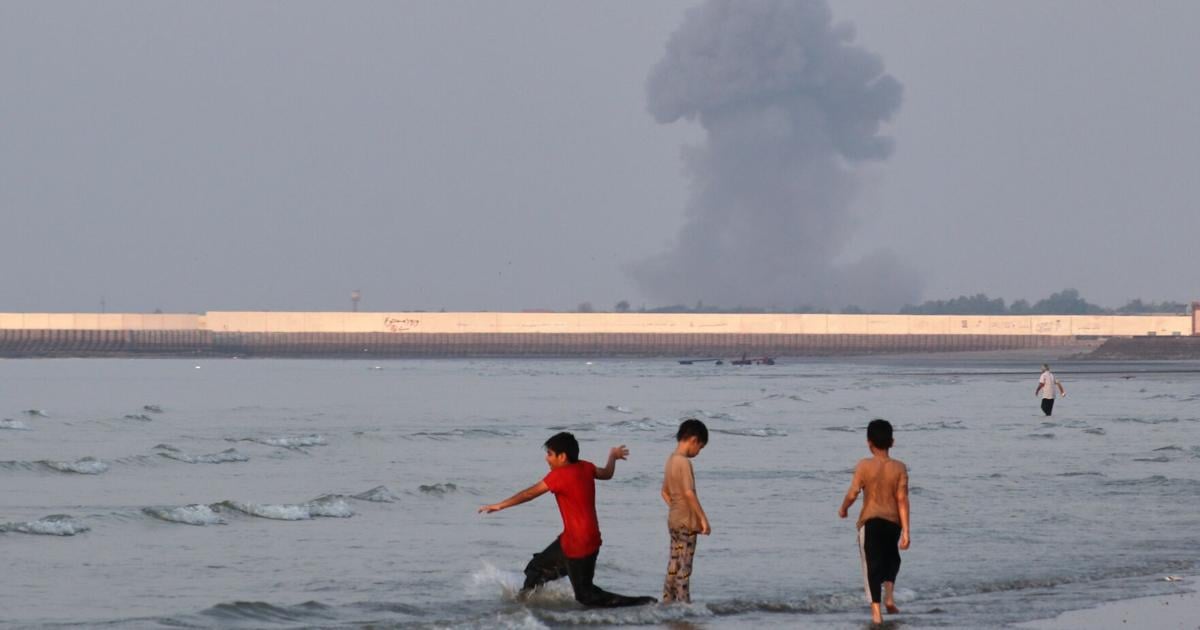
The United States has expanded its airstrike campaign against Iran, now increasingly targeting bridges as part of President Donald Trump's strategy to squeeze Tehran over control of the Strait of Hormuz, according to Lancaster Online. The interim ceasefire agreed last month has collapsed, and the region has seen days of back-and-forth attacks as both sides battle for dominance of the vital waterway.
Iran has responded with new missile barrages against U.S.-allied nations in the Middle East. Authorities in Qatar warned residents to shelter in place after a wave of Iranian missiles struck the area. Iranian officials say strikes have killed over 35 people and wounded more than 300 others, with fresh casualties reported from Friday's attacks, according to Eagle Tribune.
Bridge Strikes Signal a Broader Infrastructure War
The U.S. military's shift toward hitting bridges marks a clear escalation in tactics. The goal is to cripple Iran's ability to move troops, weapons, and supplies across the country. Trump's plan targets critical infrastructure to put maximum pressure on Tehran, Idaho Press reported. Bridges are key chokepoints — destroy them and you slow everything down.
This approach goes beyond earlier strikes on military sites. By hitting infrastructure, the U.S. aims to impose costs that Tehran will feel across the entire country. News-Gazette noted the campaign is designed to force Iran to loosen its grip on the Strait of Hormuz, through which roughly 20% of the world's oil passes.
Iran Fires Back With Missiles Across the Gulf
Iran did not absorb the strikes quietly. Tehran launched new waves of ballistic missiles at U.S.-allied nations across the Middle East. Qatar was among the hardest hit. Qatari authorities issued a public shelter-in-place warning as missiles rained down, according to Rocky Mount Telegram. The attack signals Iran is willing to drag the wider region into the conflict.
Iranian officials have warned that their retaliation will only grow. They have framed each new U.S. strike as justification for a bigger response. Daily Item reported that Iranian leaders say the escalation is a direct answer to American aggression, and they show no sign of backing down.
Ceasefire Collapses as Civilian Death Toll Climbs
The short-lived ceasefire that both sides agreed to last month is now fully broken. What followed has been some of the fiercest fighting since the conflict began. Iranian officials report that strikes — which they attribute to the U.S. and its allies — have killed more than 35 people and wounded over 300 others, according to Voice of Alexandria. New deaths were reported as recently as Friday.
The rising civilian toll is putting pressure on both sides. Aid groups warn that damaged bridges and roads are making it harder to get help to wounded civilians. Reflector noted that the combination of military strikes and infrastructure damage is creating a growing humanitarian crisis inside Iran.
Strait of Hormuz Remains the Prize Both Sides Are Fighting For
The core of this conflict is the Strait of Hormuz. Iran has long used its position near the strait to threaten global oil supplies. Trump's airstrike campaign is designed to force Tehran to step back from that threat. Enid News reported that the U.S. sees infrastructure strikes as the fastest way to change Iran's calculation.
Global energy markets are watching closely. Any prolonged closure or disruption of the strait could send oil prices sharply higher. The region remains on edge, with both Iran's missile program and America's air campaign showing no signs of slowing down, according to Daily Advance.
Sentiment
NeutralNEGATIVENEUTRALPOSITIVE
Publishers
13
Articles
13
Reach
13
A
AnonymousAuthor


