Apple's AI Crown
Apple Reclaims World's Most Valuable Company Crown, Overtaking Nvidia on AI Strategy Bets
Anonymous
Key Points
1
Moonshot's Kimi-K3 model debut in China shook investor confidence in AI infrastructure spending, contributing to Nvidia's dip and helping Apple move up intraday in the race for the top valuation.
2
Apple was reported to be in talks with the Trump administration for clearance to buy memory chips from CXMT, a Chinese supplier on the U.S. blacklist, signaling potential diversification of its supply chain.
3
The company described an "extraordinary surge in demand for memory and storage" and followed with price increases on Macs and iPads of up to 20%, with executives noting that such component price hikes are unprecedentedly large and rapid.
4
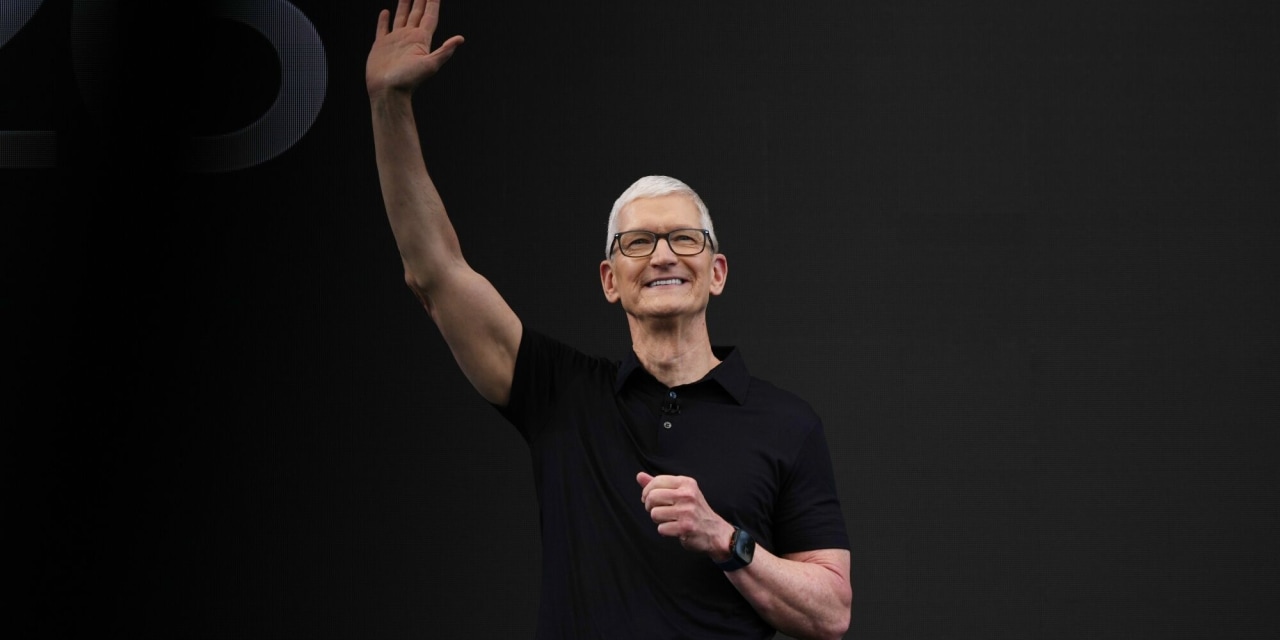
Tim Cook is slated to hand over the CEO role to hardware chief John Ternus in September, with August slated as Cook's final month as CEO and him remaining as executive chairman of the board.
Apple has reclaimed its title as the world's most valuable company, surpassing Nvidia in intraday trading with a market value approaching $5 trillion, according to CNBC. Nvidia's shares fell more than 3%, dropping its value to around $4.84 trillion, as Apple pushed past it for the first time in over a year, Financial Times reported.
The shift reflects a broader investor bet: that Apple can profit from AI through devices and services rather than spending billions on data centers. That lower-risk approach is drawing fresh confidence from Wall Street, according to The Globe and Mail.
China's New AI Model Rattled Nvidia's Valuation
A key trigger for Nvidia's drop was the debut of Kimi-K3, a powerful AI model from China's Moonshot. Its launch shook investor confidence in AI infrastructure spending — the kind Nvidia depends on. If cutting-edge AI can come from leaner models, demand for Nvidia's expensive chips could slow.
Apple benefited directly from Nvidia's dip. As Nvidia lost ground, Apple climbed. TipRanks noted Apple's total value briefly hit $4.92 trillion during intraday trading, while Nvidia sat closer to $4.86 trillion. The gap was narrow but symbolic — Apple was back on top.
Memory Chip Shortage Drives Price Hikes Up to 20%
Apple described an "extraordinary surge in demand for memory and storage" as a key business pressure. To cope, the company raised prices on Macs and iPads by as much as 20%. Executives called the size and speed of these component cost increases unprecedented.
Apple is also seeking new chip suppliers. The company was reportedly in talks with the Trump administration for clearance to buy memory chips from CXMT, a Chinese supplier currently on the U.S. blacklist, according to The Wall Street Journal. The move signals Apple wants to diversify where it gets key parts.
Tim Cook Steps Down in September After Two Decades
Apple CEO Tim Cook is set to hand over leadership to hardware chief John Ternus in September. August will be Cook's final full month as CEO. He will stay on as executive chairman of the board, keeping a role in guiding the company's long-term direction.
The transition puts a hardware veteran in charge just as Apple bets big on AI-integrated devices. Ternus is expected to push AI deeper into Apple's products — from iPhones to Macs — rather than chasing costly AI model development. That fits Apple's strategy of using AI to drive device upgrades and lock users into its ecosystem.
Apple's AI Bet: Monetize the Ecosystem, Skip the Data Centers
Unlike Nvidia or cloud rivals, Apple is not spending heavily on AI infrastructure. Instead, it is focused on a long-delayed Siri overhaul, AI features baked into hardware, and growing its services business. Analysts say this lowers Apple's capital expenditure risk while still giving it an AI growth story, according to The Globe and Mail.
The market is rewarding Apple for steady, durable earnings over speculative AI bets. The Wall Street Journal reported Apple beat Nvidia by 0.39% in market value at one point during trading. Challenges remain — extracting real value from Siri and personal data is still unproven — but for now, investors like what they see.
Sentiment
Mostly PositiveNEGATIVENEUTRALPOSITIVE
Publishers
59
Articles
238
Reach
297
A
AnonymousAuthor


