EBU Guidelines Mocked
European media guidelines advising against 'sexualized' female athlete photos face online mockery
Anonymous
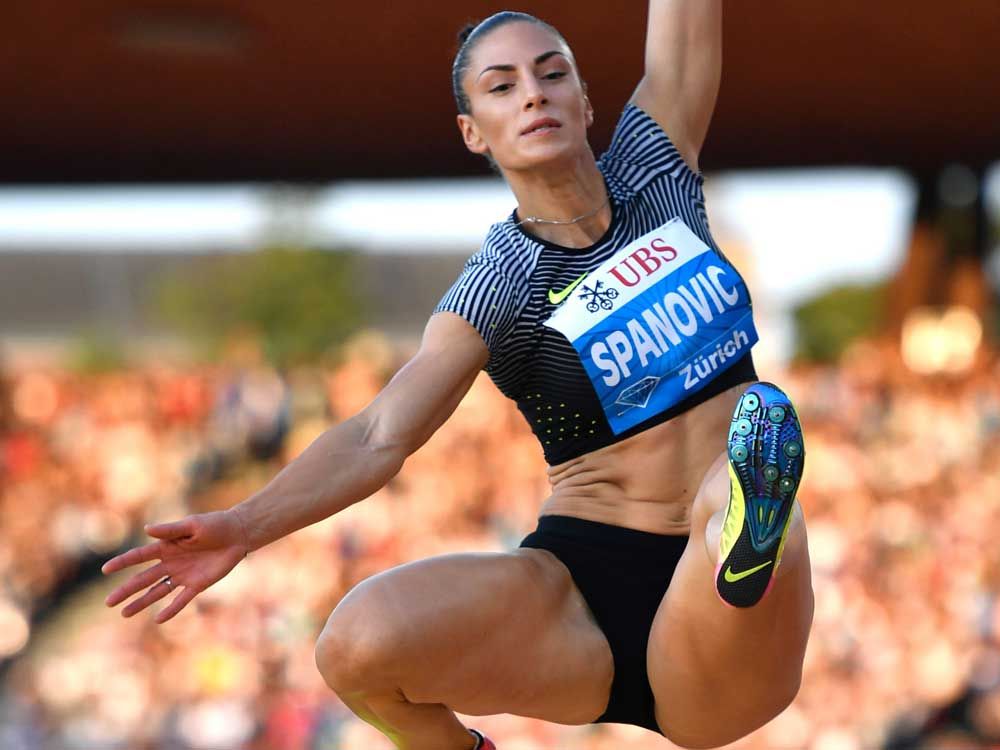
The European Broadcasting Union has released a 23-page guide telling photographers and camera operators to stop filming female athletes in ways that "sexualize" them. The document, titled "Raising the Bar: Guidelines for respectful media coverage in women's athletics," quickly became a target of ridicule online after gaming website Dexerto shared it on X. Ottawa Sun reported that the backlash was swift and widespread.
EBU Sport executive director Glen Killane said the sexualization of women athletes through "selective camera angles and editing choices" is a major problem across many sports broadcasts. The EBU is a major alliance of public media organizations across Europe.
What the 23-Page Document Actually Says
The guide includes illustrated examples showing female athletes in track, swimming, and other sports. Each example labels specific camera angles as either "positive" or "negative." According to The Whig, the document urges broadcasters to focus on athletic performance rather than body parts. Low angles, tight close-ups, and shots that linger on a competitor's body are flagged as problematic.
Killane said the goal is to make sure coverage reflects the "skill, strength, and dedication" of female athletes. The EBU argued that biased camera work has long shaped how audiences see women in sport. The guide is meant to give broadcasters clear, practical rules to follow.
Online Mockery Follows Dexerto's Viral Post
The guidelines might have stayed under the radar, but Dexerto posted about them on X and the reaction exploded. Critics called the rules overreaching and impractical. Many users argued that the same camera angles flagged as "negative" for women are used routinely when filming male athletes too, and that singling out women's coverage was itself patronizing.
Others mocked the idea that a 23-page rulebook could solve a cultural problem in sports media. Some commenters said the guide would make it harder for photographers to do their jobs. The story spread quickly across social media, drawing criticism from people across the political spectrum.
A Longstanding Debate Over Women's Sports Coverage
The controversy taps into a much older argument about how women athletes are portrayed in media. Studies have long found that female athletes get less screen time than men and are more often shown in passive or posed settings rather than in action. The EBU's guide is one of the most detailed attempts by a major broadcasting body to address this directly.
Supporters of the guidelines say the criticism misses the point. They argue that without clear standards, individual camera operators make choices that add up to a pattern of bias. The EBU said it hopes broadcasters across Europe will adopt the guide ahead of major upcoming athletic events.
EBU's Authority and What Happens Next
The EBU represents public broadcasters in more than 50 countries. It organizes events like the Eurovision Song Contest and holds broadcast rights for major sporting competitions. Its guidelines are not legally binding, but member organizations are expected to take them seriously. Owen Sound Sun Times noted that the EBU has pushed similar equity initiatives in recent years.
It is unclear how many broadcasters will adopt the new rules. No major network has publicly committed to following the guide. The EBU has not announced any enforcement mechanism if members ignore the recommendations.
Sentiment
NeutralNEGATIVENEUTRALPOSITIVE
Publishers
11
Articles
10
Reach
11
A
AnonymousAuthor


