SEC Breakaway Concerns
SEC Commissioner Greg Sankey confirms real breakaway talks from NCAA over governance frustrations
Anonymous
Key Points
1
Sankey cited concrete frustrations driving talk of independence, including NIL rule modernization dragging on, CFP expansion stalling due to colleagues’ inaction, and an unresolved volunteer coach rule, illustrating why the breakaway idea feels real to SEC leadership.
2
The SEC’s stance on the Protect College Sports Act includes opposition to certain provisions (notably allowing conferences to pool media rights and concerns about language on super leagues) and a push for 10 common-sense changes aligned with four principles: enforceable national standards, a national framework to curb state-law circumvention, transparency and accountability, and fair, consistent standards while preserving voluntary decision making.
3
There are tangible costs tied to NCAA upheaval: the SEC’s shift from eight to nine conference games came under public pressure, affecting scheduling and the strength-of-schedule metrics used by the CFP, with Texas A&M highlighted as an example of how changes can impact playoff considerations.
4
Beyond general talk, there are broader indications this is not isolated speculation: Georgia president Jere Morehead previously suggested the idea of a breakaway, and recent reporting indicates ongoing “Plan B” discussions with Congress alongside real conversations about the path forward.
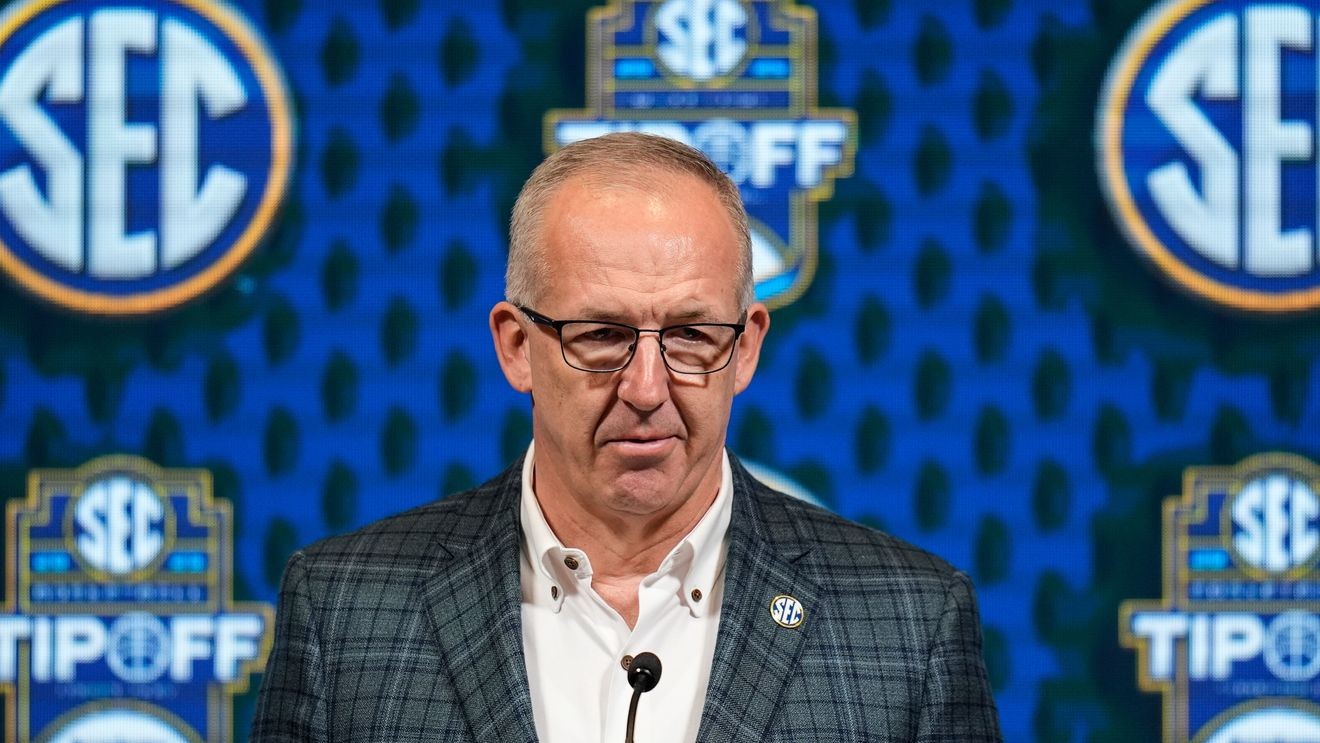
SEC Commissioner Greg Sankey confirmed at SEC Media Days in Tampa that talks about breaking away from the NCAA are "real" — not a bluff. ABC 3340 reported that Sankey cited years of failed attempts to modernize rules as the driving force behind the conversations.
Sankey was clear: breaking away is not the preferred path. But he said the frustration is genuine. The Score reported that Sankey described the discussions as honest communication about the current landscape, not a pressure tactic aimed at Congress.
Three Concrete Grievances Fueling the Break Talk
Sankey did not speak in vague terms. He pointed to specific failures. NIL rule modernization has dragged on for years with no resolution. CFP expansion stalled because other conferences failed to act. A volunteer coach rule remains unresolved. Garnet and Cocky reported that Sankey used these examples to explain why independence feels like a real option to SEC leadership.
There is also a scheduling cost. The SEC shifted from eight to nine conference games under public pressure. That change affects strength-of-schedule scores used by the CFP to pick playoff teams. Sankey highlighted Texas A&M as a school directly hurt by how these changes ripple through playoff considerations.
SEC Pushes Ten Changes to Federal College Sports Bill
The SEC does not support the Protect College Sports Act in its current form. Hotty Toddy reported that Sankey outlined 10 specific changes the conference wants. These changes center on four ideas: enforceable national standards, a framework to stop states from writing their own rules, transparency, and fair treatment for all schools.
The SEC objects to two parts of the bill in particular. One provision would let conferences pool media rights. Another includes language that could enable so-called "super leagues." Despite those objections, Sankey said the SEC remains committed to working with Congress to get a bill passed.
Georgia President and 'Plan B' Talks Signal Wider Support
Sankey is not alone in raising the idea. Georgia president Jere Morehead previously suggested a breakaway was worth considering. Bettors Insider reported that recent conversations with Congressional leaders also include what sources describe as "Plan B" discussions — meaning the SEC is actively thinking through what comes next if federal legislation fails.
That is a significant shift. For years, breakaway talk was dismissed as a negotiating chip. Now, with multiple leaders on record and ongoing talks with Congress, the conversation looks more serious. The SEC still wants a national system. But it wants one that actually works.
What a Breakaway Would Mean for College Sports
A full SEC departure from the NCAA would reshape college athletics. The SEC generated over $900 million in revenue in fiscal year 2023. Schools in the conference rely on the NCAA framework for everything from eligibility rules to championship events. Walking away would require building new systems from scratch.
ABC 3340 noted that Sankey emphasized the value of national competition. He said the SEC wants to stay part of a functioning national structure. But if that structure keeps failing to act, Sankey made clear the SEC will not wait forever.
Sentiment
Mostly NegativeNEGATIVENEUTRALPOSITIVE
Publishers
30
Articles
122
Reach
152
A
AnonymousAuthor


