Early Alzheimer's Risk Detection
New Blood Test Identifies Healthy People at High Risk for Alzheimer's Disease
Anonymous
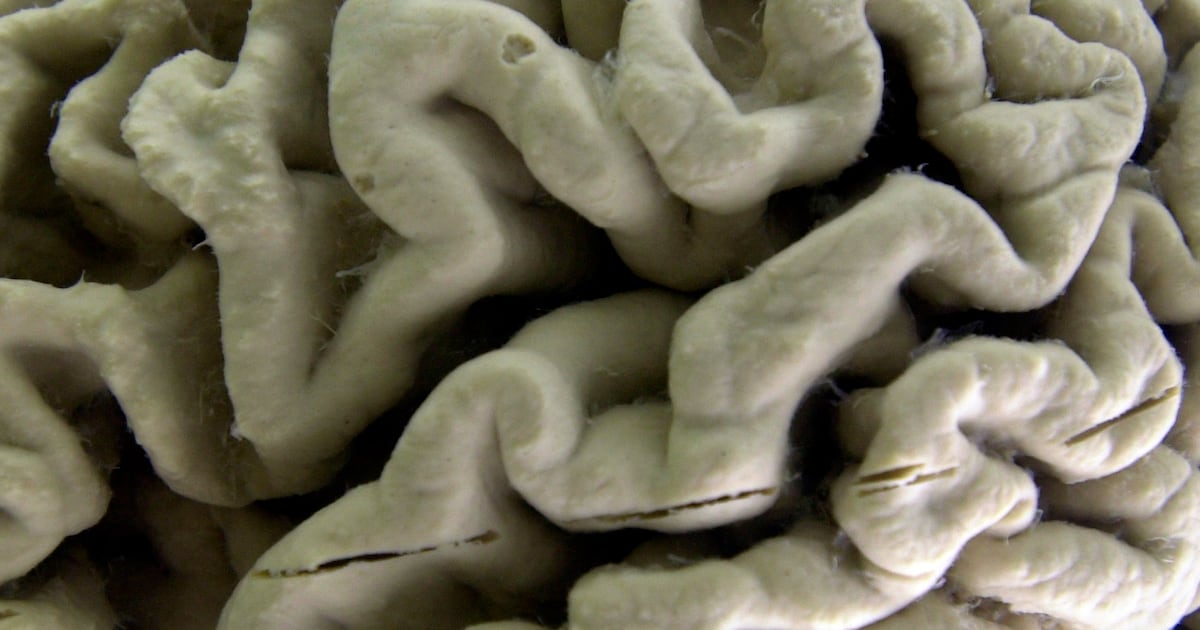
A simple blood test can spot healthy people who are at high risk for Alzheimer's disease before any symptoms appear, according to researchers from the Mass General Brigham Neuroscience Institute. The test, called p-tau217, could open the door to earlier treatment and prevention efforts for one of the world's most feared diseases. KIRO 7 reported the findings were published in the journal JAMA and presented at the Alzheimer's Association International Conference in London.
Scientists are excited about what the test could mean for drug development and clinical trials. But they are urging caution — it is too soon for healthy people to go looking for the test on their own.
What the p-tau217 Blood Test Actually Does
Alzheimer's disease leaves two telltale marks in the brain: sticky clumps called amyloid plaques and twisted threads called tau tangles. These changes begin years — sometimes decades — before memory loss starts. The p-tau217 test looks for a form of the tau protein in the blood. A high level signals that dangerous changes may already be happening in the brain, according to News4Jax.
What makes this test stand out is who it targets. It is designed for people who feel completely healthy and show no signs of memory trouble. Catching risk early could give doctors and researchers a crucial head start — before the brain suffers serious damage.
Why Early Detection Could Change Alzheimer's Research
Right now, most Alzheimer's drug trials enroll people who already have symptoms. That may be too late. Many scientists believe treatment works best when started early, before widespread brain damage occurs. The p-tau217 test could help researchers find and enroll high-risk people while their brains are still healthy, according to Click Orlando.
This matters a lot for drug development. If researchers can test treatments on people in the earliest stages of disease, they can better measure whether a drug actually stops Alzheimer's from developing. That kind of research has been hard to do without a reliable early-warning tool.
Scientists Say: Don't Rush to Get Tested Yet
Despite the promising findings, the researchers behind the study are sending a clear message: do not seek out this test on your own. The science is still new. Doctors do not yet know exactly what to do for someone who tests as high risk but feels completely fine, according to Boston 25 News.
There are also emotional and ethical questions to consider. Learning you may be at high risk for Alzheimer's — with no proven way to prevent it yet — can cause serious anxiety. Researchers say the test is best used right now in clinical trial settings, not in a regular doctor's office.
What Comes Next for Alzheimer's Prevention Science
The Mass General Brigham team sees p-tau217 as a key tool for building the next generation of Alzheimer's prevention studies. The goal is to find people at risk early enough that a future drug or lifestyle intervention could actually make a difference. Click On Detroit noted the test may predict whether healthy individuals will go on to develop the disease.
Alzheimer's affects millions of people worldwide and currently has no cure. Experts say that cracking the problem of early detection is one of the most important steps toward changing that. The p-tau217 test is not a finish line — but researchers say it is a meaningful leap forward.
Sentiment
NeutralNEGATIVENEUTRALPOSITIVE
Publishers
5
Articles
5
Reach
5
Topics
A
AnonymousAuthor


