Shojo Manga Exhibition
National Art Center hosts its first major shojo manga exhibition in Tokyo.
Anonymous
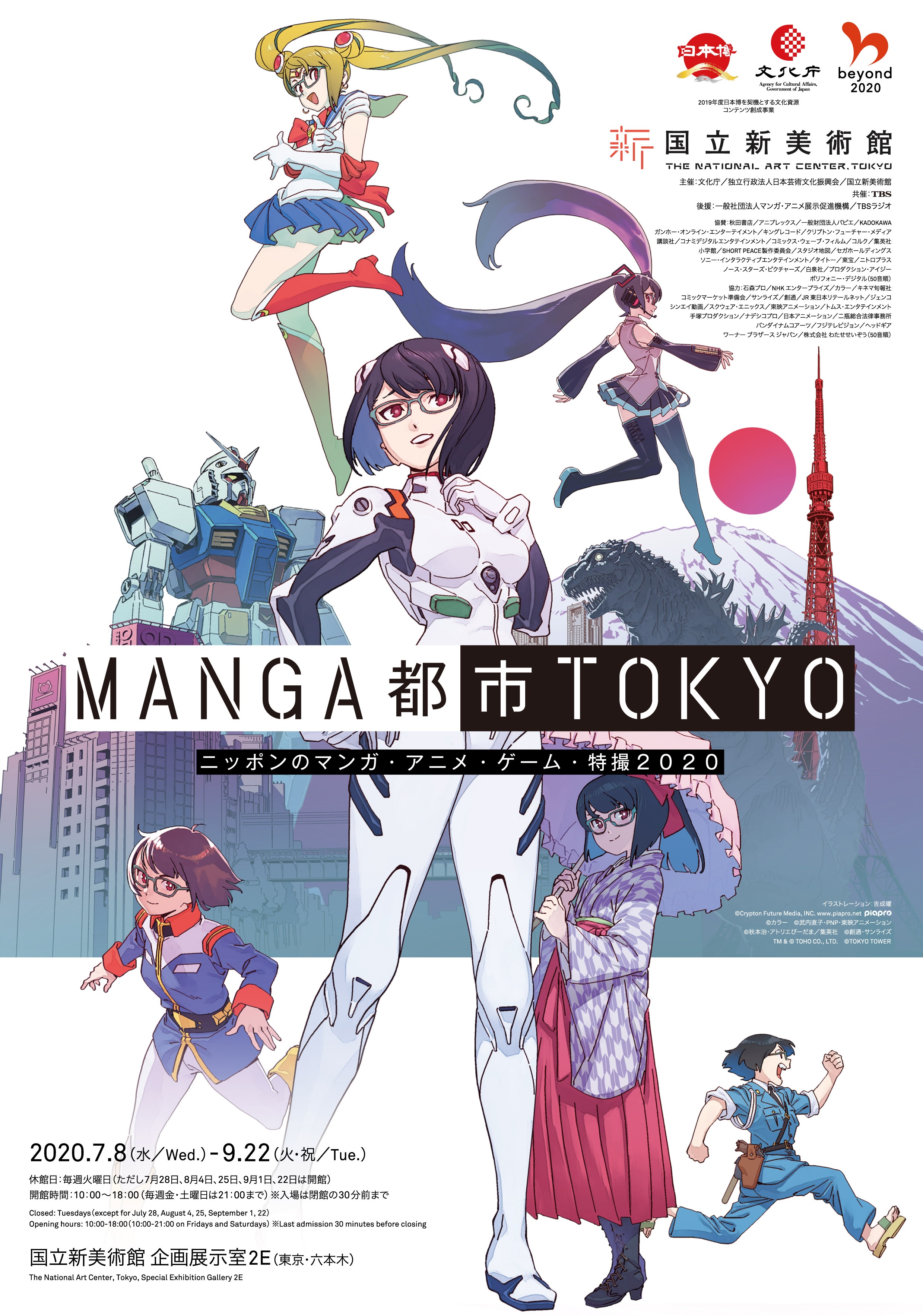
Anime and manga culture is being explored through community programming, museum exhibitions, critical analysis and genre entertainment. A library club for students in grades 6–12 invites newcomers and longtime fans to discuss anime, manga, art, cosplay and culture while making clay models. In Tokyo, a major exhibition examines roughly six decades of shojo manga through the work of Moto Hagio, Ryoko Yamagishi and Waki Yamato, showcasing original art, color illustrations and materials about their creative processes. Another feature recommends manga to continue after anime season finales, emphasizing how comparing adaptations can reveal the distinct storytelling strengths of each medium rather than treating faithful reproduction as the only measure of quality. A review of The World’s Strongest Rearguard describes it as a deliberately simple, fast-paced isekai harem anime that offers familiar tropes and light entertainment despite limited plotting and worldbuilding.
Key Points
1
The library event is held in the Small Conference Room on the library’s second floor, Room 302, with all clay-modeling materials supplied while they last.
2
The Tokyo exhibition commemorates the National Art Center’s 20th anniversary and is the first full-scale shojo manga exhibition held at a national art museum in Japan.
3
The exhibition uses the three artists’ work to trace how shojo manga has expanded its expressive possibilities and evolved across approximately six decades, contrasting fantastical stories, historically and culturally grounded works, and psychologically detailed portrayals of inner life.
4
The manga recommendation feature argues that adaptation quality should not be judged solely by fidelity: it draws on comparative literary analysis, including differing translations of “Beowulf,” to suggest that looser adaptations can reveal the distinctive strengths of anime and manga as storytelling mediums.
5
The review characterizes The World’s Strongest Rearguard as a “guilty pleasure” whose deliberately stripped-down writing and rapid pacing are part of its appeal, allowing it to avoid lengthy exposition and unnecessary plot complications even while remaining generic.
Sentiment
Mostly NegativeNEGATIVENEUTRALPOSITIVE
Publishers
18
Articles
0
Reach
18
A
AnonymousAuthor


