Targeted Russia Sanctions
Senators Advance Revised Russia Sanctions Bill, Targeting Top Oil Purchasers
Anonymous
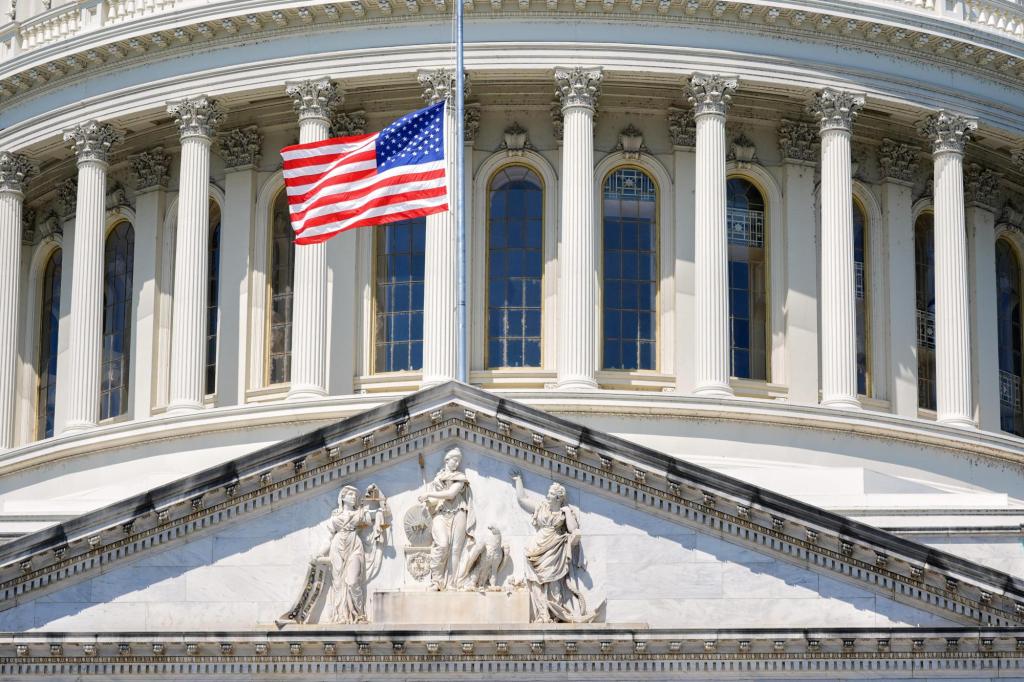
A revised Russia sanctions bill is gaining momentum in the Senate, driven in part by the legacy of the late Sen. Lindsey Graham, who made the measure one of his top legislative priorities, according to Pilot Online. The bill would impose tariffs of up to 100% on goods from countries that rank among the top five buyers of Russian oil or natural gas — targeting economies like China and India.
Supporters of Ukraine have pushed for this legislation for more than a year. The goal is to cut off the revenue Russia uses to fund its war against Ukraine, San Diego Union-Tribune reported.
Graham's Death Gives Sanctions Push New Urgency
Sen. Lindsey Graham was one of the loudest voices in Congress calling for tougher economic pressure on Russia. His death gave the bill renewed urgency among lawmakers who support Ukraine, according to Greeley Tribune. Colleagues who shared his views have rallied around the measure as a way to honor his work.
Graham had spent over a year pushing for legislation to hit Russia where it hurts most — its energy exports. The revised bill carries forward that mission with a narrower and more targeted approach.
Tariffs Cut from 500% to 100% to Win Allies
An earlier version of the bill proposed a blanket 500% tariff on goods from countries buying Russian energy. That raised alarms among some lawmakers. They worried the broad scope could hurt close U.S. allies that have also backed Ukraine, News-Herald reported.
The revised bill narrows the target. It now applies tariffs of up to 100% only to the world's top five buyers of Russian oil or gas. Countries that import less than 15% of their natural gas from Russia — and are actively working to cut that share — would be exempt from the tariffs.
China and India Emerge as Main Targets
The two countries most directly in the bill's crosshairs are China and India. Both rank among the largest buyers of Russian energy. Russia has leaned heavily on both nations to keep its export revenues flowing since Western sanctions began after the 2022 invasion of Ukraine, according to Journal-Advocate.
By focusing on the top five purchasers, the bill aims to pressure the biggest enablers of Russia's war economy. The tariffs would make it more costly for those countries to keep buying Russian oil and gas, squeezing the Kremlin's revenue stream.
Bill Faces a Long Road Through the Senate
Despite fresh support, the bill still faces significant hurdles. Passing sanctions legislation through the Senate is rarely quick. Lawmakers must balance punishing Russia with protecting trade relationships that the U.S. depends on, Pilot Online noted.
The revised structure — with its exemptions and lower tariff ceiling — is designed to bring more senators on board. Whether that is enough to move the bill to a full vote remains to be seen. Ukraine's supporters are pressing hard to make it happen.
Sentiment
NeutralNEGATIVENEUTRALPOSITIVE
Publishers
5
Articles
5
Reach
5
Topics
A
AnonymousAuthor


