Bangladesh Emergency Aid
World Bank Approves $1.1 Billion Emergency Aid for Bangladesh Amid Market Disruptions
Anonymous

Key Points
1
The package includes imports of 600,000 metric tonnes of fertiliser to cover the Aman and Boro seasons, with about half of the imported fertiliser (roughly 300,000 tonnes) being urea.
2
The Aman season runs July–October 2026 and the Boro season runs October 2026–April 2027, with fertiliser imports targeted for these periods.
3
The Contingent Emergency Response Project will finance rapid emergency expenditures including cash transfers and livelihood support for households and micro, small and medium enterprises, and will also fund fuel and energy imports to sustain essential services such as healthcare, electricity and water, and food distribution.
4
The World Bank approved the package on June 26, 2026.
The World Bank approved $1.1 billion in emergency financing for Bangladesh on June 26, 2026, as the Middle East conflict drives up global prices for fertilizer, fuel, and food. The package is designed to keep rice on the table for millions of Bangladeshis and stop a balance-of-payments crisis from spiraling out of control. Daily New Nation reported the funds will flow through two separate projects targeting food security and rapid crisis relief.
Bangladesh imports more than 85% of its chemical fertilizers. That makes it extremely vulnerable when global supply chains break down. With about half the population working in agriculture, a fertilizer shortage is not just a farming problem — it is a national emergency.
$300 Million to Secure 600,000 Tons of Fertilizer
The first pillar of the package is a $300 million Emergency Support for Food Security Project. It will fund imports of roughly 600,000 metric tons of fertilizer — about half of which, 300,000 tons, is urea. Urea is the key nutrient that Bangladesh's rice fields need most. Just News BD reported the fertilizer will cover 1.4 million hectares of paddy land.
The timing is critical. The Aman rice season runs July to October 2026. The Boro season follows, from October 2026 through April 2027. Together, these two seasons account for 90% of Bangladesh's total rice output. A fertilizer shortfall in either window could push rice prices into double digits and force costly grain imports, draining foreign reserves even further. World Bank Country Director Abdoulaye Seck said the financing is "a vital shield for the most vulnerable."
$713 Million for Cash Transfers, Fuel, and Essential Services
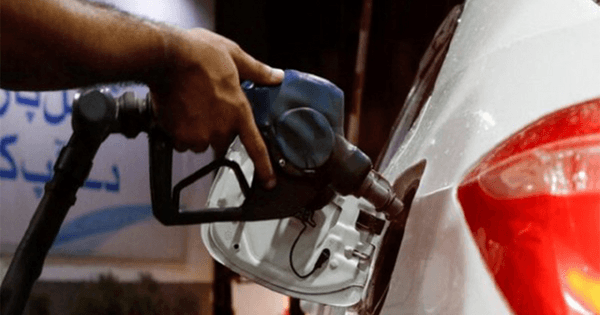
The second and larger pillar is a $713 million Contingent Emergency Response Project. This money moves fast — it is designed to finance rapid emergency spending. That includes direct cash transfers to struggling households and livelihood support for micro, small, and medium businesses hit hard by rising energy costs. The Indian Awaaz reported the funds will also cover fuel and energy imports.
The fuel funding is meant to keep essential services running: hospitals, electricity grids, and water systems. Standard Chartered analysts have called the $713 million component the more critical piece for "macro-stability," because it gives Bangladesh the foreign exchange needed to pay for fuel shipments that had already stalled. The aid is expected to prevent an estimated 2.5 million people from falling below the poverty line.
Middle East Conflict Triggers a Double Squeeze on Bangladesh
The crisis has two interlocking causes. First, the Middle East conflict disrupted Red Sea and Persian Gulf shipping lanes, slowing fertilizer deliveries. Second, natural gas — the main raw material for urea — surged in price as the conflict intensified. That pushed global fertilizer production costs to levels last seen in 2022. Bangladesh's central bank reported in late June that foreign exchange reserves had dipped to a "critical threshold."
The Bangladesh government petitioned both the World Bank and the IMF for emergency funds on June 18. Finance Minister Abul Hassan Mahmood Ali said the World Bank's response "allows us to maintain our social safety nets and keep the lights on in our hospitals and factories." The IMF is also working on a parallel package. Bangladesh still needs to finalize a roughly $2.5 billion deal with the IMF to fully shore up its reserves and prevent further weakening of the taka.
Critics Warn of Debt Risks and Missed Green Opportunities
Not everyone welcomes the package without caveats. Opposition figures from the BNP party called the emergency loan a sign of "mismanagement of reserves" and warned of debt trap risks. Independent economist Dr. Selim Raihan said the $713 million must actually reach micro-enterprises "currently being suffocated by energy costs" — not just flow to larger players. Bilyonaryo noted the World Bank stressed the aid aims to protect jobs and livelihoods amid ongoing external shocks.
Environmental groups raised a different concern. Organizations like BAPA — Bangladesh's leading environmental advocacy group — argued that spending $300 million on chemical fertilizers is a "missed opportunity" to shift toward organic farming and cut long-term import dependency. The $1.1 billion will add to Bangladesh's external debt stock, which analysts say will require strict fiscal discipline in the 2027-28 budget to manage responsibly.
Sentiment
Mostly PositiveNEGATIVENEUTRALPOSITIVE
Publishers
12
Articles
34
Reach
46
A
AnonymousAuthor