Tech Sell-off Intensifies
SoftBank Shares Plunge as Asia Tech Roiled by Global AI Investment Concerns
Anonymous
Key Points
1
Taiwan Semiconductor Manufacturing Company raised its full-year capital expenditure forecast to between $60 billion and $64 billion (up from prior guidance), underscoring continued focus on AI infrastructure spending even as investor concerns about returns persist.
2
Arm Holdings’ U.S.-listed shares declined by more than 5% as part of the broad AI/semiconductor sell-off, with SoftBank Group also tumbling in Asia as investors reevaluate exposure to AI investments.
3
SoftBank Group’s shares fell sharply in Asia amid the rout, reflecting the market’s sensitivity to AI infrastructure exposure and bets tied to Arm Holdings and other AI bets.
4
SoftBank CEO Masayoshi Son publicly predicted a $5 trillion annual AI investment by 2040, highlighting the tension between long-term AI optimism and near-term market risk.
5
Kioxia—Japan’s memory chip maker—plunged more than 14% after a Texas federal jury ordered it to pay damages in a Viasat patent case, amplifying concerns about AI-related chip valuations.
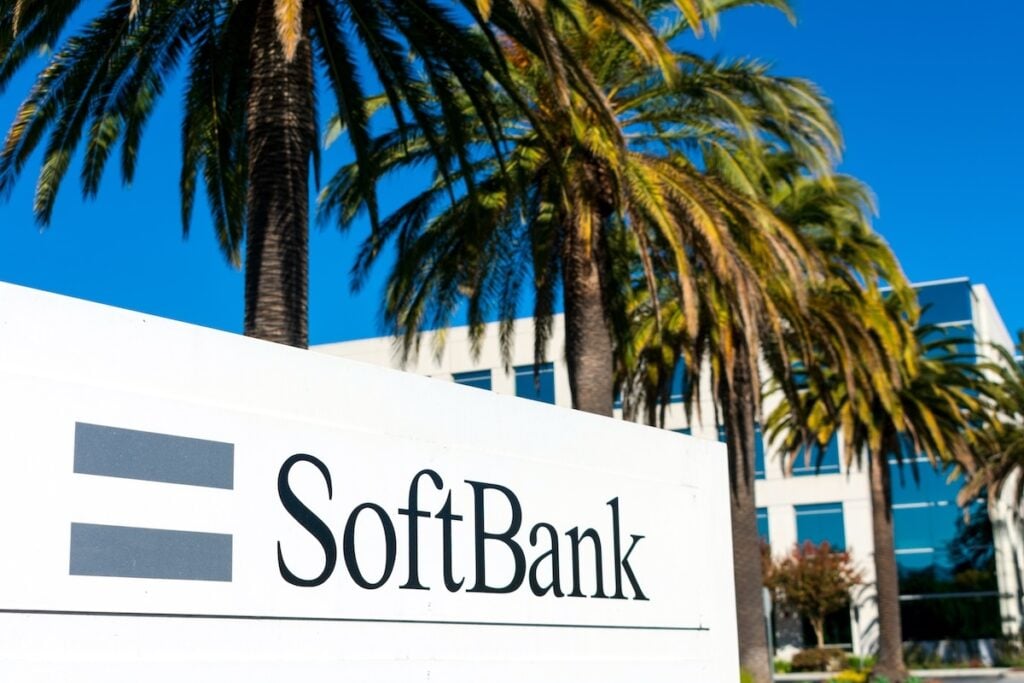
A fierce global tech sell-off hammered Asian markets on Friday, with Japan's Nikkei 225 falling as much as 6.18% before closing down 4.03% at 64,141.12 — putting it 11.4% below its record high and into correction territory, according to EBC. SoftBank Group led the carnage, tumbling 11% as investors dumped AI-heavy stocks amid fears that massive spending on AI infrastructure may never deliver the returns promised.
The rout spread from Wall Street to Tokyo and Taipei, with Taiwan's benchmark index dropping 4% and the Nasdaq falling about 1.5%, according to Crypto Briefing. Analysts called it a painful unwinding of crowded AI momentum trades — not a collapse in long-term AI fundamentals.
SoftBank Takes the Hardest Hit in Asia
SoftBank Group's 11% single-day drop made it one of the most visible casualties of the sell-off, according to Benzinga. The company sits at the center of the AI investment universe through its ownership stake in Arm Holdings, whose U.S.-listed shares fell more than 5%. Investors pulled back hard on anything tied to AI chip exposure.
SoftBank CEO Masayoshi Son has publicly predicted $5 trillion in annual AI investment by 2040. That grand vision now sits in tension with a market suddenly asking whether today's AI spending can justify today's valuations. Benzinga described the sell-off as "another wipeout" for tech momentum winners.
TSMC's Big Spending Plan Fails to Calm Nerves
Taiwan Semiconductor Manufacturing Company — the world's largest chipmaker — raised its full-year capital spending forecast to between $60 billion and $64 billion. That would normally be a sign of confidence. Instead, it spooked investors already worried about shrinking returns from AI infrastructure. Taiwan's benchmark index dropped 4% on the news, according to Crypto Briefing.
The fear is straightforward: if chipmakers keep spending tens of billions building AI infrastructure, but demand doesn't keep pace, profits could disappoint. Even strong profit guidance from TSMC wasn't enough to break that logic on Friday.
Kioxia Patent Loss Piles On the Pain
Japan's memory chipmaker Kioxia made a bad day worse. A Texas federal jury ordered Kioxia to pay damages after finding it violated Viasat patents. The company's shares plunged more than 14%, amplifying the broader anxiety about chip-sector valuations across Asia.
The Kioxia hit came on top of an already brutal session for Japanese tech stocks. The Nikkei 225 fell as low as 62,704.60 intraday before recovering slightly, according to EBC. The index's 11.4% drop from its all-time high of 72,366.34 marks its first confirmed correction in months.
Analysts See a Crowded Trade Unwinding, Not a Crash
Market analysts were quick to separate short-term pain from long-term outlook. According to KRRO, analysts called the Asian sell-off a "bloodbath" but tied it to the unwinding of crowded momentum positions — not a fundamental breakdown in the AI story. In other words, too many investors had piled into the same trade, and now they're getting out at the same time.
That distinction matters. AI spending isn't going away — TSMC's $60-64 billion capex plan makes that clear. But markets are repricing the risk that the returns from all that spending will take longer to arrive than investors had hoped. Until that tension resolves, AI and chip stocks remain vulnerable to sharp reversals.
Sentiment
Mostly NegativeNEGATIVENEUTRALPOSITIVE
Publishers
14
Articles
79
Reach
93
A
AnonymousAuthor


