AI chatbots spread election misinformation
Bipartisan House lawmakers urge federal agencies to address AI chatbot misinformation in elections
Anonymous
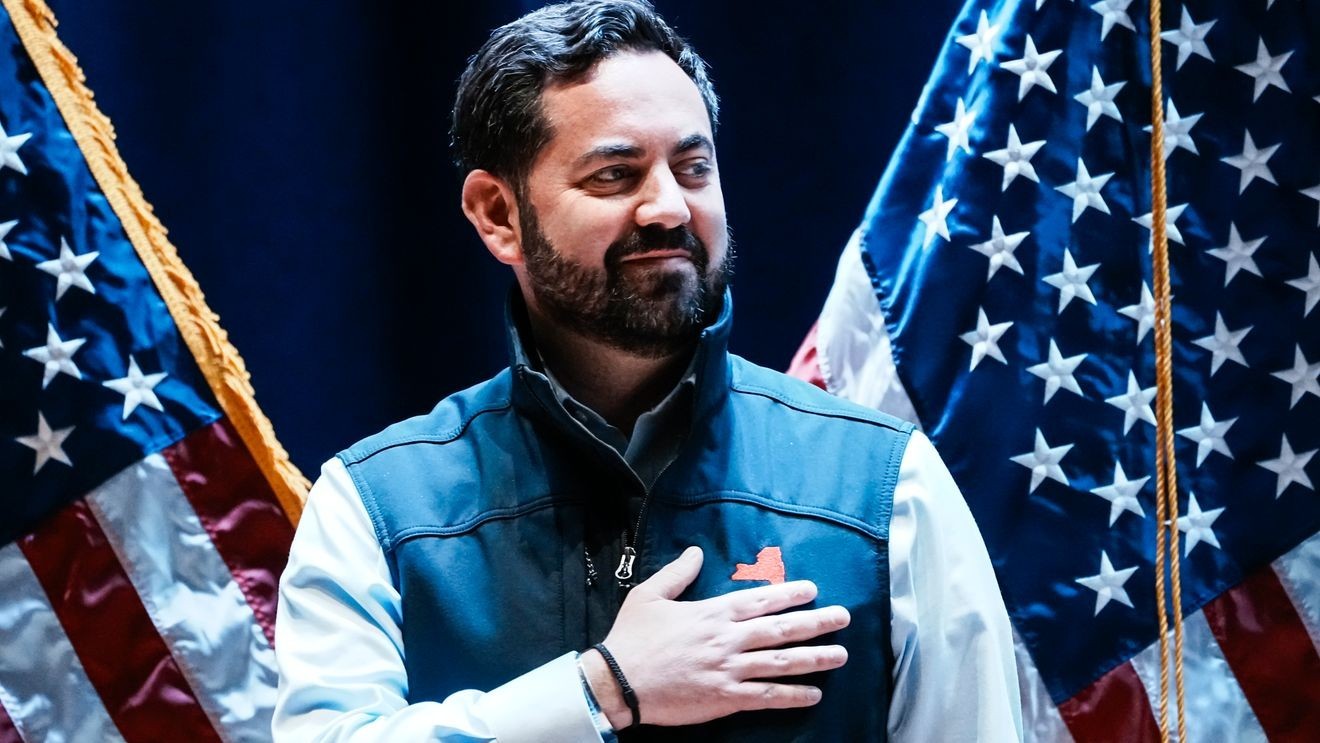
House lawmakers from both parties are pushing federal agencies to work together to stop AI from interfering in elections. News3LV reported that the lawmakers urged leaders at the Department of Homeland Security, the Department of Justice, the Cybersecurity and Infrastructure Security Agency (CISA), and the Federal Election Commission (FEC) to coordinate on election security.
The push comes after a study found that AI chatbots frequently gave voters wrong information about candidates. Voters who used AI tools to research before voting were often misled by inaccurate answers.
AI Chatbots Spread Wrong Voter Information in Study
The core concern driving the bipartisan push is a study showing AI chatbots gave inaccurate information to voters. When people asked these tools about candidates, the answers were often wrong. Researchers found this could mislead voters before they cast their ballots, making AI a new kind of election threat.
AI chatbots are tools that answer questions in plain language, like a search engine that talks back. Because millions of people use them daily, bad or wrong answers about candidates could reach a huge number of voters quickly. That scale is what worries lawmakers on both sides of the aisle.
Both Parties Unite to Demand Agency Coordination
It is rare for Democrats and Republicans to agree on anything, but AI election threats have brought them together. KUTV reported that lawmakers from both parties signed the letter urging the four agencies to collaborate. The letter called on DHS, DOJ, CISA, and the FEC to share information and work as a team.
Lawmakers want the agencies to stop operating in silos. Each agency handles a different piece of election security on its own. The letter argues that AI threats are too big and too fast-moving for any single agency to handle alone.
CISA and the FEC Face New Pressure to Act on AI
CISA is the agency in charge of protecting the country's digital systems, including election systems. The FEC oversees campaign finance and election rules. WGME reported that lawmakers want these two agencies, along with DHS and DOJ, to build a joint plan to address AI-driven election threats before it is too late.
No specific legislation was attached to the letter. But the pressure signals that Congress is watching closely. If agencies do not act, lawmakers may move to create new laws forcing them to respond to AI election interference.
Why AI Election Interference Is a Growing Threat
AI tools can create fake text, fake images, and fake audio that looks real. Bad actors can use these tools to spread lies about candidates or voting rules. KTUL noted that the concern is not just chatbots giving wrong answers — it is the entire range of AI tools that could be used to trick voters.
Elections in the United States are held across thousands of local jurisdictions. That makes them hard to protect all at once. Lawmakers argue that strong coordination between the top federal agencies is the only way to get ahead of AI threats before the next major election cycle.
Sentiment
NeutralNEGATIVENEUTRALPOSITIVE
Publishers
15
Articles
15
Reach
16
Topics
A
AnonymousAuthor


