Housing Bond Warning
California's $11.25 Billion Housing Bonds Face Scrutiny Amid Warnings of Increased Prices
Anonymous
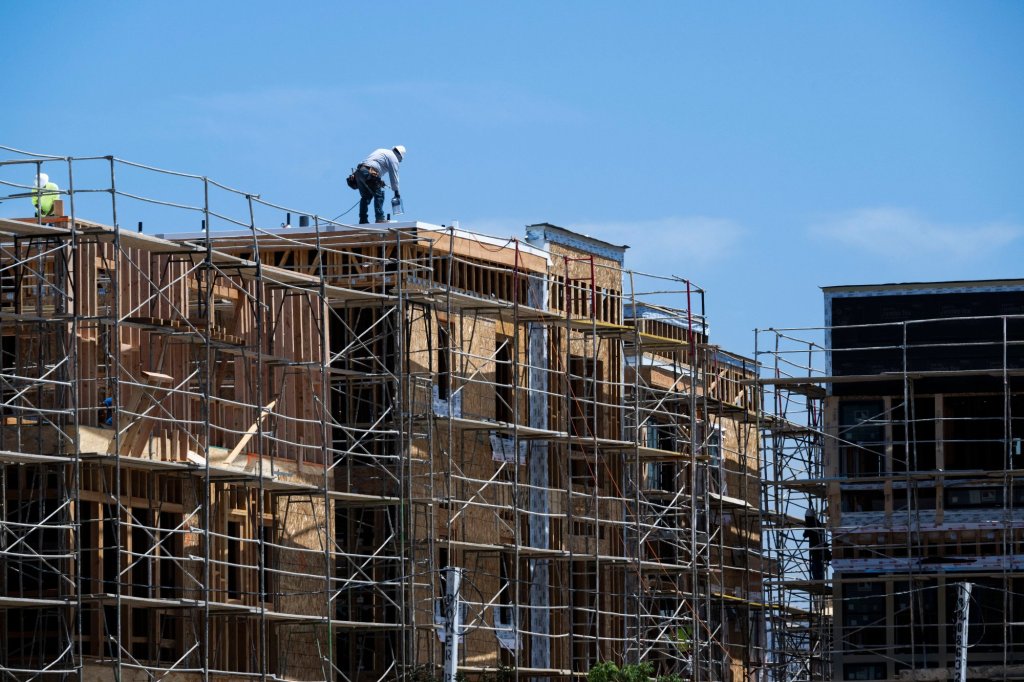
California voters face two big housing bonds on the November ballot, totaling more than $11 billion. But critics warn the measures could make the housing crisis worse, not better, according to OC Register.
The first is the $11.25 billion Veterans and Affordable Housing Bond Act. The second is the Middle-Class Homeownership Act. Together, they would cost the state $500 million to $600 million a year to repay, according to Press Telegram.
Only $1.25 Million Goes Directly to Veterans
Despite the name, the Veterans and Affordable Housing Bond Act sends very little money to veterans. Just $1.25 million of the $11.25 billion total is set aside for them. The rest — $10 billion — funds seven different housing programs, according to Daily News.
The largest chunk is $7.2 billion for rental housing. After that comes $1 billion for homeownership help for low- and moderate-income households. The rest is split among infrastructure ($500 million), farmworker housing ($450 million), student housing ($350 million), tribal housing ($200 million), and local pilot programs ($200 million), per Press Enterprise.
Analysts Say Bonds Could Drive Prices Higher
The Legislative Analyst's Office raised a key concern. More money flowing into housing programs could increase demand faster than new homes get built. That would push prices up, not down, according to Daily Breeze.
This is the central problem with subsidy-based housing policy. When the government helps more people buy or rent homes without adding more supply, competition grows. Prices rise. The people the bonds are meant to help end up priced out anyway, OC Register noted.
$500 Million Annual Repayment Strains the State Budget
California's general fund would take a hit every year to pay back these bonds. The annual cost runs between $500 million and $600 million. That money could otherwise go to schools, roads, or other public services, according to Press Telegram.
The state already faces budget pressure. Adding a half-billion-dollar annual debt payment raises questions about long-term fiscal health. Critics say the bonds are a costly bet on programs that may not fix the root causes of California's housing shortage, per Press Enterprise.
Real Fix Requires More Supply, Not Just More Spending
Housing experts widely agree that California's crisis stems from too few homes being built. Regulations, zoning laws, and slow permitting all limit supply. Bonds that fund subsidies do not remove those barriers, according to Daily News.
Without supply-side reforms, spending billions on housing assistance is like pouring water into a leaking bucket. Prices stay high. The gap between what people earn and what homes cost keeps growing. Voters will decide in November whether these bonds are worth the risk, Daily Breeze reported.
Sentiment
NeutralNEGATIVENEUTRALPOSITIVE
Publishers
5
Articles
4
Reach
5
Topics
A
AnonymousAuthor


