RNLI Rescuers Targeted
RNLI Volunteers Face Abuse and Online Targeting After Migrant Rescues in the Channel
Anonymous
Key Points
1
The RNLI has a long history of rescue work beyond the current dispute: it has saved an average of two lives a day over 200 years, including more than 6,000 people during the Second World War and both Allied and Axis aircrew who came down in the sea.
2
The Portsmouth protest followed an earlier demonstration at Dover, where about 150 anti-migration protesters—some wearing face coverings—blocked roads serving the port and disrupted traffic for several hours.
3
Hope not Hate chief executive Nick Lowles said the online post identifying two rescuers had “literally put a target on their backs”; the post reportedly received 19,000 likes and more than half a million views within hours.
4
Social media manager Simon Harris, who has raised more than £337,000 for the RNLI since 2021, argued that publishing volunteers’ names and personal details should be made a criminal offence.
5
Commentators linked the dangerous crossings to the absence of a post-Brexit returns agreement between the United Kingdom and the European Union and to the limited returns arrangement with France; the article also said that this summer recorded the fewest Channel arrivals since 2020.
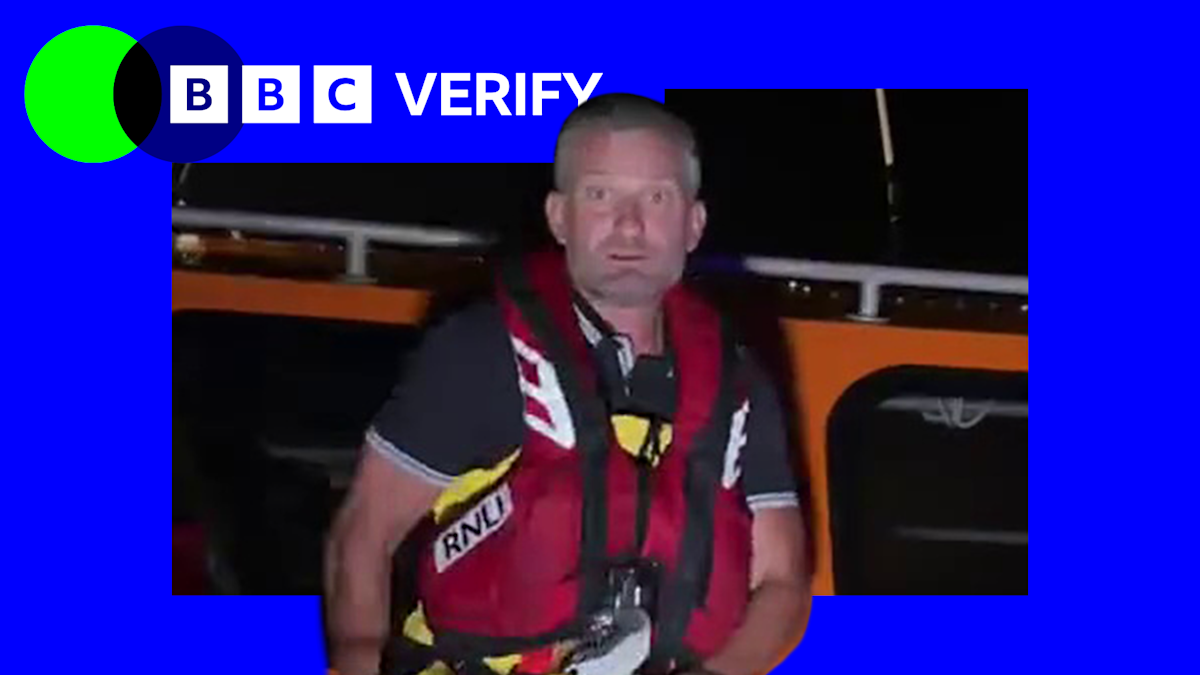
RNLI volunteers across the south coast faced harassment and online targeting after rescuing roughly 120 to 140 people from a small boat in the Channel. BBC reported that protesters branded rescuers "traitors" and circulated names, photographs, and reportedly personal addresses on social media, putting volunteers at serious risk. The RNLI has now strengthened security plans and told volunteers they can leave locations or avoid wearing branded clothing in public if threatened.
The abuse follows anti-migrant demonstrations in Portsmouth and Dover, where protesters blocked roads and disrupted traffic. Yahoo News reported that one volunteer was wrongly identified and branded a "traitor" online after being filmed in lifeboat gear. Lifeboat crews are legally obligated to rescue anyone in danger at sea, regardless of nationality or immigration status, but the hostility highlights growing tensions over Channel crossings and government migration policy.
Volunteer Names Shared Widely Across Social Media
Anti-migrant activists identified and shared personal details of RNLI volunteers online, triggering widespread abuse. BBC reported that one post identifying two rescuers received 19,000 likes and over half a million views within hours. Hope not Hate chief executive Nick Lowles said the post had "literally put a target on their backs." Social media manager Simon Harris, who has raised £337,000 for the RNLI since 2021, called for publishing volunteers' names and addresses to be made a criminal offence.
RNLI's Two-Century Rescue Legacy Beyond Current Dispute
The RNLI has saved an average of two lives a day over 200 years. During World War II alone, the charity rescued more than 6,000 people, including both Allied and Axis aircrew who came down in the sea. The organization is entirely volunteer-run and receives no direct state funding. Express noted that RNLI volunteers risk their lives daily to perform rescue operations regardless of who needs help or where they come from.
Dover Protest Blocks Port Traffic for Several Hours
Before the Portsmouth demonstrations, about 150 anti-migration protesters gathered at Dover and blocked roads serving the port. Some wore face coverings to hide their identities. The protest disrupted traffic for several hours and drew criticism from government officials who condemned the demonstrations as intimidating. The British government argued that such hostility contradicts the legal duty of lifeboat crews to rescue people in danger at sea.
Brexit Policy and Limited EU Returns Drive Dangerous Crossings
Commentators linked the dangerous Channel crossings to the absence of a post-Brexit returns agreement with the European Union and a limited arrangement with France. Despite these factors, this summer recorded the fewest Channel arrivals since 2020. Analysts say that without formal returns agreements, migrants continue attempting perilous journeys despite increased risks. The RNLI rescue operations reflect the ongoing crisis rather than causing it, critics argue.
Sentiment
Mostly NegativeNEGATIVENEUTRALPOSITIVE
Publishers
15
Articles
21
Reach
36
A
AnonymousAuthor


