Geopolitical Energy Market Risks
Oil Prices Dip as Iran Tensions Escalate Ahead of Expected US Sanctions
Key Points
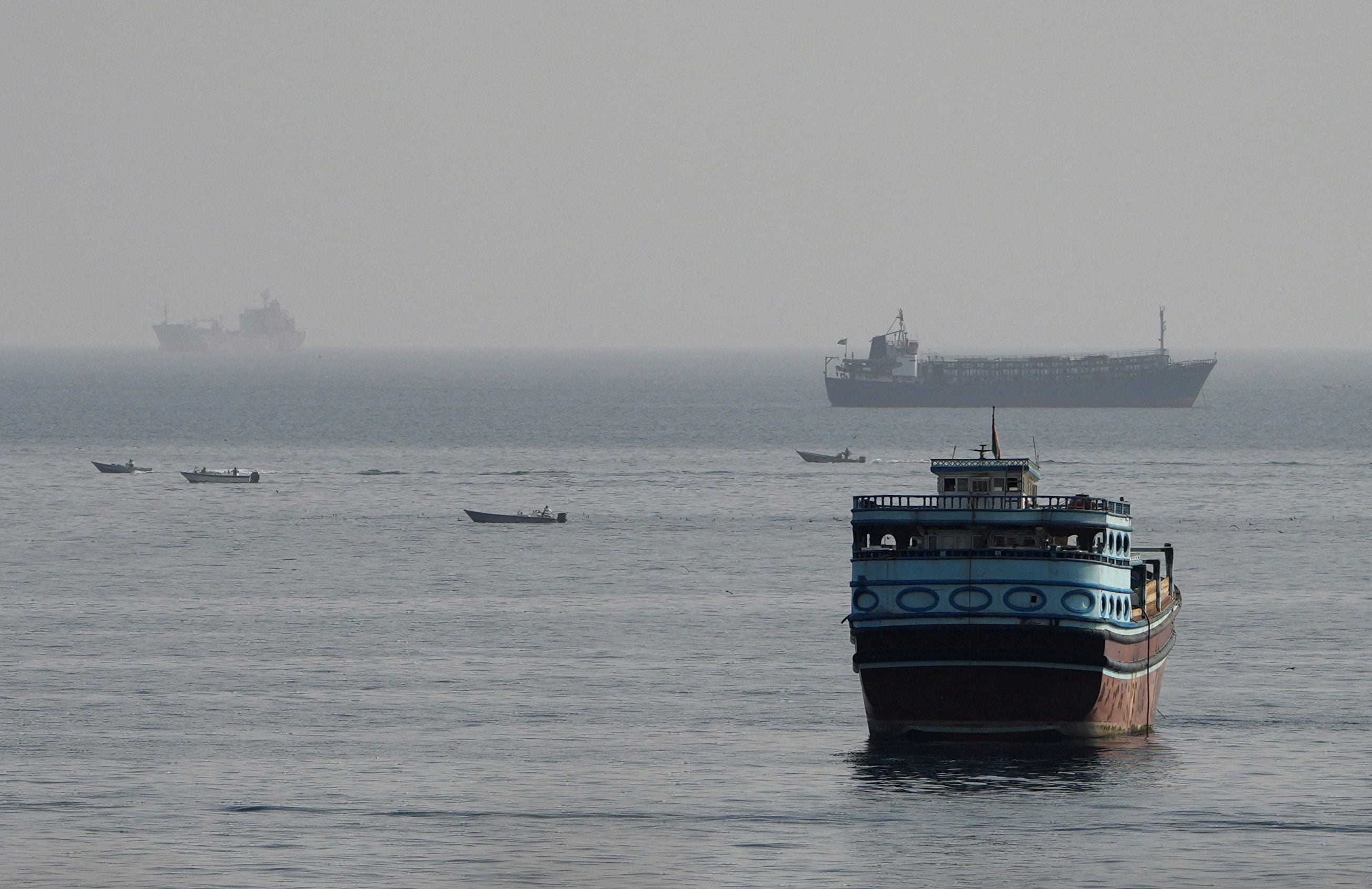
Iran warned it could detain or confiscate vessels that violate its transit rules through the Strait of Hormuz, intensifying the risk for shipping as the US readies additional sanctions on Tehran.
Strait of Hormuz traffic remains volatile with ongoing routing adjustments; MarineTraffic data showed at least six vessels crossing Hormuz in the last 24 hours, while traffic through Bab al-Mandeb stayed notably higher with around 44 vessels moving through the Red Sea route.
Italy extended its diesel relief by one extra day as part of policy measures to shield consumers from higher fuel costs amid the war's impact on energy markets.
Saudi exports are being rerouted around Africa or via Egypt’s Sidi Kerir port due to Yemen’s Houthis threatening tankers through Bab al-Mandeb, adding weeks to voyages and raising costs for Asian and other buyers.
The United States prepared to announce sanctions on Iran, described as potentially the toughest in history, with a scheduled briefing by Treasury Secretary Scott Bessent; Iran also granted passage through the Strait to several Iraqi oil tankers amid ongoing tensions.
Oil prices dipped more than $1 per barrel as traders braced for US sanctions on Iran that could disrupt Middle East supplies MarketScreener. Brent crude settled around $93 per barrel while West Texas Intermediate hovered in the mid-$80s, with markets weighing the risk of Tehran restricting the Strait of Hormuz, one of the world's most critical shipping lanes Yahoo Finance.
The price decline reflected investor caution ahead of Treasury Secretary Scott Bessent's briefing on what the US described as potentially the toughest Iran sanctions in history. Meanwhile, Iran signaled it could tighten control over the Strait of Hormuz by detaining or seizing vessels that violate its transit rules, adding to supply concerns that have already disrupted shipping routes across the Middle East.
Strait of Hormuz Traffic Reroutes Amid Rising Tensions
Ship traffic through the critical Strait of Hormuz remains volatile as traders seek safer passage routes. MarineTraffic data showed at least six vessels crossed Hormuz in a single 24-hour period, while traffic through the Red Sea's Bab al-Mandeb strait surged to around 44 vessels per day. This shift reflects growing concern over Iran's threats to detain tankers in the Gulf.
Saudi Arabia is now rerouting exports around Africa or through Egypt's Sidi Kerir port to avoid Yemen's Houthis, who have threatened tankers in the Red Sea. These longer routes add weeks to voyages and raise shipping costs for Asian and other international buyers, pushing up fuel prices at the pump.
US Sanctions Strategy Targets Iran's Trading Partners
The United States is preparing to announce sanctions designed to economically isolate Iran by punishing countries and companies that trade with Tehran. Treasury Secretary Scott Bessent scheduled a briefing to outline the new measures, which officials described as potentially the strongest sanctions ever imposed on the Iranian government Yahoo Finance.
These sanctions aim to pressure Iran's oil exports and cut off financing for military operations. However, Iran has already granted passage to several Iraqi oil tankers through the Strait of Hormuz, showing it is willing to make strategic exceptions even as tensions with the US mount MarketScreener.
Price Stability Suggests Markets See Limited Upside Risk
Unlike earlier price spikes that pushed oil toward record highs, late August price movements align more closely with energy forecasts. Analysts now assess a lower probability of new all-time highs despite geopolitical risks. This measured response reflects trader confidence that supply disruptions, while real, may remain limited in scale Yahoo Finance.
Italy's one-day extension of diesel relief measures showed governments moving to shield consumers from higher fuel costs. The broader picture: oil markets are pricing in real Middle East risks but not catastrophic supply collapse. Volatility will persist, but $100-plus barrels appear unlikely unless Iran's threats turn into action.
Sentiment
Mostly NegativePublishers
19
Articles
48
Reach
67


