Drone Delivery Takes Flight
New FAA Rules Poised to Accelerate US Drone Delivery Race for Dominance
Anonymous
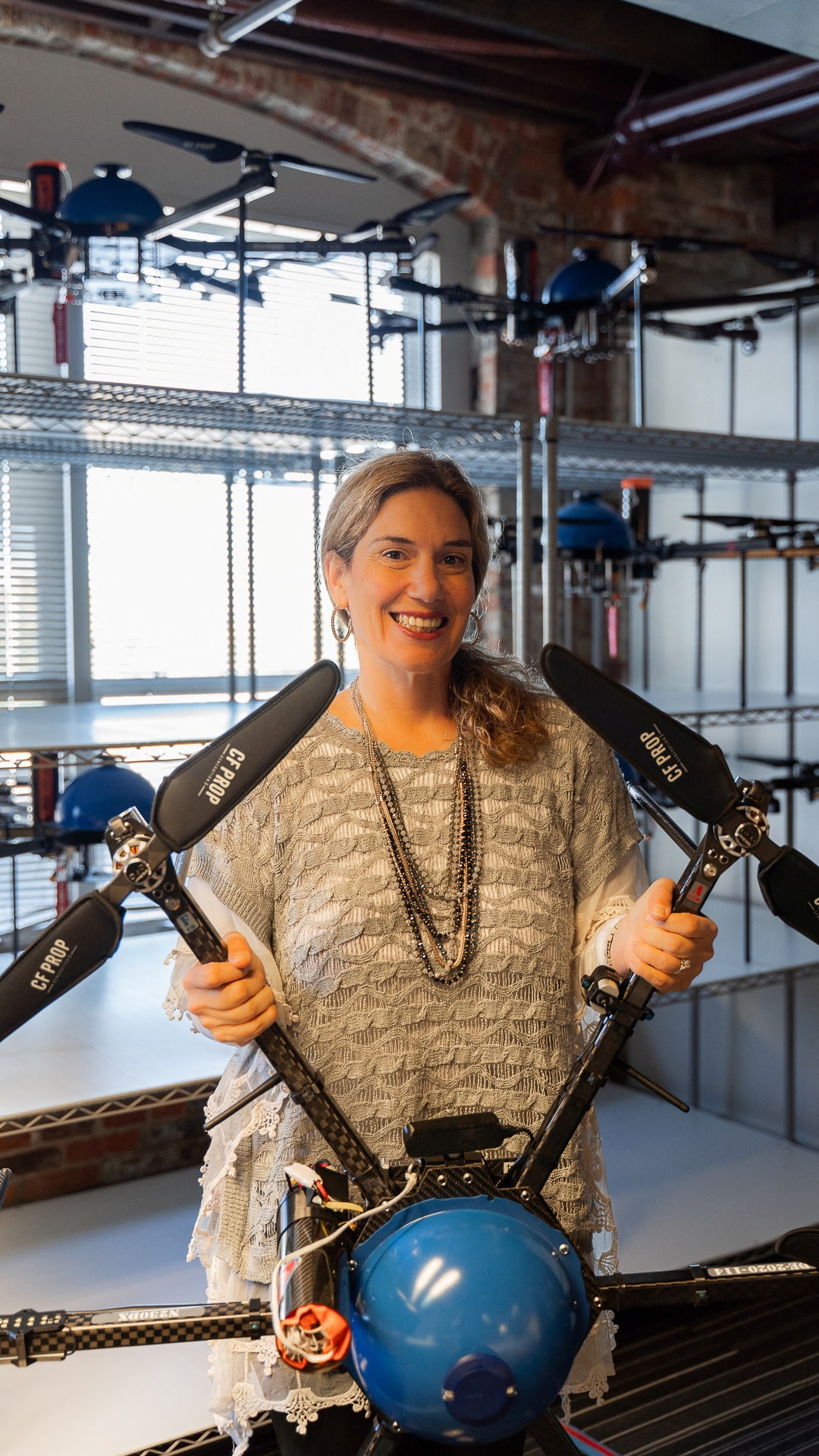
The Federal Aviation Administration has proposed sweeping new rules that could dramatically expand drone deliveries across the United States, according to Crossroads Today and Channel 3000. If adopted, the rules would let companies fly drones over people and beyond a pilot's line of sight far more freely — two restrictions that have long bottlenecked the industry.
The drone delivery race is already well underway before the rules are even finalized. Companies are competing fiercely to lock up customers, routes, and city contracts. The new FAA framework could turn a fast-moving industry into a full sprint, Tulsa World reports.
FAA Proposes Rules to Unlock Drone Airspace
The FAA's proposed regulations target two major barriers. First, drones currently must stay within sight of a human operator at all times. Second, flying over crowds of people is tightly restricted. The new rules would loosen both limits, according to Crossroads Today. That would let companies run far larger delivery networks with fewer staff on the ground.
The agency is still collecting public feedback before making the rules final. But industry players are not waiting. Many companies have already built out infrastructure in anticipation of a more permissive regulatory environment, Channel 3000 reported.
Who Is Leading the Drone Delivery Pack
Several major players are battling for dominance in the US drone delivery market. Amazon's Prime Air, Wing (owned by Google's parent Alphabet), and Walmart-backed Zipline are among the biggest names. Each has been running limited delivery programs in select cities, racing to prove their technology works at scale, according to Wisconsin News.
Wing has logged hundreds of thousands of deliveries in US test markets. Zipline, originally known for medical supply drops in Africa, has pivoted hard toward US consumer delivery. Amazon has faced repeated delays but continues to invest heavily. The competition is intensifying as the regulatory window looks set to open wider, Bismarck Tribune reports.
Why Drone Delivery Has Been So Slow to Take Off
Despite years of hype, drone delivery has remained a niche service. Strict FAA rules are a big reason. Companies also face real-world hurdles: noisy drones, limited payload capacity — most can carry only a few pounds — and the challenge of landing safely in dense neighborhoods, according to Greensboro and Rapid City Journal.
Public acceptance is another obstacle. Some residents have raised concerns about privacy, noise, and safety. Local governments have passed their own restrictions in some cities, adding another layer of red tape on top of federal rules. The industry has had to fight battles on multiple fronts at once, Dothan Eagle reports.
New Rules Could Spark a Market Worth Billions
Analysts see enormous economic potential if the FAA moves forward. The US drone delivery market could be worth tens of billions of dollars within the next decade. Faster delivery times — some companies promise under 30 minutes — are a major selling point for retailers and healthcare providers alike, according to Waco Tribune.
The rules would also put the US in direct competition with countries like China, which has moved faster on drone infrastructure. Regulators and industry leaders agree that falling behind globally is a real risk. Kearney Hub notes that momentum is already building — and the FAA's next move could determine who wins the race.
Sentiment
NeutralNEGATIVENEUTRALPOSITIVE
Publishers
16
Articles
16
Reach
16
Topics
A
AnonymousAuthor


