Remembering artist Lucien Smith
New York artist Lucien Smith, known for iconic Rain Paintings, dies at 37
Anonymous
Key Points
1
Smith’s 2011 Cooper Union thesis exhibition, “Imagined Nostalgia,” drew the attention of dealer Jeanne Greenberg Rohatyn. A painting from the show featuring Winnie-the-Pooh’s tree later sold for $389,000 at auction in 2013, after originally being purchased for $10,000.
2
Before the Rain Paintings became his signature, Smith’s first solo gallery exhibition, “Good Vibrations,” at Half Gallery in New York featured appropriated guitar bodies transformed into wall sculptures with paint, bottle caps, glitter and tin foil. Dealer Bill Powers described the work as “John Armleder meets junkyard Duchamp.”
3
Smith spoke openly about the personal costs of his rapid rise, including difficulties with relationships and substance abuse. In a 2014 interview, he said, “It’s perverse, and it becomes conflicting, because the thing that you used to use to escape reality is now just your reality.”
4
Smith’s upbringing spanned both coasts: he was born in Los Angeles, raised on New York’s Lower East Side, and later returned to New York for Cooper Union after his parents—his mother a fashion designer and his father an artist and musician—moved the family back to Los Angeles.
5
Friends and fellow artists emphasized Smith’s role as a community builder. Dealer Bill Powers said Smith was “always seeking community, and trying to create hubs for people,” while artist Joel Mesler said he was glad Smith had “found some serenity later in life.”
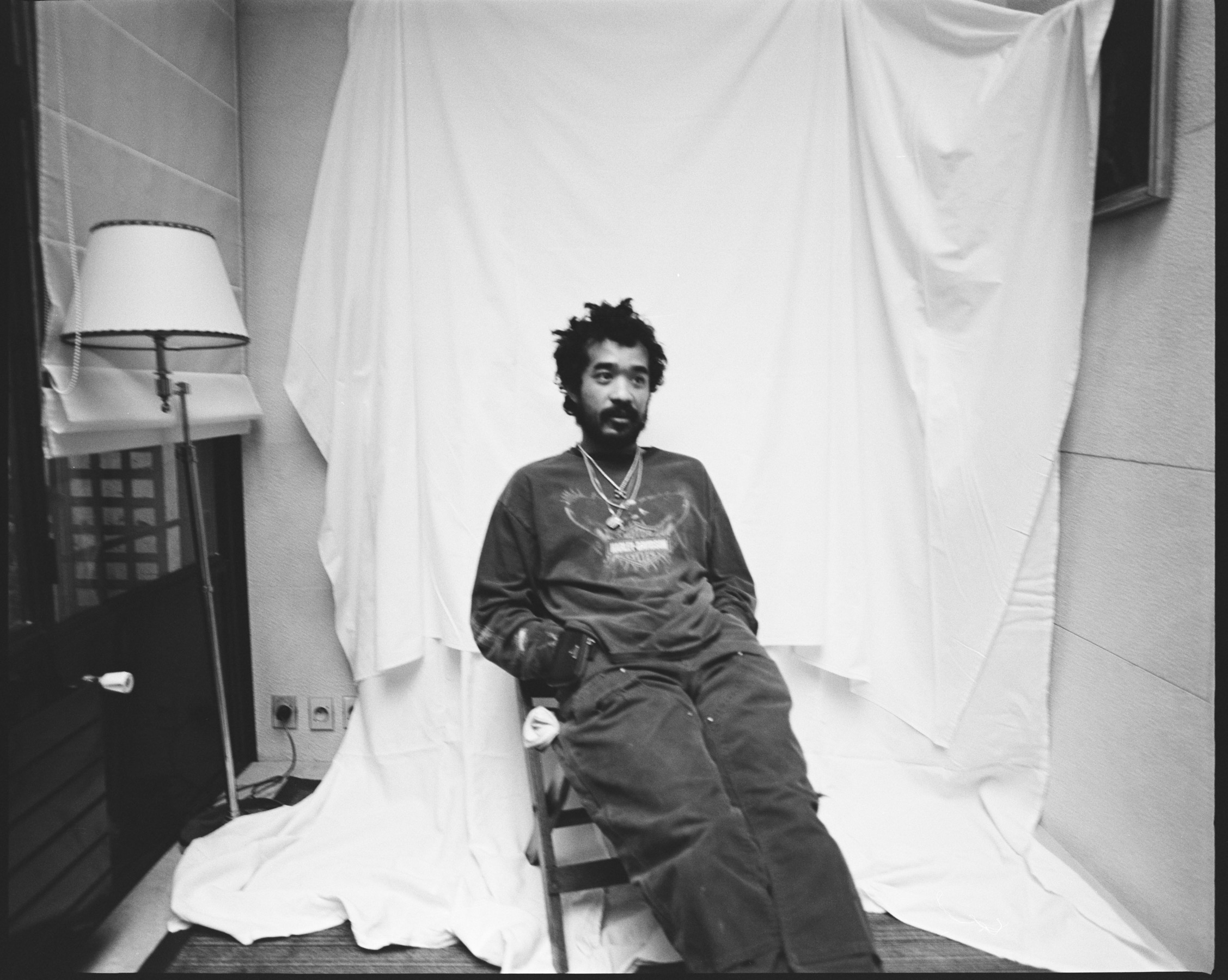
Lucien Smith, the New York artist whose spray-painted "Rain Paintings" defined the city's art boom of the early 2010s, has died at 37, according to people close to him and gallery representatives. Art Review reported that Smith graduated from Cooper Union in 2011 and quickly became a central figure in "Zombie Formalism," a market-driven movement that propelled young artists to sudden fame and fortune. The cause of his death has not been disclosed.
Smith's trajectory—from unknown to celebrated to critic of his own success—defined a generation of artists grappling with rapid commodification. A painting from his 2011 thesis show sold for $389,000 at auction in 2013, despite being purchased for just $10,000 years earlier. In recent years, he stepped back from commercial galleries to focus on community work, including the nonprofit Serving the People and a Chinatown restaurant.
From Unknown to Market Sensation in Months
Smith's rise began with his Cooper Union thesis exhibition, "Imagined Nostalgia," in 2011. Dealer Jeanne Greenberg Rohatyn noticed his work, which featured spray-painted canvases created with fire extinguishers—his signature technique. Before the Rain Paintings took off, Art Review noted that his first solo show, "Good Vibrations" at Half Gallery, featured transformed guitar bodies covered in paint, glitter, and tin foil. Dealer Bill Powers called the pieces "John Armleder meets junkyard Duchamp."
The market responded with staggering speed. A single painting from his thesis show—featuring a Winnie-the-Pooh reference—jumped from a $10,000 sale to $389,000 at auction by 2013. Smith landed on Forbes' "30 Under 30" lists and became synonymous with the explosive art boom reshaping New York's downtown scene.
The Personal Cost of Sudden Success
Smith openly discussed the damage caused by his rapid ascent. In a 2014 interview, he reflected on the paradox: "It's perverse, and it becomes conflicting, because the thing that you used to use to escape reality is now just your reality." He struggled with relationships and substance abuse as his art became a commodity rather than a refuge.
By his late twenties, Smith had begun withdrawing from commercial galleries and the market machinery that made his name. Cultbytes reported that he expanded into film, fashion, music, and design—shifting away from the narrow identity of "wunderkind painter" that had defined him.
Community Work Became His Focus Later in Life
In his final years, Smith devoted himself to supporting emerging artists and building community hubs. He co-founded Serving the People, a nonprofit, and opened a restaurant in Chinatown. Dealer Bill Powers emphasized that Smith was "always seeking community, and trying to create hubs for people." These efforts represented a deliberate pivot from the commercial art world that had made him famous.
Artist Joel Mesler said he was grateful Smith had "found some serenity later in life" after the turbulence of his twenties. Smith's upbringing—born in Los Angeles, raised on New York's Lower East Side, and educated at Cooper Union—shaped his deep connection to the city's downtown art community, which he ultimately chose to nurture rather than exploit.
Sentiment
Mostly NegativeNEGATIVENEUTRALPOSITIVE
Publishers
14
Articles
1
Reach
15
A
AnonymousAuthor


