Widespread Wildfire Smoke Threat
Wildfires Blanket US Midwest and Northeast with Dangerous Smoke, Exposing Millions
Anonymous
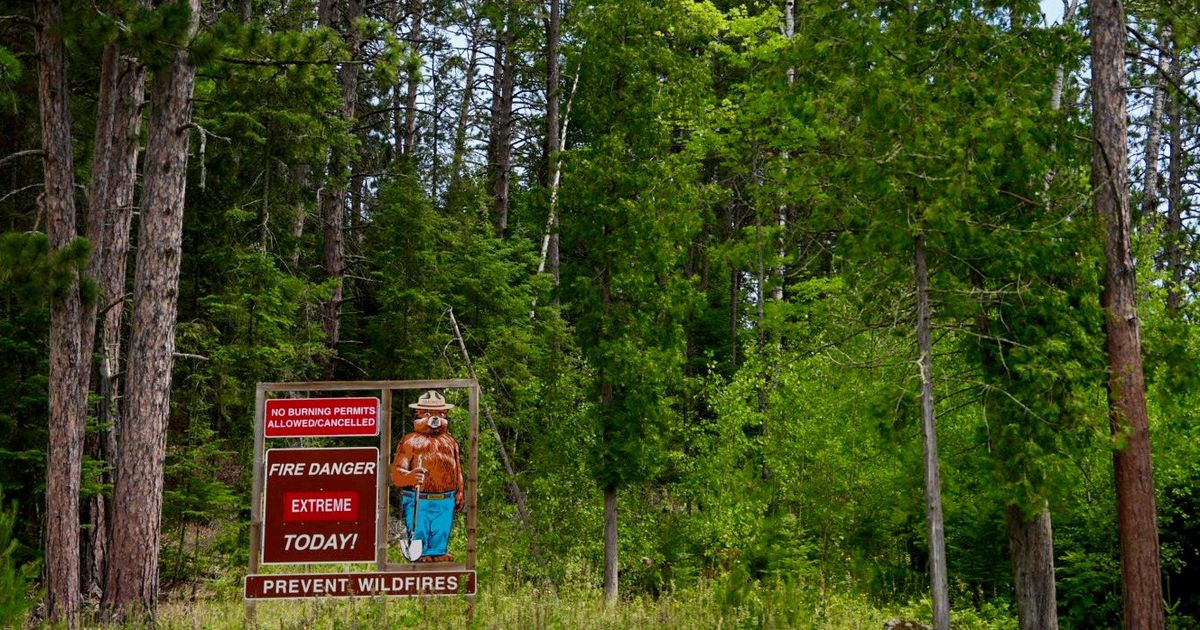
Millions of people across the Midwest and Northeast US face dangerous air pollution this week as heavy smoke from large wildfires in Canada and Minnesota drifts south and east, according to The Atlanta Journal-Constitution. The smoke carries fine particulate matter — tiny particles that can enter the lungs and trigger shortness of breath, coughing, dizziness, and fatigue, and can worsen heart and lung diseases.
Minnesota has issued an air quality alert running from Tuesday through Friday, covering the Twin Cities metro area, Alexandria, and Two Harbors, The Seattle Times reported. By Wednesday afternoon, the National Weather Service predicts intense smoke will reach parts of New England, northern Pennsylvania, Detroit, and Milwaukee.
Minnesota Wildfires Spreading Fast Across the Northeast
Several large wildfires are burning in Canada and Minnesota. Together, they are pumping enormous amounts of smoke into the atmosphere. Minnesota officials say the state's northeastern corner is being hit hardest, with heavy smoke expected to blanket that region for days, according to The Star.
The National Weather Service is tracking how the smoke moves. Officials say it will push eastward as the week goes on. By midweek, major cities like Detroit and Milwaukee could see air quality drop to dangerous levels. Parts of the New England coast are also in the forecast path, Newsday reported.
Michigan and Wisconsin Brace for Days of Poor Air
Officials in Michigan and Wisconsin have already raised alarms. Both states warned residents that poor air quality could last for several days, not just a single afternoon. That kind of prolonged exposure raises serious health risks, especially for older adults, children, and people with asthma or heart disease, according to Winnipeg Free Press.
Fine particulate matter — often called PM2.5 — is the main danger from wildfire smoke. These particles are so small they pass through the nose and throat and go deep into the lungs. Health experts say even a few hours of heavy exposure can cause real harm to vulnerable people.
Health Risks Mount as Smoke Lingers Over Dense Cities
Wildfire smoke is not just an inconvenience. It can cause shortness of breath, coughing, dizziness, and fatigue even in healthy people, The Atlanta Journal-Constitution reported. For people with existing heart or lung disease, it can trigger serious medical events. Doctors urge people to stay indoors and keep windows closed when air quality is poor.
The risk is especially high in densely populated areas like the Twin Cities and cities along the East Coast. Millions of people live in the zones expected to see the worst smoke. Officials are urging residents to check local air quality indexes and limit outdoor activity, particularly strenuous exercise, during peak smoke hours.
Alerts Expected to Stretch Into the Weekend
Minnesota's air quality alert runs through Friday, but forecasters have not ruled out extending warnings if fires continue to burn and winds keep pushing smoke south. The Seattle Times noted that the alert covers some of the state's most populated areas, meaning hundreds of thousands of residents are directly affected.
This event echoes the 2023 Canadian wildfire smoke crisis, which turned New York City skies orange and pushed air quality to record-bad levels across the eastern US. Officials say residents should treat current warnings seriously and take protective steps now rather than wait for conditions to worsen.
Sentiment
NeutralNEGATIVENEUTRALPOSITIVE
Publishers
5
Articles
5
Reach
5
A
AnonymousAuthor


