Bridging the STEM Gap
Surging Interest in Space Science Fails to Sustain Long-Term STEM Career Growth
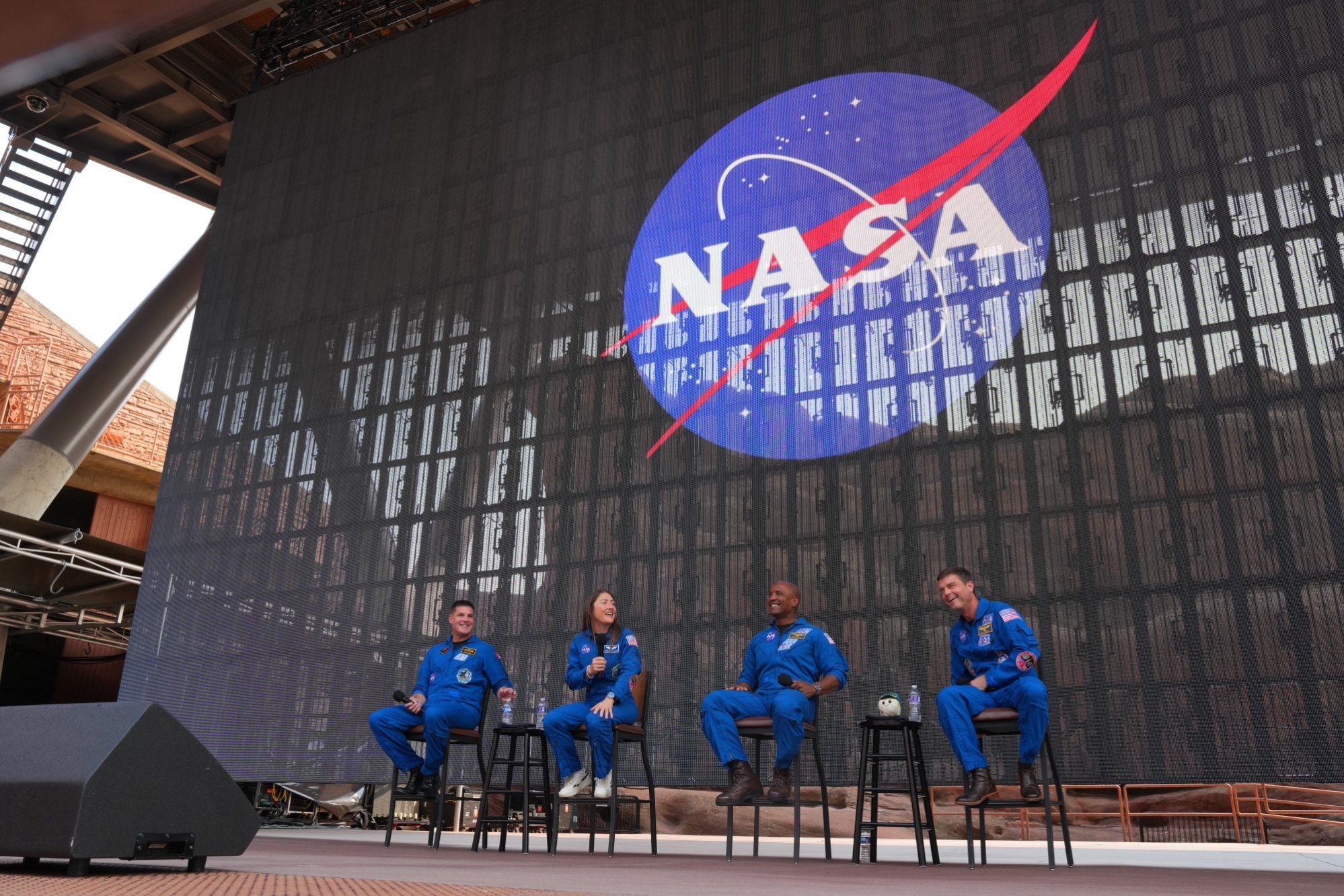
Astronomy and space sciences are capturing young people's imagination like never before. High-profile events such as the Morning Journal reports Artemis II moon mission in April, solar and lunar eclipses, and the Perseid meteor shower have sparked widespread interest among students. Yet educators and industry leaders warn that converting this excitement into lasting STEM careers remains a critical challenge for the United States.
The timing is crucial. According to labor data, STEM jobs are expected to grow by at least 8% over the next decade. Colorado's aerospace industry has expanded by 88% in the past two decades—more than any other emerging sector in Denver and Boulder—showing where opportunity meets demand. Citizens Voice notes that Hollywood blockbusters like "The Martian" and "Project Hail Mary" have amplified interest among young audiences, but scientists worry the pipeline isn't strong enough.
High-Profile Space Events Ignite Student Interest
Recent cosmic spectacles have become powerful recruitment tools for science. Orlando Sentinel reports that the Artemis II mission, solar eclipses, and meteor showers have generated enthusiasm among young people nationwide. These events create teachable moments when students naturally ask questions about space and science. Schools report packed planetariums and sold-out telescope workshops during peak viewing periods.
Hollywood's Role in Sparking Space Curiosity
Entertainment has become an unexpected ally in science education. Capital Gazette notes that films like "The Martian" and "Project Hail Mary" have resonated with young audiences, making space exploration feel exciting and achievable. These movies show scientists solving real problems—not as lab-coat stereotypes, but as resourceful problem-solvers. The spillover effect drives teenagers to explore actual astronomy and engineering during their free time.
The STEM Career Pipeline Faces a Retention Crisis
Interest in space doesn't automatically translate to STEM degrees and careers. Journal-Advocate reports that while young people are drawn to astronomy, many struggle with advanced math and physics courses required for aerospace jobs. Educators say the excitement peaks during eclipse season or mission announcements, then fades when students encounter rigorous coursework. Schools lack sufficient funding for hands-on labs and mentorship programs that could sustain engagement.
The challenge is nationwide. Baltimore Sun notes that the US aerospace industry is competing globally for talent, yet domestic STEM pipelines remain underfilled. Colorado's 88% growth in aerospace jobs over two decades shows the sector is thriving—but only if qualified workers exist to fill those positions. Without intervention, the surge of space interest may fade into nostalgia rather than fuel a generation of scientists and engineers.
What Schools and Industry Must Do Now
Experts say sustained engagement requires investment beyond viral moments. San Diego Union Tribune reports that schools need funding for advanced STEM programs, paid internships, and astronomer and engineer mentors who visit classrooms. Industry partnerships—particularly in aerospace hubs like Colorado—can connect students with real jobs and career paths. Without structural support, the current wave of enthusiasm will pass without building the workforce the nation needs.
Sentiment
NeutralPublishers
15
Articles
15
Reach
15


