Diesel Price Shock
Record U.S. Diesel Prices Complicate Inflation Outlook and Federal Reserve Decisions
Anonymous
Key Points
1
U.S. distillate inventories fell by 2.2 million barrels to 103.4 million barrels for the week ending Aug. 26—about 15% below the five-year average—leaving the market unusually exposed to further disruptions.
2
The diesel crack spread reached $102.20 a barrel on Aug. 17, 2026, becoming the first triple-digit refining margin on record and surpassing the roughly $89 peak recorded during the 2022 Russia-Ukraine energy shock.
3
An estimated 7 million to 8 million barrels per day of global refining capacity—about 7% of the total—is offline, including roughly 5 million barrels per day affected by strikes on Russian refineries and another 2 million barrels per day shut in the Middle East.
4
The global fuel-oil deficit is projected to reach about 218,000 barrels per day in the third quarter of 2026, compared with only 6,000 barrels per day a year earlier; marine-fuel inventories near major hubs are about 30% below seasonal norms, while Singapore very-low-sulfur bunker prices have risen roughly 76%.
5
JPMorgan economist Bruce Kasman forecasts a 0.21% monthly increase in core U.S. CPI, which he said could be low enough to keep the Federal Reserve on hold temporarily, while warning that central banks are increasingly moving toward rate increases as the energy shock persists.
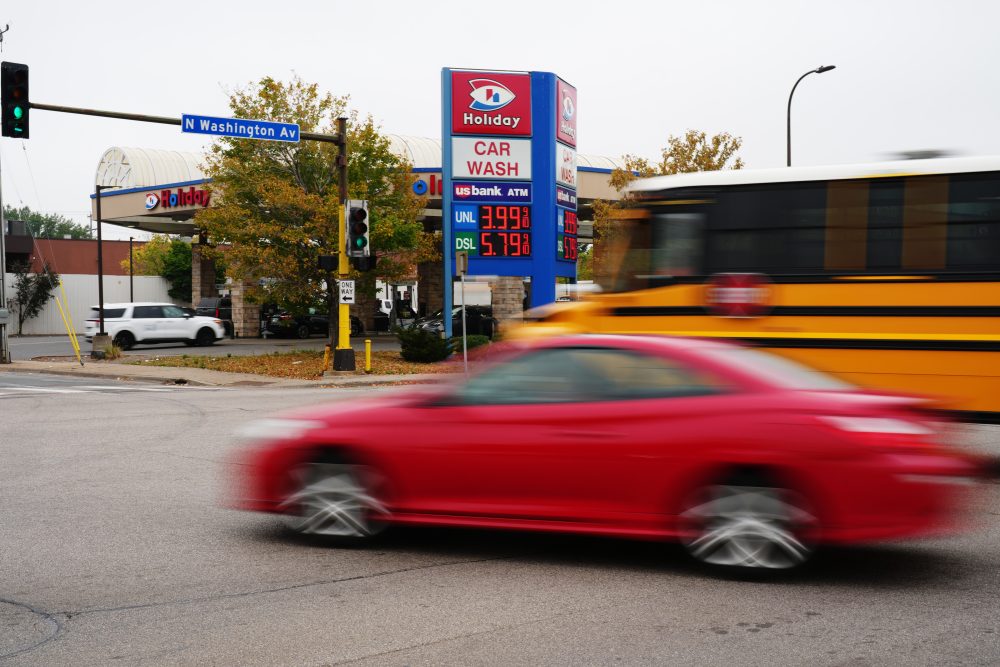
Record diesel prices are now the biggest threat to U.S. inflation, even as crude oil supplies remain adequate. Diesel costs dcnewsnow $5.85 to $5.90 a gallon nationally, with California prices substantially higher. The real problem isn't crude—it's the broken machinery to turn it into fuel. Refining capacity worldwide is offline due to Middle East strikes and Russian refinery damage, forcing refiners to prioritize diesel, gasoline, and jet fuel. U.S. distillate inventories fell to 103.4 million barrels for the week ending August 26, about 15% below normal levels, leaving the market dangerously exposed.
The diesel refining margin—known as the crack spread—hit a record $102.20 per barrel on August 17, the first time it's ever topped $100. This surpasses the $89 peak during Russia's 2022 invasion of Ukraine. Higher transportation and farming costs from expensive diesel could push next month's inflation reading up, complicating the Federal Reserve's September rate decision.
Refining Capacity Crunch, Not Crude Shortage
Roughly 7 million to 8 million barrels per day of global refining capacity sits offline—about 7% of worldwide production. kwxx Russian refineries lost 5 million barrels per day to strikes. Middle East shutdowns account for 2 million barrels per day. The bottleneck isn't finding crude oil. It's the factories that turn crude into usable fuel. This capacity gap forces refiners into tough choices: prioritize profitable diesel and gasoline over cheaper marine fuel.
U.S. distillate inventories, which measure diesel and heating oil, tumbled 2.2 million barrels to 103.4 million the week ending August 26. Historically, this level runs 15% below the five-year average. kwxx Such thin stocks mean any new supply disruption could trigger sharp price spikes. The market has little buffer against fresh shocks.
Global Fuel-Oil Crisis Deepens in Asia
Asia faces a worsening bunker fuel shortage—the heavy oil that powers ships. newstalkkgvo Marine-fuel inventories near major hubs sit 30% below seasonal norms. Singapore very-low-sulfur bunker prices have jumped roughly 76%. The global fuel-oil deficit is forecast to hit 218,000 barrels per day in the third quarter of 2026, compared with just 6,000 barrels per day a year earlier.
Shipping costs threaten to rise alongside fuel prices. Fewer bunker supplies mean ship operators face tougher sourcing and higher costs. These added expenses eventually filter into consumer prices for goods shipped from Asia. The pain won't stay isolated in energy markets—it spreads through global supply chains.
Inflation Could Rise Despite Adequate Crude Supplies
JPMorgan economist Bruce Kasman forecasts a 0.21% monthly increase in core U.S. inflation. vermontbiz That's low enough to keep the Federal Reserve on hold temporarily. But Kasman warned that central banks are increasingly tilting toward rate hikes as the energy shock persists. Higher diesel costs will ripple through farming, trucking, and manufacturing over the next two months.
The paradox is stark: oil inventories are healthy, yet refined fuel prices hit records. This tells markets the real constraint isn't crude. It's refining capacity. Until those offline refineries restart—primarily in Russia and the Middle East—diesel prices will remain elevated and inflation risks will loom over Fed policy.
Sentiment
Mostly NegativeNEGATIVENEUTRALPOSITIVE
Publishers
20
Articles
159
Reach
179
A
AnonymousAuthor