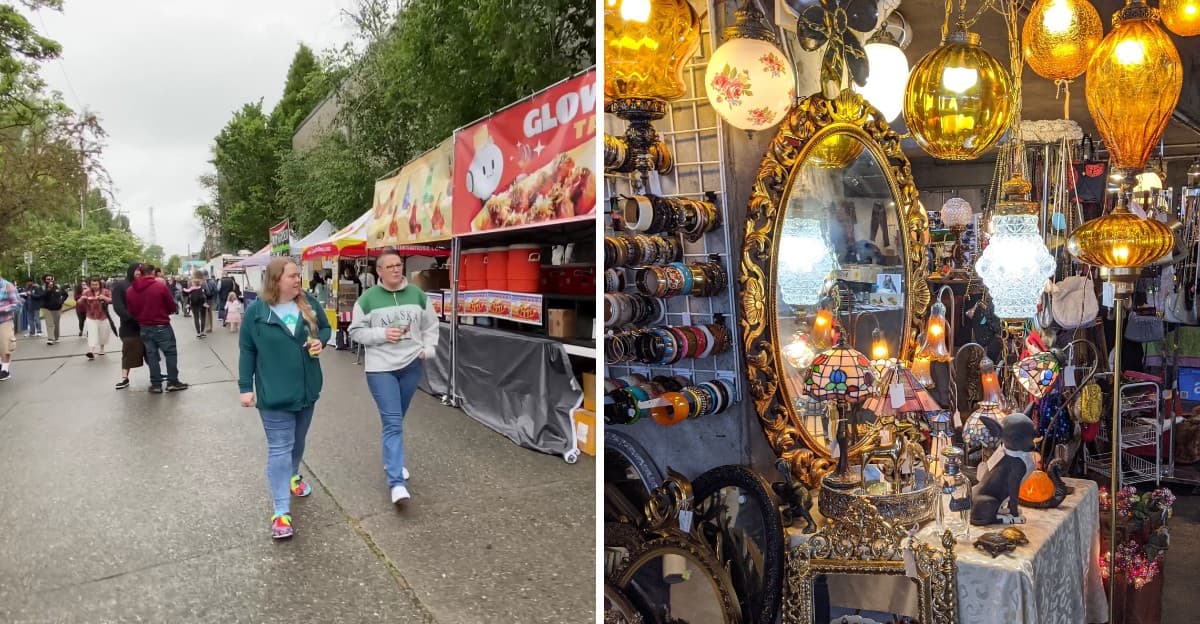
Bargain shopping reimagined.
Modern Outlet Malls Redefine Bargain Shopping with Unique Designs and Destination Experiences
Anonymous

Key Points
1
At The Outlets at Wind Creek, the design explicitly “respects the industrial heritage without turning the space into a theme park version of a factory,” and features a “glass elevator” that doubles as transportation and a view into the shopping action below.
2
Johnson Creek Premium Outlets’ scale is paired with a very specific highway advantage: it sits on Interstate 94 “between Milwaukee and Madison,” making it visible and easy to approach from multiple directions—plus the center is anchored by a “Nike Factory Store.”
3
Chicago Premium Outlets is quantified in the guide as a true “all-day” destination: it spans “more than 688,000 square feet,” has “over 160 stores,” offers retailers such as Coach, Nike, Kate Spade, Polo Ralph Lauren, and Banana Republic Factory, and typically runs “between 25 and 65 percent off” (with seasonal events that push discounts further).
4
Connecticut’s Goodwill “bins” are described with operational specifics beyond “rotating inventory”: the Hamden location is at “2901 State St,” and merchandise “rotate[s] roughly every half hour,” with new items arriving daily from Goodwill retail stores that “did not sell within five weeks.”
5
For Kensington Valley Outlets in Michigan, the advice gets tactical: the guide recommends starting with the directory/map on “kensingtonvalleyoutlets.com,” then “grouping stops by category” and walking “one clean loop” to avoid doubling back on a center “more than 300,000 square feet” large; it also gives the address “1475 N Burkhart Rd, Howell, Michigan 48855.”
Outlet malls are fighting back against the "retail apocalypse" — and winning. Placer.ai data from early 2026 shows open-air and specialty outlet centers grew foot traffic by 5.2% in the first quarter compared to the year before. Leading that charge is The Outlets at Wind Creek in Bethlehem, Pennsylvania, where industrial history meets modern bargain hunting on the bones of a former steel mill.
From a pay-by-the-pound Goodwill scavenger hunt in Connecticut to a 688,000-square-foot shopping city outside Chicago, a new wave of destination-driven outlet centers is pulling shoppers off their couches and onto their feet. The common thread: these aren't just stores. They're places worth going to.
Wind Creek Bethlehem Turns Steel Ruins Into a Shopping Draw
The Outlets at Wind Creek sits on the former Bethlehem Steel site, once the second-largest steel producer in the United States. The mill shut down in October 1995. Today, shoppers ride a glass elevator through a space that, according to Wind Creek Hospitality, "respects the industrial heritage without turning the space into a theme park version of a factory." A spokesperson said the property aims to continue the site's legacy while "looking to the future."
The outlet center first opened in November 2011 with 133,000 square feet of retail. Wind Creek Hospitality — owned by the Poarch Band of Creek Indians — bought the property for $1.3 billion in May 2019. A $160 million expansion completed in September 2024 added a hotel tower with over 550 AAA Four-Diamond rooms. Retail is now one piece of a larger resort, alongside dining concepts like the newly opened Bethlehem Barrel and Drafthouse.
Chicago and Johnson Creek Outlets Win on Scale and Location
Chicago Premium Outlets in Aurora, Illinois, is a true all-day stop. Simon Property Group says it spans more than 688,000 square feet with over 170 stores — including Coach, Nike, Kate Spade, Polo Ralph Lauren, and Banana Republic Factory. It draws over 6 million visitors a year. Discounts typically run between 25% and 65% off retail prices, with seasonal sales pushing savings even higher. The center contributes more than $2.5 million annually in local sales tax revenue.
Johnson Creek Premium Outlets in Wisconsin takes a different angle: location. It sits directly on Interstate 94 between Milwaukee and Madison, turning highway commuters into shoppers. The center is anchored by a Nike Factory Store. Simon COO Mark Silvestri has said successful outlet centers must be "must-shop destinations" that go beyond discounts — and Johnson Creek's highway visibility is a key part of that formula.
Connecticut's Goodwill Bins Flip the Shopping Script
In Hamden, Connecticut, a Goodwill outlet called "the bins" runs on completely different rules. The location at 2901 State St uses a pay-by-the-pound model. Clothing goes for $2.39 per pound. Shoppers stand behind taped lines and wait for a "go" signal before rushing new bins. Merchandise rotates roughly every 30 minutes. According to Thrift Bins Guide, new items arrive daily from Goodwill retail stores — but only goods that didn't sell within five weeks make the cut.
The model has quietly built a professional reseller class. Buyers scour the bins for vintage and designer items, then flip them on online platforms. Goodwill of Southern New England calls it a "sourcing system" built for the growing resale economy. It's fast, cheap, and chaotic — the opposite of a curated outlet experience, but increasingly popular for the same reason: you can get a real deal.
Kensington Valley Outlets Rewards Shoppers Who Come With a Plan
Kensington Valley Outlets in Howell, Michigan, covers more than 304,000 square feet at 1475 N Burkhart Rd. It draws 1.3 million visitors a year, according to Family Destinations Guide. The center uses a colonial-style design with covered walkways — a warmer, more walkable feel than a big-box strip. But its size means wandering without a plan wastes time.
The tactical advice: start with the directory at kensingtonvalleyoutlets.com before arriving. Group stops by category. Then walk one clean loop around the center to avoid doubling back. It's the opposite of the Goodwill bins experience — slow, deliberate, and planned. Both approaches work. The difference is what kind of shopper you are.
Sentiment
Mostly NegativeNEGATIVENEUTRALPOSITIVE
Publishers
16
Articles
6
Reach
22
Topics
A
AnonymousAuthor