Phillies Draft Strategy
Philadelphia Phillies Prioritize College Pitchers, Catchers, and Left-Handers on Day 2 of MLB Draft
Anonymous
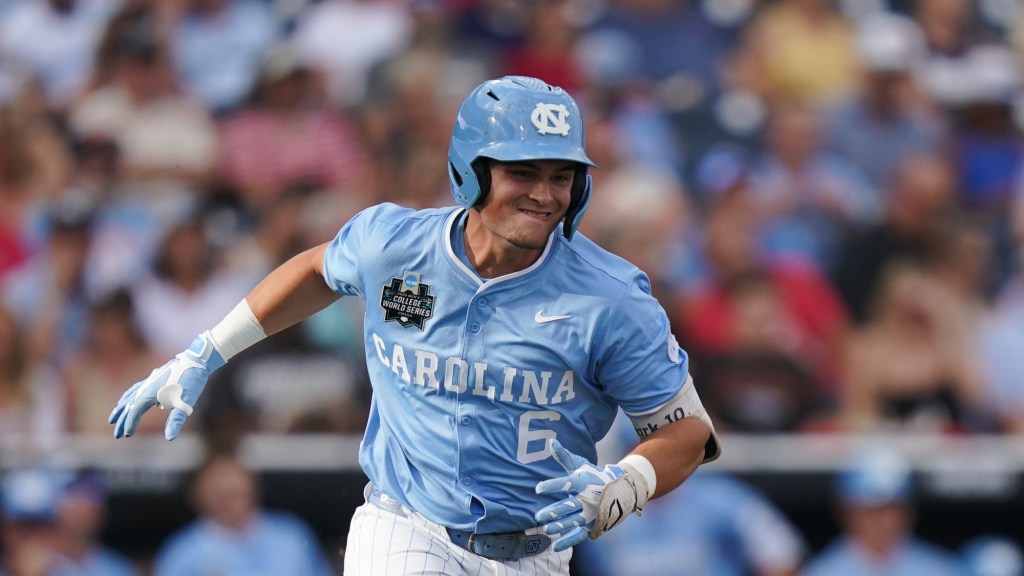
The Philadelphia Phillies loaded up on catchers, left-handed pitchers, and college arms on Day 2 of the MLB Draft, making 16 selections with 14 coming from college programs, according to The Morning Call. The picks came from powerhouse schools including USC, UCLA, Clemson, and North Carolina.
The college-heavy approach was driven in part by necessity. The Phillies hold the league's fifth-smallest signing bonus pool, which limits their ability to lure top high school prospects away from college commitments, Pottstown Mercury reported.
Phillies Target Catchers to Fill a Clear Farm System Gap
Philadelphia made catching a priority after the position showed up as a glaring weakness. According to Daily Local News, the Phillies did not have a single catcher among their top 30 prospects entering the draft. The team addressed that hole directly by taking multiple catchers across the day's selections.
Drafting catchers is a long-term play. Quality catchers typically take several years to develop before reaching the majors. By stocking the system now, Philadelphia is building depth at a position that is both scarce and essential.
Left-Handed Pitchers Get Two Top-10-Round Selections
The Phillies used two of their top-10-round picks on left-handed pitchers, a deliberate move to add southpaw depth to the organization. Delco Times noted that lefty starters and relievers are among the most sought-after commodities in baseball, giving Philadelphia useful trade chips and rotation options down the line.
Left-handed pitching is considered a premium in the majors. Teams pay top dollar for proven lefties. Drafting them early in college gives the Phillies a cost-controlled path to building that depth from within.
Big College Programs Drive Philadelphia's Draft Board
Fourteen of the Phillies' 16 Day 2 picks came from college. The schools represented read like a who's who of elite college baseball — USC, UCLA, Clemson, and North Carolina among them, per The Trentonian. College players typically sign for less than high schoolers with strong college commitments, making them budget-friendly fits for a team with a tight pool.
College pitchers also carry less developmental risk than high schoolers. They have faced advanced competition and are closer to big-league ready. For a Phillies club pushing for a World Series window now, adding near-ready arms to the system makes sense.
Small Bonus Pool Shapes Every Philadelphia Draft Decision
The Phillies' signing bonus pool ranks fifth-smallest in MLB, according to Pottstown Mercury. That cap makes it nearly impossible to outbid rival teams for elite high school prospects who have strong college offers as a safety net. Philadelphia's scouts shifted their focus almost entirely to players who are easier to sign at lower bonuses.
The strategy is not unique to Philadelphia, but few teams lean into it as hard as the Phillies did on Day 2. By targeting college players from top programs, the team gets polished talent at a price that fits within its constraints while still filling real organizational needs.
Sentiment
NeutralNEGATIVENEUTRALPOSITIVE
Publishers
5
Articles
4
Reach
5
A
AnonymousAuthor


