Ancient Ramat Gan discovery.
Ramat Gan archaeologists unearth sophisticated 1,300-year-old industrial hub revealing ancient trade.
Key Points
The complex included industrial installations that produced liquids on a large scale, in addition to large pottery kilns, indicating a more varied production profile than previously noted.
Artifacts broaden the kit of recovered items to include cosmetic implements, iron tools (including pickaxe heads and a sickle), and nails alongside pottery, oil lamps, bronze wares, coins, and glass.
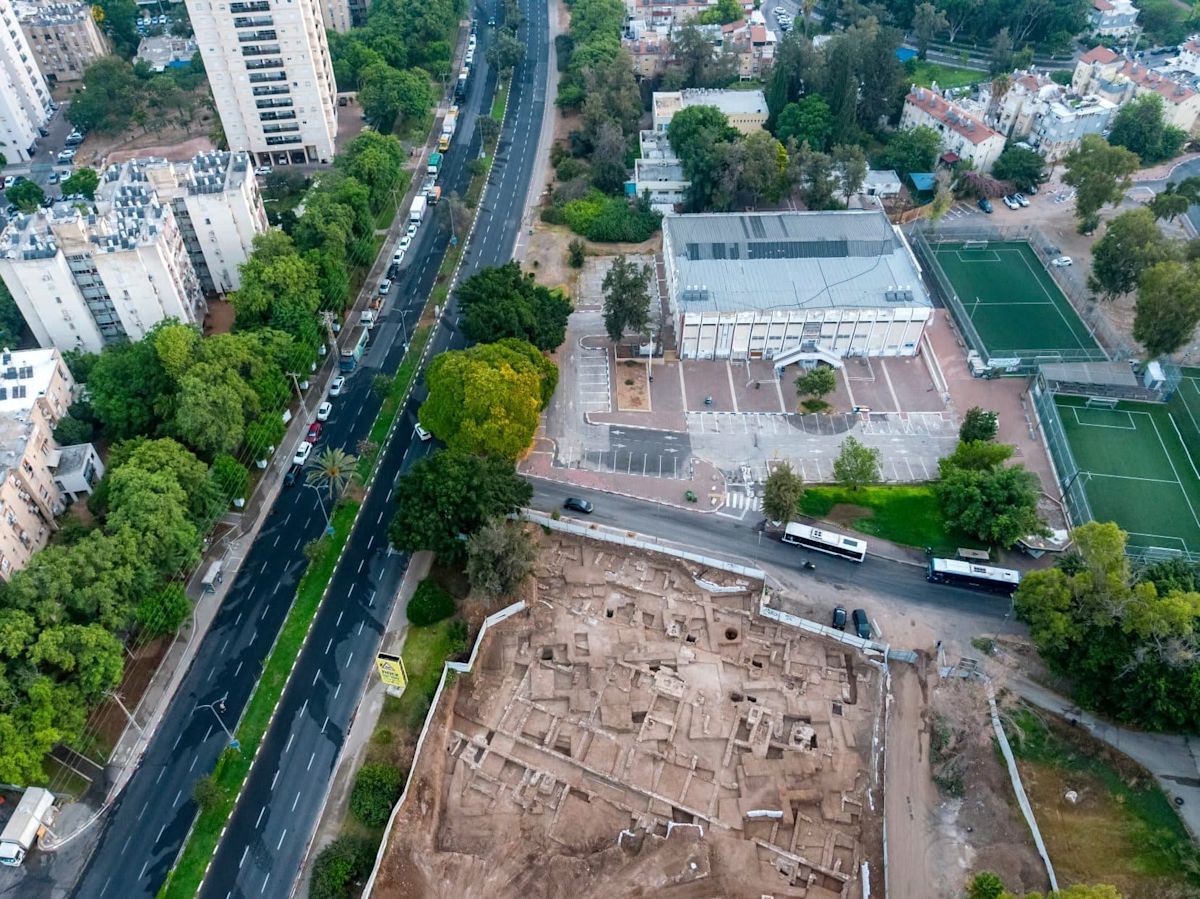
The discovery occurred in the Winter Stadium parking lot in Ramat Gan, during salvage excavations ahead of the construction of a large bus terminal.
Israel’s Minister of Heritage, Rabbi Amichai Eliyahu, characterized the find as evidence of Israel's archaeological wealth and a window onto distant historical periods.
The IAA stated the public will be able to view the site, with access opening on August 19, allowing visitors to see the discoveries firsthand.
Archaeologists in Ramat Gan, Israel, have unearthed a 1,300-year-old industrial and commercial complex beneath the Winter Stadium parking lot. The site, found during salvage excavations ahead of a new bus terminal, dates to the 7th and 8th centuries CE and operated for roughly 150 years before being abandoned, according to Times of Israel.
The Israel Antiquities Authority (IAA) says the complex was a major trade and production hub. It sat along a key road connecting Jaffa, Ramla, and Jerusalem. IAA Directors Dr. Yoav Arbel and Lior Rauchberger said the discoveries far exceeded expectations, according to All Israel News.
Grid Streets and Kilns Signal a Planned Industrial City
The complex was no accident. Excavators found planned, grid-like streets lined with rooms that served as shops or warehouses, according to World Israel News. Large pottery kilns and industrial installations built to produce liquids on a large scale were also found. The layout points to a site that was deliberately designed, possibly funded by regional authorities.
The site dates to the Umayyad and Abbasid periods — two Islamic caliphates that ruled the region between the 7th and 10th centuries. Fatimid-era activity, from the 10th century, was also found on-site. The complex was resettled around the 10th century before a final abandonment in the late 11th century, Times of Israel reported.
Artifacts Paint a Picture of Bustling Medieval Commerce
Diggers pulled up a wide range of artifacts. The haul includes pottery, oil lamps, bronze wares, glass fragments, coins, iron tools, pickaxe heads, a sickle, nails, and cosmetic implements, according to The Jerusalem Post. Each item adds detail to a picture of a busy, working economy that touched both daily life and heavy industry.
Water and farmland were close by. The major trade road linking Jaffa, Ramla, and Jerusalem ran nearby. These factors made the location ideal for a commercial hub. Why the site was ultimately abandoned remains unknown, Yahoo News reported.
Construction Project Triggers Surprise Find Beneath Parking Lot
The discovery came by chance. Workers were preparing the Winter Stadium parking lot in Ramat Gan for a large bus terminal when excavators were called in for a routine salvage dig. What they found was far from routine. "Salvage excavation" means a dig done to check a site before construction disturbs it, according to Times of Israel.
Israel's Minister of Heritage, Rabbi Amichai Eliyahu, called the find evidence of Israel's archaeological wealth and "a window onto distant historical periods," according to All Israel News. The IAA backed that view, saying the site reshapes understanding of medieval commerce and industry in the region.
Public Can Visit the Site Starting August 19
The IAA will open the site to the public on August 19. Visitors will be able to see the excavations firsthand. It is rare for an active dig site to open this quickly after discovery, according to The Jerusalem Post.
The opening underscores the site's significance. Authorities want the public to connect with what archaeologists found — a working city from 1,300 years ago, hidden beneath a parking lot in one of Israel's most modern urban areas, Yahoo News reported.
Sentiment
Mostly NegativePublishers
11
Articles
6
Reach
17


