Romance Scam Warning
Riverside 76-Year-Old Woman Loses Hundreds of Thousands to Romance Scam, Now Faces Eviction
Anonymous
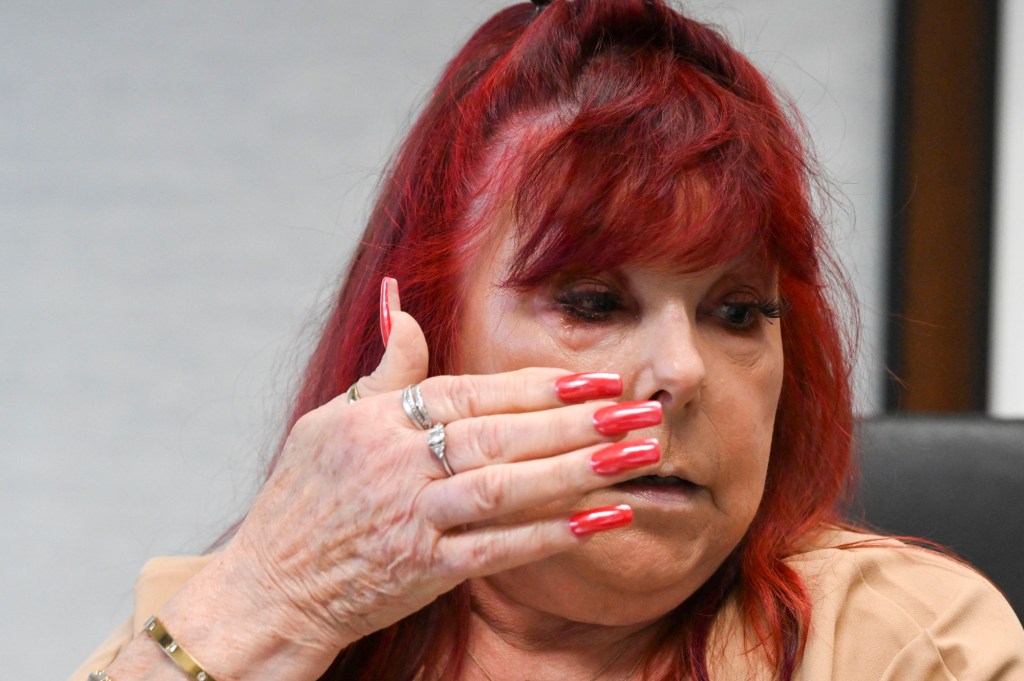
A 76-year-old Riverside, California woman lost her home and more than $425,000 to a romance scammer who posed as an oil rig worker named Dean Ramirez, according to Daily Breeze. Bonita Doose first wired $250,000 from her bank account over two years. Then she sold her house and sent him another $175,000 — leaving her facing eviction.
Authorities say romance scams are the most common financial fraud targeting people 65 and older. Doose's attorney, John E. Tiedt, is speaking out in hopes others will be spared the same fate, Press Enterprise reported.
How a Fake Oil Worker Stole Everything
The man Doose knew as Dean Ramirez claimed to be an oil rig worker sitting on $7 million in the bank, according to OC Register. He built trust with Doose over time before asking for money. She sent him $250,000 in wire transfers across two years — never meeting him in person.
After draining her savings, Ramirez kept going. Doose sold her Riverside home and handed over the proceeds — another $175,000. She is now facing eviction from the property she once owned, Press Telegram reported.
Loneliness Makes Older Adults Easy Targets
Police Detective Robert Olsen said loneliness is a common thread among romance scam victims. He also warned that people share too much personal information online, which gives scammers the details they need to build fake relationships, according to Daily News.
Doose has been described as a 'perfect' victim — a term investigators use to describe someone who is isolated, trusting, and financially stable enough to send large sums. Scammers target these traits on purpose. They spend weeks or months building emotional bonds before ever asking for money.
Romance Scams Are the Top Fraud Against Seniors
Romance scams are now the most common scheme used against Americans age 65 and older, according to Press Enterprise. Scammers often pretend to be professionals working far from home — soldiers, doctors, or oil workers — so they have an excuse never to meet in person.
Victims often send money in stages, believing each payment will be the last. By the time they realize they have been deceived, the money is gone and nearly impossible to recover. Wire transfers, which Doose used, are especially hard to trace or reverse.
Attorney Warns: Share This Story to Protect Others
Doose's attorney, John E. Tiedt, is making her story public as a warning. He hopes that by putting a real face on the crime, other seniors will think twice before wiring money to someone they have never met, Daily Breeze reported.
Experts advise never sending money to someone you met online, no matter how convincing the story sounds. If someone asks for a wire transfer and claims to be stuck overseas, that is a major red flag. Anyone who suspects a scam should contact local police or the FBI's Internet Crime Complaint Center.
Sentiment
NeutralNEGATIVENEUTRALPOSITIVE
Publishers
5
Articles
4
Reach
5
Topics
A
AnonymousAuthor


