Rabies Cases Confirmed in Kansas, New Jersey, South Carolina
Rabies Cases Confirmed in Kansas, New Jersey, South Carolina
Anonymous
Key Points
1
The Wilson County skunk was reported for abnormal behavior on Sept. 16, 2026, and anyone who may have had direct contact with a skunk at or near West Park during the preceding week was instructed to call the county health department at 620-378-4550.
2
South Carolina rabies program manager Terri McCollister said rabies can also be transmitted when infected saliva or neural tissue contacts open wounds or the eyes, nose or mouth, even apart from a bite or scratch; DPH provided an after-hours exposure number, (888) 847-0902, Option 2.
3
The two Pickens County skunks were submitted to the South Carolina Department of Public Health laboratory on Monday and confirmed positive on Tuesday, after the dog encountered them on Friday and Sunday.
4
The New Brunswick skunk is Middlesex County’s fourth animal to test positive for rabies in 2026; it was found near Bartlett and Sicard streets on the Rutgers University campus and was reported positive on Wednesday.
5
New Brunswick Animal Control transported the sick skunk to the New Jersey Department of Health Laboratory for testing, and officials said there were no known human or animal exposures.
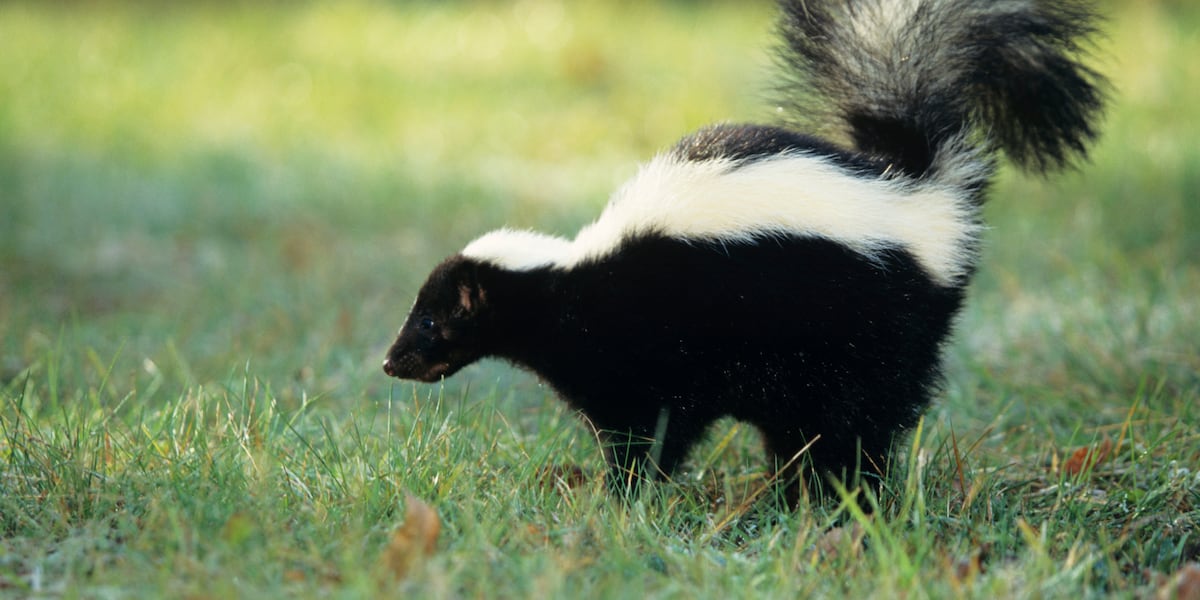
Health officials confirmed rabies in multiple states this week, with cases in Kansas, New Jersey, and South Carolina prompting urgent warnings to residents. KOAM News Now reported that a skunk showing abnormal behavior at West Park near Fredonia tested positive for rabies on September 16, 2026, while nj.com confirmed a rabid skunk near Rutgers University in New Brunswick with no known human or animal contact. South Carolina reported the most exposures: a dog encountered two infected skunks in Pickens County, and people were exposed to rabid animals across three additional counties.
Officials urged residents to avoid wild and stray animals, keep pets' rabies vaccinations current, and report any bites, scratches, or possible saliva contact immediately. South Carolina Department of Public Health emphasized that rabies spreads through infected saliva contacting open wounds or the eyes, nose, and mouth—even without a bite or scratch.
Kansas Skunk Prompts Park Warning
A skunk displaying strange behavior at West Park near Fredonia, Kansas, tested positive for rabies on September 16, according to KWCH. The animal was reported behaving abnormally on Wednesday, and the Wilson County Health Department instructed anyone with direct contact during the preceding week to call 620-378-4550 immediately. No other details about specific exposures were reported.
New Jersey Skunk Found on College Campus
A rabid skunk discovered near Bartlett and Sicard streets on the Rutgers University campus in New Brunswick tested positive for rabies on Wednesday, nj.com reported. The New Brunswick Animal Control transported the sick animal to the New Jersey Department of Health Laboratory for testing. This is Middlesex County's fourth rabies-positive animal in 2026, and officials confirmed no known human or animal exposures occurred.
South Carolina Reports Multiple Exposures Across Counties
South Carolina confirmed the highest number of exposures. Fox Carolina reported that a dog in Pickens County encountered two skunks that tested positive for rabies near Liberty. The skunks were found on Friday and Sunday, submitted for testing on Monday, and confirmed positive on Tuesday. The exposed dog was placed under quarantine to prevent further spread.
Beyond Pickens County, the South Carolina Department of Public Health documented exposures in three additional counties. One person was exposed to a rabid skunk in Anderson County, two people and several pets encountered a rabid stray cat in Horry County, and three people and multiple pets were exposed to a rabid bat in York County. All affected people were referred to health care providers, and animals will be quarantined. The DPH provided an after-hours exposure hotline: (888) 847-0902, Option 2.
How Rabies Spreads and What to Do
Rabies spreads when infected saliva or neural tissue contacts broken skin or the eyes, nose, and mouth—transmission can happen without a bite or scratch, according to South Carolina Department of Public Health program manager Terri McCollister. Residents should avoid all wild and stray animals, report any bites or scratches immediately, and contact animal control or wildlife professionals rather than handling sick or injured animals themselves.
Sentiment
Mostly NegativeNEGATIVENEUTRALPOSITIVE
Publishers
20
Articles
12
Reach
32
A
AnonymousAuthor


